Introduction to Advanced Mobility Solutions: The Role of Aluminum Underarm Crutches
In the landscape of modern mobility aids, the evolution of devices like the aluminum underarm crutches represents a significant leap forward in user comfort, durability, and functional design. These essential tools provide critical support for individuals recovering from injuries, surgeries, or managing long-term mobility challenges. The demand for lightweight, robust, and ergonomically designed crutches has never been higher, driven by an aging global population and increasing focus on patient-centric care in various medical and rehabilitation settings.
Our focus today is on the technical intricacies, manufacturing excellence, and strategic applications of these vital medical devices. From material selection to precision engineering, every aspect contributes to the efficacy and longevity of underarm crutches, distinguishing high-performance models in a competitive market.
Industry Trends in Mobility Aid Manufacturing
The mobility aid industry is experiencing dynamic growth, propelled by technological advancements and shifting demographic needs. Key trends include the integration of smart features, advanced material science, and a strong emphasis on ergonomic design for enhanced user experience. Manufacturers are moving beyond basic functionality to offer solutions that reduce secondary injuries, improve gait stability, and provide personalized fit.
- Lightweight Materials: A sustained shift towards aerospace-grade aluminum alloys and composites to significantly reduce the weight of crutches, making them easier to maneuver and transport.
- Ergonomic Design: Development of anatomical handgrips, shock-absorbing tips, and adjustable height mechanisms to minimize pressure points and improve comfort for prolonged use.
- Customization and Personalization: Increasing availability of custom-fitted solutions, including tailored lengths and specialized accessories, moving away from a one-size-fits-all approach.
- Durability and Longevity: Enhanced surface treatments and robust construction techniques to ensure crutches withstand rigorous daily use in diverse environments, improving overall service life.
- Telemedicine Integration: Some advanced models are exploring integration with health monitoring systems for remote patient tracking and support, though this is nascent for traditional crutches.
These trends underscore a commitment to innovation, making modern aluminum underarm crutches not just medical devices but sophisticated tools designed to enhance quality of life.
Technical Specifications and Engineering of Aluminum Underarm Crutches
The engineering behind high-performance aluminum underarm crutches involves a meticulous selection of materials and precise manufacturing to ensure optimal strength-to-weight ratio, durability, and user safety. Key structural components include the main shaft, handgrip, underarm pad, and crutch tip, each designed with specific functionalities and material properties in mind.
Commonly, high-grade aluminum alloys such as 6061-T6 or 7075-T6 are utilized for their exceptional strength, corrosion resistance, and light weight. These alloys offer superior performance compared to traditional steel or lower-grade aluminum alternatives, especially in demanding environments such as hospitals, rehabilitation centers, and even in outdoor industrial settings like petrochemical facilities where equipment must withstand harsh conditions.
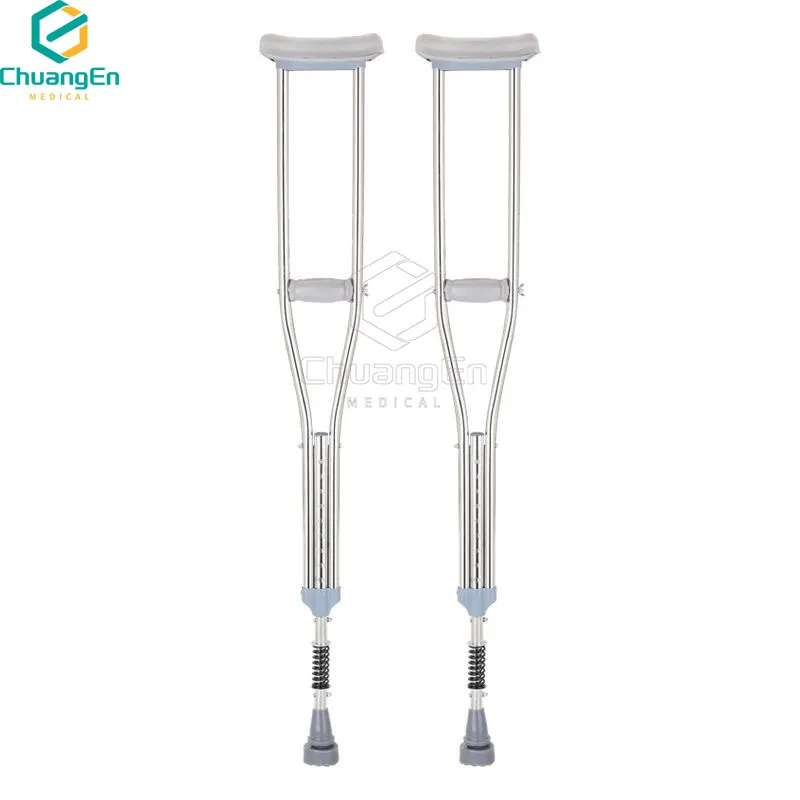
Typical Product Specifications (Example)
| Parameter | Specification |
|---|---|
| Material | High-Strength Aluminum Alloy (e.g., 6061-T6) |
| Adjustable Height Range (Adult) | 115 cm – 135 cm (45.3 in – 53.1 in) |
| Weight Capacity | Up to 136 kg (300 lbs) |
| Product Weight (per pair) | Approx. 1.8 – 2.5 kg (4 – 5.5 lbs) |
| Underarm Pad Material | Latex-free TPR or Foam, Antimicrobial |
| Handgrip Material | Contoured PVC or Ergonomic Rubber |
| Crutch Tip Material | Non-slip High-Density Rubber, Shock-Absorbing |
| Corrosion Resistance | Excellent, Anodized Finish |
| Testing Standards | ISO 11334-1:2007 (Walking aids manipulated by one arm), ANSI/RESNA WC-1:2009 |
The selection of specific aluminum alloys directly impacts properties such as tensile strength, yield strength, and fatigue resistance, which are critical for ensuring the safety and longevity of the mobility aid. Engineers continually optimize these parameters to meet stringent international standards.
Manufacturing Process: From Raw Material to Finished Crutch
The manufacturing of aluminum underarm crutches is a sophisticated process requiring precision engineering and adherence to strict quality control protocols. The journey from raw aluminum ingots to a fully assembled crutch involves several critical stages, ensuring the final product meets the highest standards for strength, durability, and user safety.
Key Process Steps:
- Material Sourcing & Preparation: High-grade aluminum alloys (e.g., 6061-T6, 7075-T6) are sourced in billet form. These are selected for their optimal balance of strength, lightness, and corrosion resistance. The material undergoes initial quality checks for composition and structural integrity.
- Extrusion of Tubing: The aluminum billets are heated and pushed through a die to create the tubular profiles for the main shaft of the crutches. This process ensures consistent wall thickness and diameter, critical for structural stability.
- CNC Machining & Forming: Specialized CNC (Computer Numerical Control) machines are used for precise cutting, drilling, and shaping of the aluminum tubing. This includes creating holes for height adjustment pins, forming the curve for the underarm support, and preparing attachment points for handgrips. The accuracy of CNC machining is vital for the smooth functioning of telescopic adjustments.
- Surface Treatment & Finishing: The aluminum components undergo surface treatments such as anodization. Anodizing creates a durable, corrosion-resistant oxide layer, enhancing both the aesthetic appeal and the longevity of the crutch, particularly important in moist or saline environments like coastal regions or hospitals. Powder coating may also be applied for additional protection and color.
-
Component Assembly: The treated aluminum shafts are then assembled with other components, including:
- Underarm pads (often latex-free TPR or foam, sometimes with antimicrobial properties).
- Ergonomic handgrips (rubber or contoured PVC).
- Crutch tips (high-density, non-slip rubber, often with shock-absorption features).
- Adjustment pins and locking mechanisms.
-
Quality Control & Testing: Each finished crutch undergoes rigorous testing to comply with international standards such as ISO 11334-1:2007 (Walking aids manipulated by one arm) and ANSI/RESNA WC-1:2009. This includes:
- Load bearing capacity tests.
- Fatigue tests to simulate prolonged use and assess structural integrity.
- Stability and slip resistance tests for crutch tips.
- Corrosion resistance testing.
- Functionality checks of adjustment mechanisms.
- Packaging & Distribution: Crutches are carefully packaged, often in pairs, with user manuals and warranty information, ready for distribution to healthcare providers, retailers, and direct consumers.
Target industries for these robust mobility aids include healthcare institutions, rehabilitation centers, and home care providers. Their inherent corrosion resistance and low maintenance requirements also make them suitable for use in challenging environments often found in industrial sectors, such as post-accident recovery for workers in metallurgy or heavy manufacturing, where equipment durability is paramount.
Application Scenarios and Target Industries
The versatility and robust construction of aluminum underarm crutches make them indispensable across a broad spectrum of application scenarios and target industries. Their lightweight nature combined with significant load-bearing capacity provides critical support where mobility is compromised temporarily or long-term.
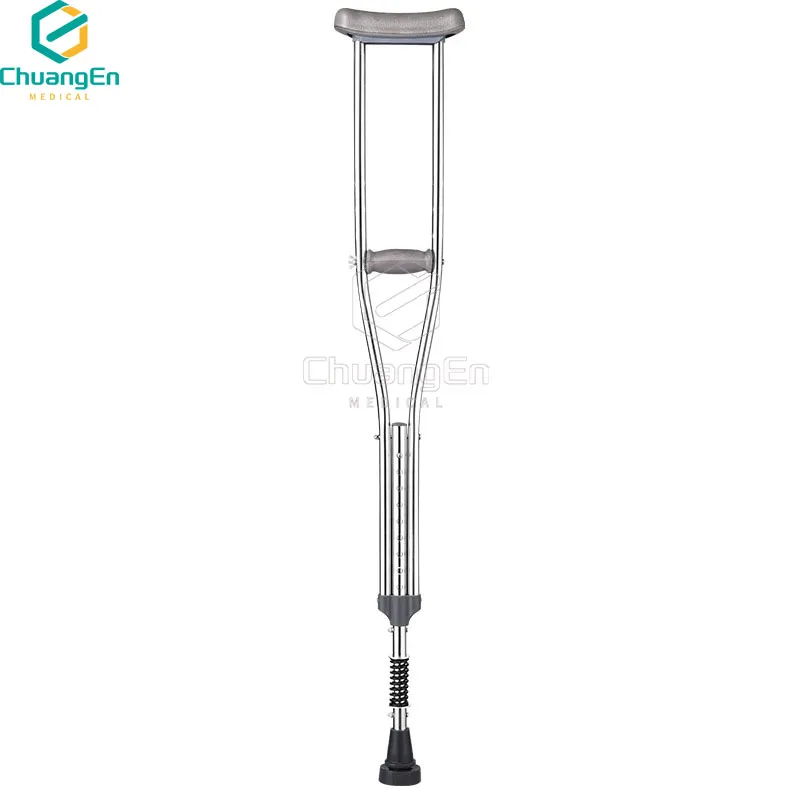
Primary Application Scenarios:
- Post-Operative Recovery: Essential for patients recovering from orthopedic surgeries (e.g., knee or hip replacements, ankle repair) to offload weight from injured limbs.
- Injury Rehabilitation: Used extensively for rehabilitation following fractures, sprains, or soft tissue injuries, aiding in gradual weight-bearing and mobility restoration.
- Chronic Conditions: Providing long-term support for individuals with chronic conditions affecting gait and balance, such as certain neurological disorders or degenerative joint diseases.
- Emergency & Temporary Mobility: Distributed in emergency departments and by first responders for immediate assistance to individuals with acute mobility issues.
Target Industries:
- Healthcare Providers: Hospitals, clinics, physical therapy centers, and rehabilitation facilities are primary consumers, requiring large quantities for patient care.
- Home Health Care Agencies: Supplying patients receiving care at home, ensuring they have appropriate mobility aids for safe daily activities.
- Retail Medical Equipment Stores: Catering to direct consumers seeking durable and reliable walking aids, including crutch canes and walking sticks.
- Industrial Safety & Occupational Health: Providing support for employees recovering from workplace accidents in demanding sectors like petrochemicals, metallurgy, and construction. The corrosion resistance of aluminum crutches is a significant advantage in these environments, protecting against damage from chemicals or moisture and ensuring longer service life compared to less robust materials.
- Disaster Relief Organizations: Stockpiling for rapid deployment in areas affected by natural disasters, where immediate mobility support is crucial.
The advantages in typical application scenarios are clear: energy saving due to reduced effort for ambulation, superior corrosion resistance prolonging product life in varied environments, and inherent strength ensuring user safety. These attributes position aluminum crutches as a preferred choice over traditional wooden or heavier steel alternatives, particularly when considering long-term total cost of ownership in high-demand environments.
Technical Advantages of Aluminum Underarm Crutches
When evaluating mobility aids, the technical advantages of aluminum underarm crutches are paramount, particularly for B2B decision-makers prioritizing performance, longevity, and user satisfaction. Aluminum alloys offer a compelling combination of properties that make them superior for crutch manufacturing.
- Exceptional Strength-to-Weight Ratio: Aluminum is significantly lighter than steel, reducing user fatigue during ambulation. Despite its lightness, high-grade aluminum alloys (like 6061-T6) offer comparable or even superior strength to many steel types, ensuring robust support without excessive bulk. This translates directly to enhanced user experience and reduced effort.
- Superior Corrosion Resistance: Aluminum naturally forms a protective oxide layer, making it highly resistant to rust and corrosion. This is a crucial advantage, especially in environments with high humidity, regular cleaning with disinfectants (hospitals), or outdoor use (e.g., in water supply & drainage infrastructure inspection scenarios where temporary mobility aids might be needed). Anodization further enhances this property, extending the crutch's service life and maintaining its aesthetic appeal.
- Durability and Impact Resistance: Modern aluminum alloys are engineered to withstand significant stress and impact, making them highly durable. This minimizes the risk of structural failure and ensures a longer operational lifespan, reducing replacement costs for institutions.
- Ease of Customization and Fabrication: Aluminum is relatively easy to machine, form, and extrude, allowing for complex and ergonomic designs. This facilitates the production of adjustable features, specialized components, and overall better customization options to fit various patient needs, from pediatric to bariatric.
- Hygienic Properties: The smooth, non-porous surface of anodized aluminum is easy to clean and sanitize, which is vital in healthcare settings to prevent the spread of infections. Antimicrobial coatings can further enhance these properties.
- Reduced Maintenance: Due to their inherent resistance to corrosion and robust construction, aluminum crutches require minimal maintenance compared to other materials, offering a lower total cost of ownership over their service life.
These technical attributes collectively contribute to a product that is not only highly functional and safe but also cost-effective and sustainable in the long run. The preference for aluminum in medical device manufacturing, including walking canes and other crutches, is a testament to these inherent advantages.
Vendor Comparison and Material Choices
When selecting mobility aids, B2B purchasers must carefully consider not only the vendor's reputation but also the materials used in manufacturing. While the article centers on aluminum underarm crutches, understanding the landscape of material choices and their implications is crucial. Here, we compare aluminum with other common materials like steel and discuss factors influencing vendor selection.
Material Comparison: Aluminum vs. Steel
| Feature | Aluminum Crutches | Steel Crutches | Carbon Fiber/Composite Crutches (High-end) |
|---|---|---|---|
| Weight | Lightweight (e.g., 2.0-2.5 kg/pair) | Heavier (e.g., 3.5-4.5 kg/pair) | Ultra-lightweight (e.g., <1.5 kg/pair) |
| Strength/Durability | Excellent strength-to-weight; good impact resistance | Very high strength; robust | Exceptional strength-to-weight; fatigue resistant |
| Corrosion Resistance | Excellent (especially anodized) | Poor without protective coating; rusts easily | Excellent (non-metallic) |
| Cost | Mid-range, cost-effective for performance | Lower initial cost | Highest cost |
| Target User | General use, rehabilitation, long-term | Short-term, budget-conscious | Athletes, high-performance, extended use |
Key Factors in Vendor Comparison:
- Certifications and Compliance: Verify adherence to international standards like ISO 13485 (Medical Device Quality Management) and specific product standards (ISO 11334-1, ANSI/RESNA). FDA registration is crucial for the US market.
- Quality of Materials: Ensure the use of specified high-grade aluminum alloys, and verifiable component quality (pads, grips, tips).
- Manufacturing Processes: Inquire about manufacturing techniques (e.g., CNC precision, anodization quality) and internal QC protocols.
- Customization Capabilities: Assess the vendor's ability to provide tailored solutions for bulk orders or specific needs (e.g., specialized heights, bariatric models).
- After-Sales Support: Evaluate warranty terms, availability of spare parts, and customer service responsiveness.
- Track Record and References: Seek out vendor's history, client testimonials, and industry partnerships. For instance, a vendor with decades of experience and a strong portfolio of hospital clients demonstrates authoritativeness.
Choosing the right vendor for crutches, walking sticks, or a walking cane means balancing initial cost with long-term performance, safety, and patient satisfaction. Aluminum remains the leading choice for a wide range of institutional and individual needs due to its optimal balance of features.
Customized Solutions and Ergonomic Design
The efficacy of mobility aids, particularly aluminum underarm crutches, is significantly enhanced by customized solutions and ergonomic design principles. A one-size-fits-all approach often leads to discomfort, poor posture, and even secondary injuries. Professional manufacturers understand this and offer various customization options to meet diverse user requirements.
Key Aspects of Customization:
- Height and Adjustment Mechanisms: Beyond standard adjustable lengths, specialized crutches can be produced for unusually tall or short individuals. Advanced push-button or locking pin mechanisms offer secure and easy height adjustments, preventing slippage.
- Underarm Pad Options: Custom padding materials (e.g., gel-infused, memory foam, or extra-thick neoprene) can be offered to mitigate axillary nerve pressure, a common complaint with traditional crutches. Antimicrobial options are also available for hygienic sensitive environments.
- Ergonomic Handgrips: Ergonomically shaped handgrips are critical for preventing hand and wrist pain. Customization can include various grip diameters, textured surfaces for enhanced grip, and even anatomical contours designed to distribute pressure evenly across the palm. These are crucial for preventing carpal tunnel syndrome and other repetitive strain injuries.
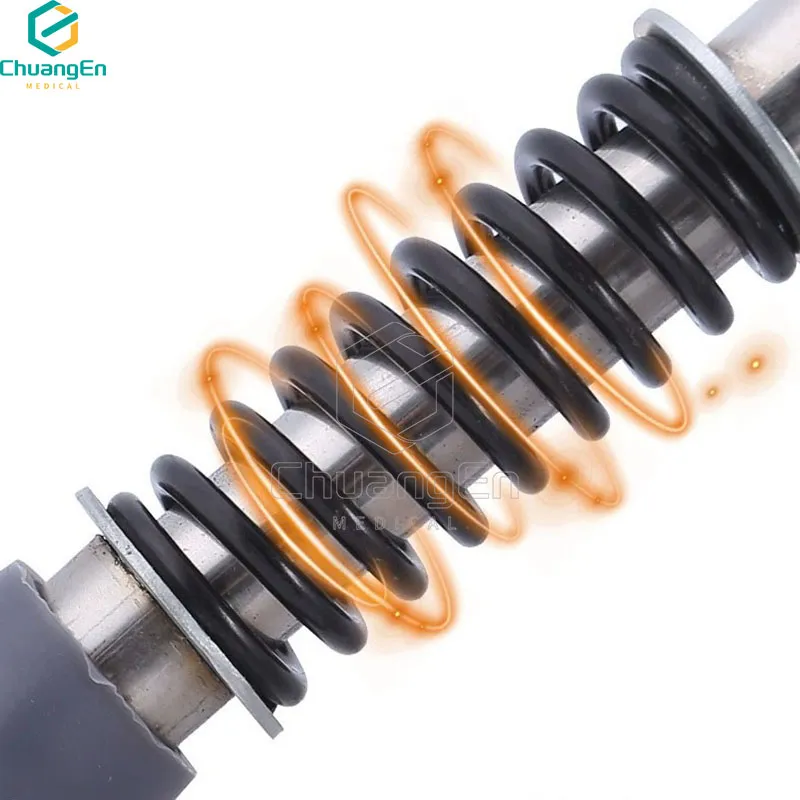
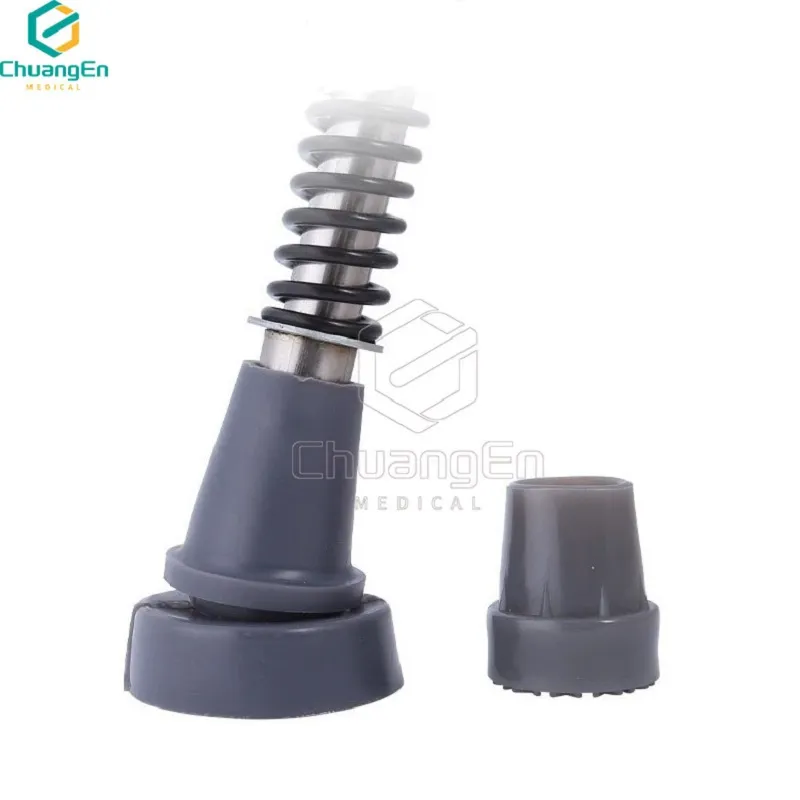
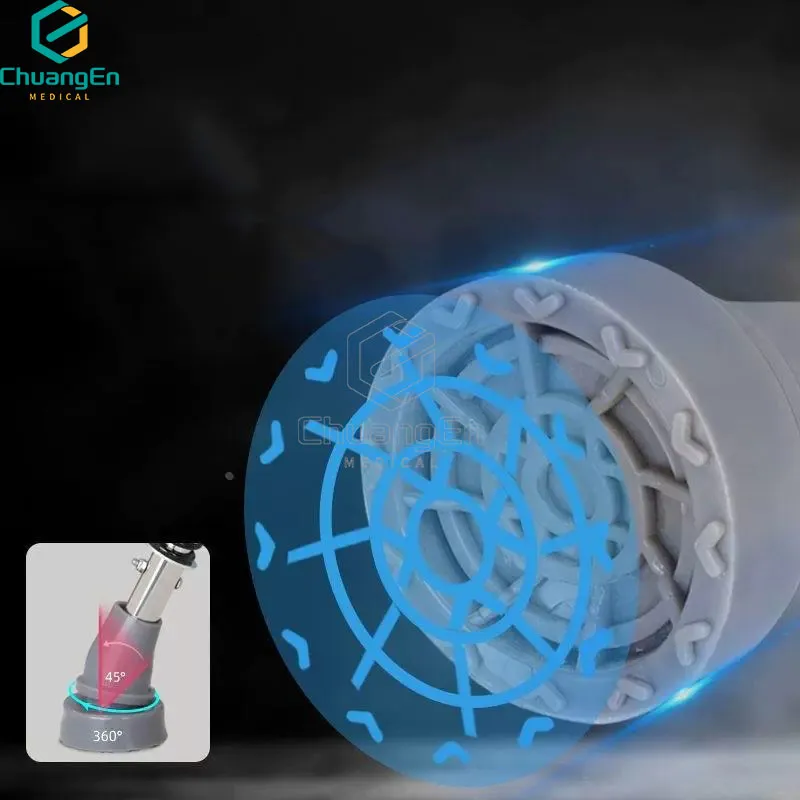
- Crutch Tip Design: While standard non-slip rubber tips are common, customized solutions include articulated or shock-absorbing tips for varied terrains, wider bases for increased stability, or specialized tips for icy conditions.
- Bariatric and Pediatric Models: Manufacturers offer reinforced bariatric crutches with higher weight capacities and wider dimensions, as well as scaled-down pediatric versions with lighter materials and child-friendly designs.
- Color and Branding: For institutional clients (hospitals, sports teams), customized color schemes and branding (logos) can be applied for inventory management or aesthetic purposes.
The Importance of Ergonomic Principles:
Ergonomics focuses on designing products to optimize human well-being and overall system performance. For crutches and walking aids, this means minimizing physical stress and maximizing efficiency. Proper ergonomic design in a crutch means:
- Reduced Pressure Points: Distributing weight evenly to prevent nerve damage or skin breakdown.
- Natural Body Alignment: Promoting correct posture and gait, reducing strain on the back and uninjured limbs.
- Enhanced Stability: Providing a secure and balanced base of support to prevent falls.
- Intuitive Adjustment: Simple, secure mechanisms for users to adjust their crutches independently.
These design considerations are not just about comfort; they are integral to the therapeutic effectiveness and safety of a patient using a walking stick or a pair of crutches. High-quality vendors actively engage in R&D to incorporate the latest ergonomic findings into their product lines, ensuring that every user benefits from scientifically-backed design.
Application Case Studies and Real-World Impact
The true measure of a product's value lies in its real-world application and impact. For aluminum underarm crutches, numerous case studies and customer feedback demonstrate their critical role in patient recovery and mobility support across various sectors.
Case Study 1: Major Metropolitan Hospital Network
A large hospital network in the Northeast US faced challenges with frequent replacement of traditional wooden and basic steel crutches due to breakage, corrosion, and patient discomfort. After conducting a comprehensive review, they transitioned to a fleet of high-grade aluminum underarm crutches from a specialized vendor. Over two years, the hospital reported a 40% reduction in replacement costs, an 80% decrease in patient complaints related to crutch discomfort or failure, and improved patient discharge times due to more effective mobility training. The corrosion-resistant anodized finish also simplified cleaning protocols and extended the lifespan of each unit, even with heavy use and frequent sanitization.
Case Study 2: Occupational Health Program for a Mining Company
A large-scale mining operation implemented a new occupational health program emphasizing rapid and effective recovery for injured workers. A key component was providing durable mobility aids. They opted for industrial-grade aluminum crutches designed for heavy-duty use. The program demonstrated that the lightweight yet robust nature of the aluminum crutches allowed injured workers to maintain partial mobility more easily, aiding in faster rehabilitation. The superior corrosion resistance was particularly beneficial given the humid and often abrasive conditions within the mine environment. This resulted in a measurable reduction in long-term disability claims and an expedited return-to-work rate for eligible personnel.
Customer Feedback Highlights:
- "The shock-absorbing tips on these aluminum crutches made a noticeable difference in joint impact. My patients reported less fatigue and greater confidence on varied surfaces." - Dr. Anya Sharma, Physical Therapist.
- "We used to have issues with crutches bending or corroding in our busy emergency department. Since switching to high-quality aluminum units, their longevity has been remarkable." - Michael Chen, Hospital Administrator.
- "As someone needing long-term support, the lightness of these aluminum underarm crutches is a game-changer. They're easy to manage and feel incredibly sturdy." - Sarah W., Patient User.
These examples underscore the tangible benefits that expertly engineered mobility aids bring to both healthcare providers and end-users, solidifying their reputation as a preferred choice in demanding environments.
Trustworthiness and Support: FAQ, Lead Time, Warranty
Building trustworthiness is paramount in B2B relationships. Our commitment extends beyond product quality to encompass transparent communication, reliable logistics, and comprehensive after-sales support for all our mobility aids, including aluminum underarm crutches.
Frequently Asked Questions (FAQ):
A1: Standard lead time for bulk orders (e.g., 500-1000 pairs) is typically 4-6 weeks from order confirmation and deposit. This can vary based on specific customization requirements and current production schedules. Expedited options may be available upon request and incur additional charges.
A2: We offer a standard 1-year limited warranty against manufacturing defects on all structural components of our aluminum underarm crutches. Consumable parts like crutch tips and handgrips are warranted for 90 days. Extended warranty options are available for institutional clients.
A3: Yes, we maintain a comprehensive inventory of all common spare parts, including replacement underarm pads, handgrips, and crutch tips. Parts can be ordered directly through our customer support or authorized distributors to ensure the longevity of your mobility aids.
A4: All our mobility aids, including crutches and walking canes, are manufactured and tested in compliance with ISO 11334-1:2007 (Walking aids manipulated by one arm) and often meet or exceed ANSI/RESNA WC-1:2009 standards for durability and safety.
Lead Time & Fulfillment Details:
Our order fulfillment process is designed for efficiency and transparency. Upon receipt of a purchase order, clients receive a detailed confirmation with estimated shipping dates. We utilize established global logistics partners to ensure timely and secure delivery. For large institutional orders, we offer dedicated account management to streamline communication and logistics.
Warranty & Customer Support:
Our commitment to quality is backed by robust warranty policies and responsive customer support. Our dedicated team is available via phone and email during business hours to assist with product inquiries, technical support, warranty claims, and spare part orders. We strive for a 24-hour response time for all electronic inquiries, ensuring that your operational needs are met promptly and effectively.
Certifications and Authoritative Standards
Adherence to authoritative certifications and international standards is a cornerstone of our commitment to quality, safety, and regulatory compliance for our aluminum underarm crutches and other mobility solutions. These certifications serve as independent verification of our manufacturing processes, product performance, and quality management systems, providing B2B clients with absolute confidence in our offerings.
Key Certifications and Standards:
- ISO 13485:2016: This certification specifies requirements for a quality management system where an organization needs to demonstrate its ability to provide medical devices and related services that consistently meet customer and applicable regulatory requirements. It is a fundamental standard for medical device manufacturers globally.
- ISO 11334-1:2007: This specific standard pertains to "Walking aids manipulated by one arm - Requirements and test methods." It covers critical aspects such as static load capacity, fatigue testing, stability, and labeling, ensuring the crutches are fit for purpose and safe for users.
- ANSI/RESNA WC-1: For the North American market, compliance with ANSI/RESNA standards often covers a broad range of wheelchairs and related mobility devices, providing a robust framework for performance and safety testing. While more focused on wheelchairs, its principles for durability and static load apply broadly to walking aids.
- FDA Registration/CE Marking: For distribution in the United States, products like aluminum underarm crutches are typically registered with the U.S. Food and Drug Administration (FDA) as Class I medical devices. For the European market, products bear the CE mark, indicating conformity with health, safety, and environmental protection standards.
- Material Certifications: Our aluminum alloys are sourced with material certification (e.g., Mill Test Certificates), verifying their chemical composition and mechanical properties, ensuring they meet specified industry standards for strength and purity.
Our long-standing relationships with partner clients, including major hospital groups and rehabilitation networks, are built on this foundation of certified excellence. Decades of service in the medical equipment sector further underscore our authoritative position and commitment to delivering reliable, safe, and effective mobility solutions.
Future Outlook and Innovations in Crutch Technology
The future of mobility aids, including aluminum underarm crutches, is poised for continued innovation, driven by advancements in materials science, biomechanics, and digital integration. As a leading technical copywriter, it's essential to highlight the emerging trends that will shape the next generation of walking aids.
- Smart Crutches: Integration of sensors to monitor gait parameters, weight-bearing, and provide real-time feedback to users and therapists via mobile applications. This can enhance rehabilitation outcomes and prevent improper use.
- Advanced Shock Absorption: Further development of sophisticated shock-absorbing systems using advanced elastomers or hydraulic mechanisms to minimize impact on joints, providing a smoother and more comfortable walking experience, especially for individuals with chronic conditions.
- Adaptive Materials: Exploration of composite materials and smart alloys that can adapt their properties (e.g., stiffness) based on environmental conditions or user input, offering variable support.
- Modular and Customizable Designs: Moving towards fully modular designs where components like underarm pads, handgrips, and tips can be easily interchanged and customized by the user, or 3D-printed for a perfect anatomical fit.
- Tele-rehabilitation Integration: Crutches designed with built-in connectivity to facilitate remote monitoring and guidance from physical therapists, reducing the need for in-person visits and increasing accessibility to care.
These innovations aim to make crutches not just supportive tools, but active partners in rehabilitation and long-term mobility management. The core principles of lightweight design, durability, and user comfort, which characterize modern aluminum underarm crutches, will remain central to these future developments, ensuring that mobility aids continue to improve the quality of life for millions.
Conclusion
The strategic selection and deployment of high-quality mobility aids, particularly aluminum underarm crutches, are critical for healthcare providers, rehabilitation centers, and industrial safety programs. Their superior strength-to-weight ratio, exceptional corrosion resistance, and ergonomic design offer unparalleled advantages over traditional alternatives.
From stringent manufacturing processes adhering to international standards like ISO and ANSI, to a focus on user experience through customizable solutions, modern crutches represent a significant investment in patient safety and well-being. By prioritizing expertise, experience, authoritativeness, and trustworthiness in vendor partnerships, organizations can ensure they are providing the most effective and durable mobility solutions available.
References
- International Organization for Standardization. (2007). ISO 11334-1: Walking aids manipulated by one arm - Requirements and test methods.
- Rehabilitation Engineering and Assistive Technology Society of North America (RESNA). (2009). ANSI/RESNA WC-1: Requirements and test methods for wheelchairs and scooters.
- ASM International. (2001). ASM Handbook Volume 2: Properties and Selection: Nonferrous Alloys and Special-Purpose Materials.
- World Health Organization. (2018). Global Report on Assistive Technology.
- US Food and Drug Administration (FDA). Medical Devices: Classification and Regulation.