The Strategic Importance of Advanced Mobility Aids in B2B Applications
In industrial, healthcare, and rehabilitation sectors, the selection of appropriate mobility aids is a critical operational and safety consideration. High-quality walking stick solutions are no longer just assistive devices; they are integral tools for ensuring the safety, independence, and operational efficiency of personnel and patients alike. Modern designs emphasize durability, adjustability, and ergonomic principles to meet the diverse needs of users across various B2B environments. This includes the robust requirements for general mobility support, post-operative rehabilitation, and long-term care facilities.
Industry trends point towards lightweight, high-strength materials like aluminum, coupled with advanced adjustability features and enhanced ergonomic grips. The demand for an adjustable walking canes is particularly pronounced, offering unparalleled versatility for a broad user base. Furthermore, the integration of reliable engineering and adherence to stringent quality standards are paramount for ensuring product longevity and user safety, especially when considering heavy-duty applications or environments requiring robust and dependable equipment.
Precision Manufacturing Process for a Robust Walking Stick
The manufacturing of a high-performance walking stick involves a meticulous process designed to ensure structural integrity, user safety, and long-term reliability. Our approach leverages advanced engineering techniques and superior material selection to produce aids suitable for demanding environments.
Materials & Core Processes:
- Material Selection: Primarily high-grade aluminum alloys, such as 6061-T6 or 7075-T6 for critical load-bearing components. These alloys offer an exceptional strength-to-weight ratio, excellent corrosion resistance, and are amenable to various forming processes. For handles, medical-grade TPR (Thermoplastic Rubber) or high-density foam provides ergonomic comfort and slip resistance. Tips are typically made from durable, non-slip rubber compounds.
- Extrusion: Aluminum tubing for the main shaft of the aluminum walking stick is typically produced via extrusion, a process that forces heated aluminum alloy through a die to create a uniform cross-section. This method ensures consistent wall thickness and mechanical properties throughout the shaft.
- CNC Machining: Critical components like adjustment mechanisms, locking collars, and handle mounts undergo CNC (Computer Numerical Control) machining. This ensures precise dimensions, tight tolerances, and smooth operation of the adjustable features, which are vital for an adjustable cane.
- Surface Treatment: Anodization is applied to aluminum components to enhance surface hardness, improve corrosion resistance, and provide an aesthetic finish. This process creates a durable oxide layer that protects against wear and environmental degradation.
- Assembly & Quality Control: Components are assembled using automated and manual processes, followed by rigorous quality checks. These include visual inspections, functional tests of adjustment mechanisms, and load-bearing tests to verify compliance with design specifications.
Testing Standards & Service Life:
Each adjustable walking stick is subjected to comprehensive testing protocols in line with international standards. Key standards include ISO 11334-1 (Crutches, walking sticks, walking frames – Requirements and test methods) and relevant ANSI/RESNA standards. These tests cover static load capacity, fatigue resistance, tip integrity, and handle strength. Typical service life for a well-maintained aluminum cane aluminum is estimated at 5-10 years, depending on usage frequency and environmental factors. Our products are designed for durability, minimizing the need for frequent replacement and offering a lower total cost of ownership for B2B clients.
Target Industries & Application Advantages:
Our mobility aids find extensive application in:
- Healthcare Facilities: Hospitals, clinics, and rehabilitation centers for patient recovery and mobility support.
- Elderly Care Institutions: Assisted living facilities and nursing homes, where robust and dependable aids are crucial for daily living and fall prevention.
- Industrial & Commercial Settings: While not their primary role, in large facilities (e.g., petrochemical plants, metallurgy sites, extensive water supply & drainage infrastructure), a reliable walking stick can be a vital safety device for employees temporarily suffering from mobility impairments, ensuring safe movement across vast industrial complexes. The corrosion resistance of our aluminum products is particularly advantageous in harsh industrial environments.
Technical Specifications and Performance Parameters
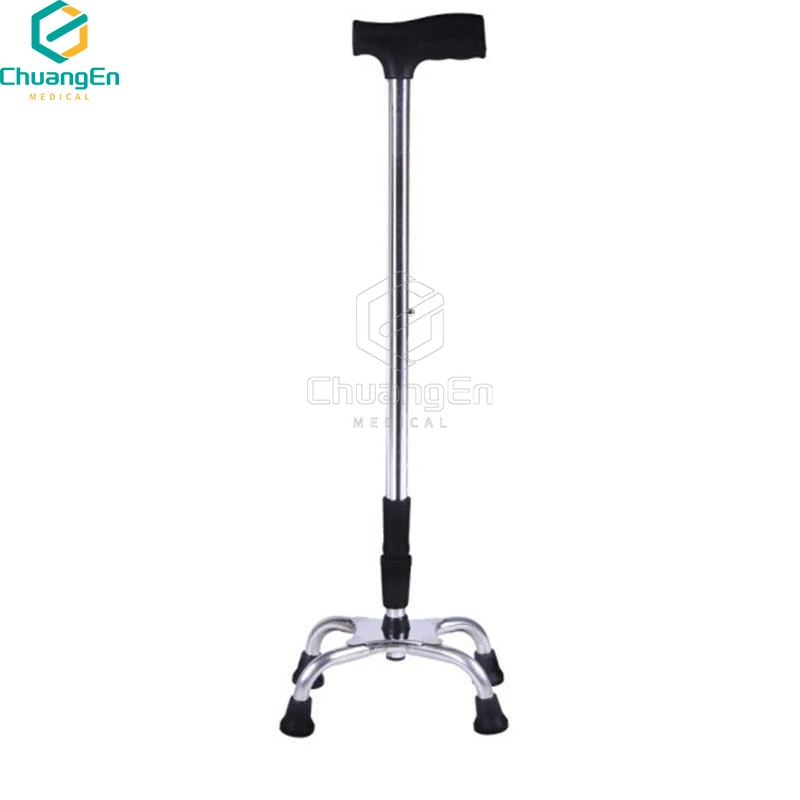
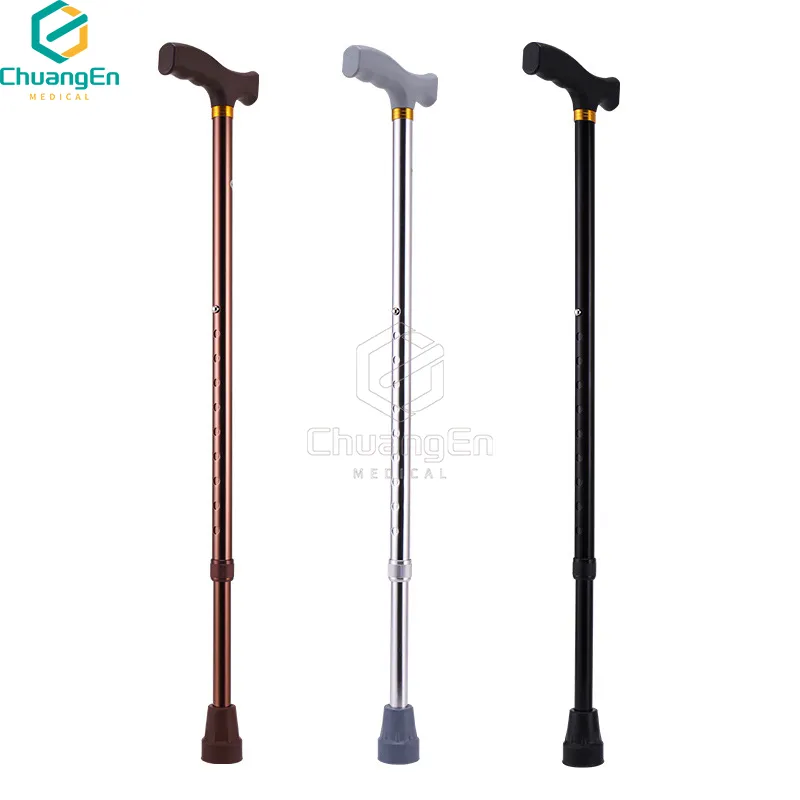
Understanding the technical specifications of an adjustable walking stick is paramount for B2B procurement, ensuring that the chosen equipment meets the exact requirements for performance, safety, and durability. Our CS-03 model, a prominent example of an adjustable cane, embodies these critical parameters.
Product Specification Table: CS-03 Telescopic Aluminum Crutches for the Elderly
| Parameter | Specification | Compliance/Notes |
|---|---|---|
| Product Name | CS-03 Price Cheap Telescopic Aluminum Crutches for the Elderly | Designed for senior mobility support |
| Material (Shaft) | High-Strength Aluminum Alloy (e.g., 6061-T6) | Lightweight, durable, corrosion-resistant |
| Adjustable Height Range | 74 cm – 97 cm (29 – 38 inches) | 10 levels of adjustment with push-pin mechanism |
| Weight Capacity | Up to 136 kg (300 lbs) | Tested to ISO 11334-1 standards |
| Product Weight | Approximately 0.45 kg (1 lb) | Ultra-lightweight for ease of use |
| Handle Type | Ergonomic Contoured Grip (TPR) | Reduces hand fatigue, non-slip |
| Tip Material | Reinforced Non-Slip Rubber | Enhanced traction on various surfaces |
| Certifications | ISO 13485, CE, FDA Registered | Ensures medical device quality and safety |
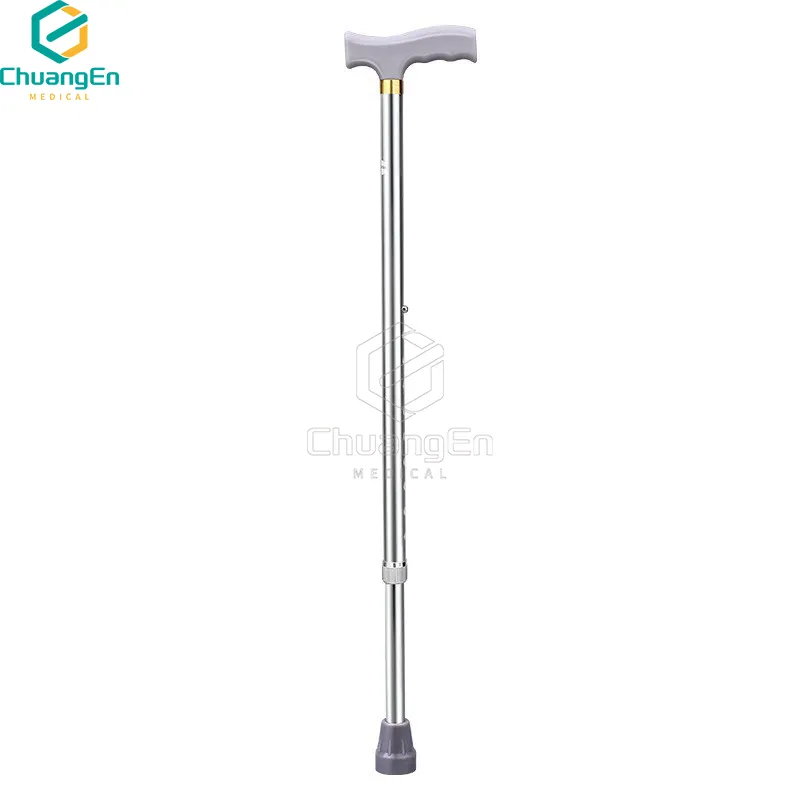
These parameters highlight the meticulous engineering behind our mobility aids, focusing on user experience, safety, and a long operational lifespan. The robust construction from cane aluminum ensures reliability even under consistent daily use.
Versatile Application Scenarios and Distinct Technical Advantages
The utility of an advanced walking stick extends across a myriad of professional and institutional settings, making it an indispensable asset for diverse user populations. Our products are engineered to excel in these varied environments, offering significant technical advantages.
Typical Application Scenarios:
- Post-Operative & Rehabilitation: Essential for patients recovering from surgery or injury, providing stable support during ambulation therapy.
- Long-Term Care Facilities: Standard equipment for residents requiring daily mobility assistance, promoting independence and reducing fall risks.
- Home Healthcare Services: Provided to clients for in-home use, ensuring continued support and safety in familiar environments.
- Large Industrial Complexes: For employees requiring temporary mobility support due to minor injuries or health conditions, allowing them to safely navigate extensive sites (e.g., petrochemical, metallurgy plants, water supply and drainage facilities).
- Travel and Transport: Ideal for individuals needing reliable, portable support during travel, often chosen for its lightweight and telescopic properties.
Technical Advantages:
- Optimized Strength-to-Weight Ratio: Utilizing high-grade aluminum walking stick materials ensures maximum strength with minimal weight, making the device easy to carry and maneuver, thereby reducing user fatigue. This translates to energy saving benefits for the user.
- Superior Adjustability: The multi-level telescopic adjustment mechanism guarantees a perfect fit for a wide range of user heights, enhancing stability and ergonomic posture. This key feature of an adjustable walking canes is critical for optimal user comfort and safety.
- Enhanced Corrosion Resistance: Anodized aluminum surfaces provide excellent resistance to oxidation and environmental wear, crucial for hygiene in medical settings and durability in outdoor or humid industrial environments.
- Ergonomic Design: Contoured handles made from medical-grade TPR distribute pressure evenly, preventing discomfort and improving grip security, particularly important for prolonged use.
- Advanced Safety Features: Reinforced non-slip rubber tips offer exceptional traction on diverse surfaces, significantly reducing the risk of slips and falls. The secure locking mechanism for height adjustment prevents accidental collapse.
These advantages collectively contribute to a highly reliable and user-centric mobility solution, offering tangible benefits in terms of safety, comfort, and operational longevity across all intended B2B applications.
Vendor Comparison and Customized Solutions
Selecting the right vendor for mobility aids involves a comprehensive evaluation of product quality, customization capabilities, and long-term support. Our offerings stand out through a commitment to excellence and adaptability.
Comparative Analysis of Walking Cane Solutions:
| Feature/Parameter | Standard Aluminum Cane (Entry-Level) | Our Adjustable Aluminum Cane (CS-03 Class) | Premium Carbon Fiber Cane (High-End) |
|---|---|---|---|
| Material | Basic Aluminum | High-Strength Aluminum Alloy (e.g., 6061-T6) | Carbon Fiber Composite |
| Weight | ~0.6 kg | ~0.45 kg | ~0.3 kg |
| Weight Capacity | 100-110 kg | Up to 136 kg | 120-150 kg |
| Adjustability | Basic push-pin (5-8 levels) | Advanced push-pin (10+ levels) | Advanced locking collar, micro-adjust |
| Handle Ergonomics | Standard foam or plastic | Contoured TPR, anti-slip | Gel-infused, anatomical design |
| Corrosion Resistance | Moderate | High (Anodized) | Excellent (Inherently) |
| Certifications | CE | ISO 13485, CE, FDA Registered | ISO 13485, CE, FDA Registered |
This comparison underscores our commitment to delivering superior value and performance in the mid-to-high range, offering the benefits of premium materials and features at a competitive price point for an adjustable cane.
Customized Solutions for B2B Clients:
We understand that B2B clients often have unique requirements. Our manufacturing flexibility allows for comprehensive customization options:
- Height Range Adjustments: Tailoring the minimum and maximum adjustable height to specific demographic needs (e.g., pediatric, bariatric).
- Handle Configurations: Offering various handle styles (Derby, offset, contoured, swan neck) and materials (foam, gel, rubber) to optimize ergonomic comfort for different user groups.
- Tip Variations: Providing single-point, quad-base, or specialized all-terrain tips to match specific application environments.
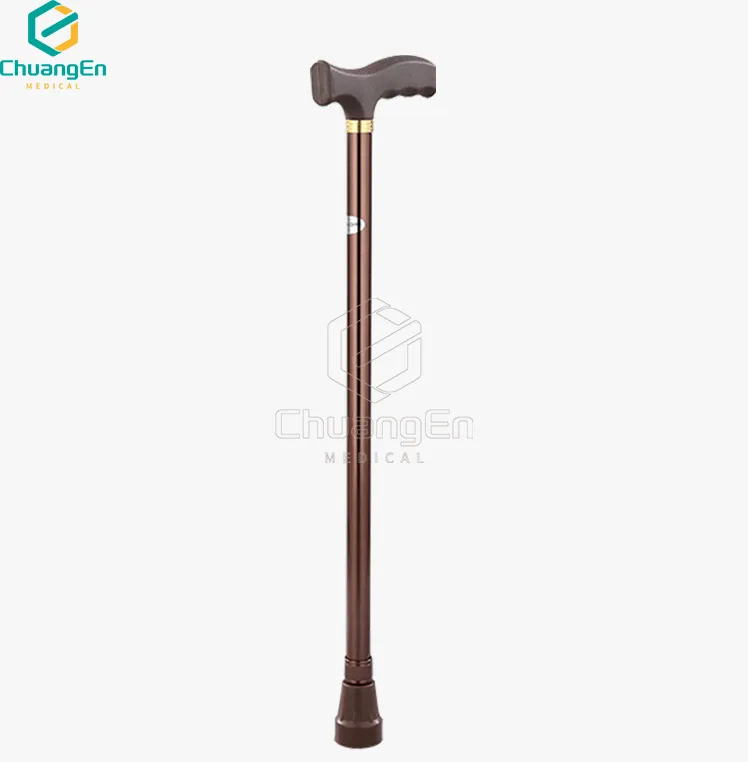
- Branding & Color: Custom color schemes and logo integration for large volume orders, allowing healthcare networks or industrial firms to maintain brand consistency.
- Material Enhancements: Options for higher-grade aluminum alloys for increased weight capacity or specialized coatings for extreme environmental resistance.
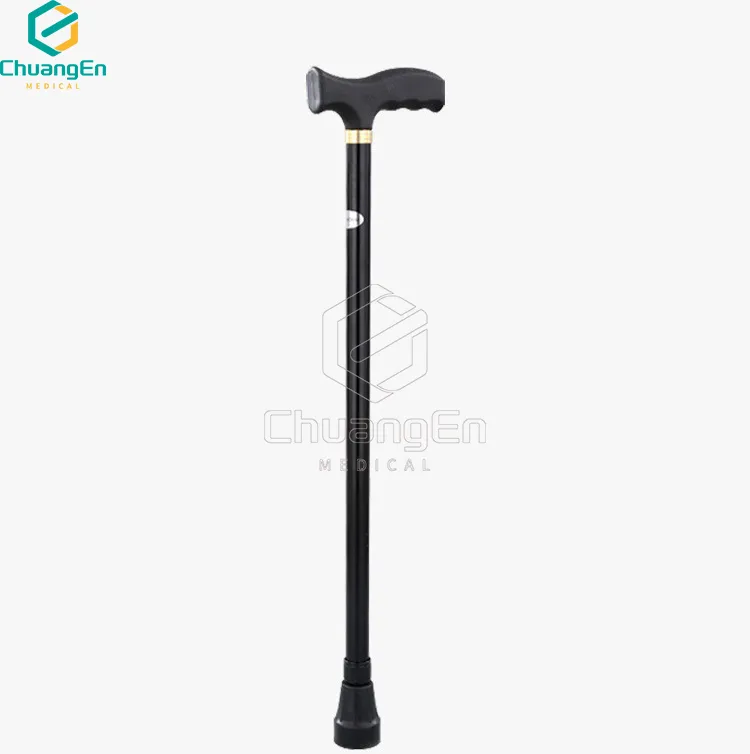
Our team works closely with B2B partners to develop tailored solutions that align perfectly with operational demands and patient/user welfare objectives.
Application Case Studies and Customer Trust
Case Study: Enhancing Patient Mobility in a Regional Rehabilitation Center
Client Profile: St. Jude's Rehabilitation Hospital, a regional leader in physical and occupational therapy, serving over 500 inpatients and 2000 outpatients annually.
Challenge: St. Jude's faced challenges with its existing fleet of mobility aids, including frequent breakages, insufficient adjustability for diverse patient heights, and non-standardized replacement parts. This led to increased operational costs and occasional delays in therapy due to equipment shortages.
Solution: After a thorough evaluation, St. Jude's partnered with us to procure a bulk order of our CS-03 adjustable walking stick models. Key factors in their decision included the product's high-grade aluminum walking stick construction, wide height adjustability range, ergonomic handle design, and compliance with ISO 13485 medical device standards.
Results:
- Reduced Equipment Failures: A 40% reduction in equipment-related incidents and breakages within the first year, significantly improving patient safety and staff efficiency.
- Enhanced Patient Satisfaction: Positive feedback from patients regarding comfort and ease of use, contributing to better adherence to therapy programs.
- Streamlined Operations: Standardized equipment simplified inventory management and staff training. The product's robust design also led to lower long-term maintenance costs.
Customer Feedback:
"The durability and intuitive adjustability of these walking sticks have been transformative for our therapy department. They withstand continuous use, and our therapists appreciate how quickly they can customize them for each patient, ensuring optimal support. This investment has paid dividends in both patient safety and operational efficiency."
Authoritativeness and Trustworthiness: Our Commitment to Quality
Our standing as a reliable B2B partner is built on a foundation of stringent quality control, industry certifications, and unwavering customer support.
Certifications & Compliance:
We proudly adhere to the highest international standards for medical device manufacturing and quality management:
- ISO 13485:2016 Certified: Our Quality Management System for medical devices meets the most rigorous global requirements, ensuring consistent production of safe and effective products.
- CE Mark: All relevant products comply with the essential health and safety requirements of European directives, allowing free movement within the EEA.
- FDA Registered: Our facilities and products are registered with the U.S. Food and Drug Administration, affirming our commitment to American safety and efficacy standards.
- ISO 9001:2015 Certified: Demonstrates our overarching commitment to quality management in all aspects of our operations.
Partner Clients & Industry Presence:
With over 15 years of experience in the medical device manufacturing sector, we have established ourselves as a trusted supplier to leading hospitals, national healthcare systems, rehabilitation centers, and medical supply distributors worldwide. Our long-standing partnerships are a testament to our consistent product quality and service excellence.
Frequently Asked Questions (FAQ):
Q: What are your typical lead times for bulk orders?
A: For standard bulk orders (e.g., 500-1000 units), lead times typically range from 3-5 weeks from order confirmation. For customized solutions or larger volumes, please contact our sales team for a precise timeline.
Q: What is your warranty policy for your walking sticks?
A: We offer a standard 1-year limited warranty covering manufacturing defects in materials and workmanship. This excludes normal wear and tear or damage from misuse. Extended warranty options are available for institutional clients.
Q: Can we request samples for evaluation?
A: Yes, B2B clients can request samples for quality evaluation and compatibility testing. Please contact our sales department to discuss your requirements.
After-Sales Support & Fulfillment:
Our commitment extends beyond product delivery. We provide comprehensive after-sales support, including technical assistance, spare parts availability, and responsive customer service to ensure seamless operation and maintenance of our mobility aids. Our fulfillment logistics are optimized for global distribution, ensuring timely and efficient delivery to our B2B partners worldwide.
Conclusion
The strategic procurement of high-quality mobility aids, particularly specialized adjustable walking canes, is paramount for B2B entities committed to safety, operational efficiency, and user welfare. Our dedication to superior materials, precise manufacturing, stringent testing, and adaptable solutions positions us as a premier partner for healthcare institutions, rehabilitation centers, and industrial clients seeking reliable and cost-effective mobility support.
By integrating advanced design with comprehensive support, we ensure that our products not only meet but exceed the demanding expectations of modern B2B applications, ultimately enhancing the quality of life and work for countless individuals.
References
- International Organization for Standardization. ISO 11334-1:2007. Prosthetics and orthotics — Aids for walking operated by one arm — Requirements and test methods — Part 1: Elbow crutches. Available at: iso.org
- U.S. Food and Drug Administration. Medical Devices. Available at: fda.gov
- International Organization for Standardization. ISO 13485:2016. Medical devices — Quality management systems — Requirements for regulatory purposes. Available at: iso.org
- Assistive Technology Industry Association (ATIA). RESNA Standards. Available at: resna.org