Understanding Dual Control Electric Wheelchairs: A Game-Changer for Mobility
Mobility solutions have evolved tremendously over the past decades, and one innovation that’s quietly reshaping accessible transportation is the dual control electric wheelchair. But why does this matter globally? Simply put, these wheelchairs offer a hybrid of autonomy and control, ensuring safety and convenience not just for the user but also for caregivers or medical personnel. Understanding these devices helps us appreciate how technology can blend empowerment with safety — a fine balance that’s crucial as populations age and disability rights strengthen worldwide.
Global Context: Why Dual Control Electric Wheelchairs Matter Today
According to the World Health Organization, over 1 billion people worldwide experience some form of disability, and mobility impairments rank among the most common limitations. The United Nations Convention on the Rights of Persons with Disabilities emphasizes accessible, inclusive transportation as a critical goal for social equity. Yet, safety remains a challenge. Enter the dual control electric wheelchair, designed to offer users independence while giving caregivers an emergency override or assisted driving option.
In many regions — from developed urban centers to remote rural villages — these wheelchairs are bridging gaps in healthcare and community participation. And with demographic shifts pointing to aging populations, demand is only expected to rise. Oddly enough, the technology feels both futuristic and immediately practical.
What Exactly Is a Dual Control Electric Wheelchair?
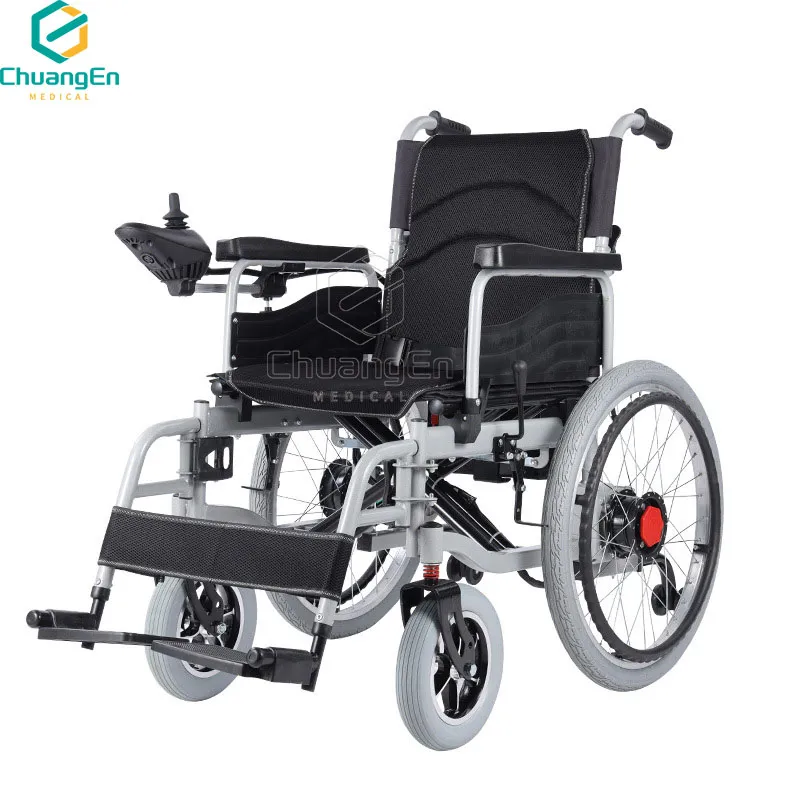
Put simply, a dual control electric wheelchair is a powered mobility device equipped with two independent control systems: one operated by the user and another accessible to a caregiver or attendant. This can mean remote control capabilities or a second joystick control, allowing external intervention if required.
This setup is crucial in environments where the user might have limited motor control at times or needs assistance navigating tricky terrain. It’s also invaluable in clinical or emergency contexts. As mobility aids evolve, these hybrid control systems represent a thoughtful synergy between autonomy and safety—something many users and healthcare providers appreciate.
Core Components of Dual Control Electric Wheelchairs
- Control Interface Flexibility: Multiple user interfaces allow seamless switchovers, such as joysticks, sip-and-puff controls, or remote modules, accommodating various physical needs.
- Battery & Power Management: Reliable long-life lithium-ion batteries with quick charging minimize downtime and enhance user confidence.
- Durability & Frame Design: Lightweight yet rugged aluminum or composite frames that balance portability and endurance.
- Safety Features: Includes emergency stop buttons, speed limiters, and anti-tip systems to ensure secure operation under both user and caregiver control.
- Connectivity & Smart Sensors: Emerging models integrate Bluetooth or IoT-enabled sensors, enabling status monitoring or predictive maintenance alerts.
Each of these factors plays a role not just in daily use but in broader adoption—durability assures the device lasts, while control flexibility makes it adaptable to diverse user requirements.
Global Applications & Use Cases
These versatile wheelchairs find homes around the world:
- Healthcare Facilities: Hospitals and rehabilitation centers use them to aid both patients in recovery and the staff who assist them.
- Post-Disaster Relief: In locations with damaged infrastructure, such as after earthquakes or hurricanes, they provide reliable mobility when public transportation is down.
- Home Care: Many users regain mobility independence thanks to the dual control option that reassures both families and therapists alike.
- Industrial Settings: In large warehouses or factories, workers with mobility impairments navigate safely with dual control oversight.
Take, for instance, a recent case in rural Japan, where aging populations struggle with hilly terrain — the dual control electric wheelchair allowed caregivers to assist users on steep gradients safely, transforming everyday mobility challenges into manageable tasks.
Advantages & Long-Term Value
From a practical standpoint, these wheelchairs reduce caregiver strain, lower the risk of accidents, and extend user independence. The cost efficiency emerges over time with fewer emergency interventions and maintenance downtime. Plus, they promote dignity — an often overlooked but deeply important factor — empowering users without written-off vulnerability.
On an emotional level, families feel reassured knowing assistance is at hand, while users experience the pride of controlling their mobility to the extent possible. So, it’s not just a product; it’s a bridge to enhanced quality of life.
Dual Control Electric Wheelchair Product Specification
| Specification | Details |
|---|---|
| Control Modes | User joystick + Caregiver remote control / backup joystick |
| Max Speed | 6 - 8 km/h (adjustable) |
| Battery Life | 20 - 25 km per charge |
| Weight Capacity | 100 - 150 kg |
| Frame Material | Aluminum alloy / carbon fiber options |
| Additional Features | Anti-tip, automatic braking, IoT compatibility |
Vendor Comparison: Leading Dual Control Electric Wheelchair Providers
| Feature | Vendor A | Vendor B | Vendor C |
|---|---|---|---|
| Control Options | Joystick + Remote | Joystick + Backup Joystick | Joystick + Smartphone App |
| Battery Life | 22 km | 25 km | 20 km |
| Price Range | $3,000 - $3,500 | $3,500 - $4,000 | $2,800 - $3,200 |
| Warranty | 2 years | 3 years | 1 year |
| Additional Services | On-site training | Remote support & updates | Custom seat fitting |
Future Trends & Innovations in Dual Control Electric Wheelchairs
Healthcare technology marches on, and with it, we expect to see several exciting developments:
- Green Energy Integration: Solar-charging stations and environmentally friendly materials will reduce carbon footprints.
- AI & Automation: Predictive obstacle avoidance and adaptive speed control will improve safety autonomously.
- Customization & 3D Printing: Tailored ergonomic parts and seats manufactured quickly to exact user requirements.
- Expanded Connectivity: Integration with health monitoring systems and emergency alert services through IoT.
These innovations ensure the dual control electric wheelchair will not only remain relevant but become essential in future mobility ecosystems.
Common Challenges and Practical Solutions
That said, challenges persist. Battery life can vary drastically in colder climates, controls may not always translate smoothly to all users’ needs, and costs can be prohibitive in low-income regions. There’s also the hurdle of maintenance infrastructure — rural users often struggle with access to repair services.
Experts suggest modular designs to simplify repairs, scalable pricing models, and localized training programs for caregivers. Community engagement in design phases also helps ensure practicality. Frankly, meeting these challenges requires collaboration across manufacturers, health systems, and governments.
FAQ: Your Questions About Dual Control Electric Wheelchairs
- How does dual control improve safety for electric wheelchair users?
- Dual control enables a caregiver to override or assist the user’s driving, preventing accidents in situations like sudden health issues or difficult terrain. This dual-layer approach enhances safety while maintaining user autonomy.
- Are these wheelchairs suitable for outdoor use?
- Many dual control models are designed with rugged frames and stable wheels to handle outdoor surfaces such as uneven pavements and gentle slopes. However, specifics depend on the model and manufacturer specifications.
- How long do batteries typically last on a single charge?
- On average, lithium-ion batteries in these wheelchairs provide a range of 20 to 25 kilometers per charge, translating roughly to several hours of typical use. Usage patterns and terrain can affect this.
- Can caregivers control the wheelchair remotely?
- Some dual control electric wheelchairs come with remote control options that caregivers can operate via dedicated devices or smartphone apps for emergency assistance or complete control if needed.
- What are the maintenance requirements for these wheelchairs?
- Routine maintenance usually includes battery checks, tire inflation, brake inspections, and software updates if applicable. Scheduled servicing every six months is recommended for optimal performance.
Conclusion: Embracing Mobility with Confidence
Dual control electric wheelchairs offer a meaningful leap forward in mobility solutions — blending independence and safety for users across the globe. Their long-term benefits span practical, emotional, and social dimensions, promoting inclusion and dignity.
As technology advances and adoption grows, they will undoubtedly become staples in healthcare and everyday life.
If you’re considering a dual control electric wheelchair or want to learn more, visit our website for a range of options tailored to diverse needs. Healthier, safer mobility is just a click away.
Reflection: It’s fascinating to see how inclusive technology like this quietly empowers millions without fanfare, shifting from niche assistive devices towards mainstream mobility tools. A good reminder that progress often comes in small but impactful steps.