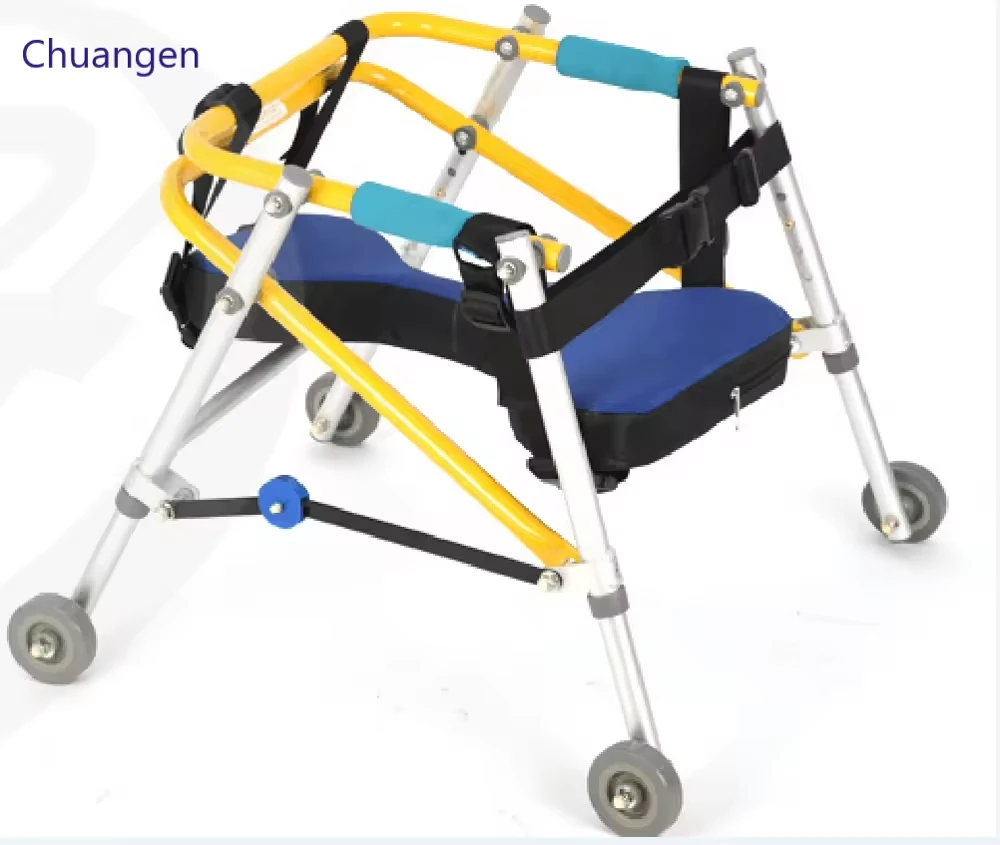
Industry Trends in Advanced Mobility Aids and Rehabilitation Devices
The global landscape of mobility aids is experiencing a significant transformation, driven by an aging demographic, the increasing prevalence of orthopedic conditions, and a heightened focus on post-operative rehabilitation. Industry analysis indicates a compound annual growth rate (CAGR) of over 6% for the global mobility aids market, projected to reach approximately $15 billion by 2027. This growth is underpinned by advancements in material science, ergonomic design, and manufacturing precision, which collectively aim to enhance patient independence and improve recovery outcomes. End-users, ranging from healthcare institutions to individual consumers, are increasingly demanding solutions that offer an optimal balance of strength, lightweight construction, durability, and user comfort.
Key trends include the integration of smart technologies for gait analysis, the development of eco-friendly and recyclable materials, and a strong emphasis on customizable devices. Lightweight solutions, such as those made from high-grade aluminum alloys, are becoming paramount. These innovations are not merely about supporting movement; they are about restoring dignity, fostering faster rehabilitation, and preventing secondary complications associated with prolonged immobility. As the market matures, the differentiation among products like advanced aluminum underarm crutches, traditional crutches, and crutch canes is increasingly defined by their technical specifications, adherence to international standards, and their demonstrable impact on patient recovery and quality of life.
The Advanced Manufacturing Process of Aluminum Underarm Crutches
The production of high-performance aluminum underarm crutches is a sophisticated process that demands precision engineering and rigorous quality control. It encompasses several critical stages, ensuring the final product meets stringent medical device standards for safety, durability, and ergonomic effectiveness.
1. Material Selection
The foundation of superior aluminum underarm crutches lies in the selection of high-grade aerospace-standard aluminum alloys, typically 6061-T6 or 7075-T6. These alloys are chosen for their exceptional strength-to-weight ratio, excellent corrosion resistance, and fatigue strength. For contact points, medical-grade plastics like Thermoplastic Rubber (TPR) and Polyvinyl Chloride (PVC) are employed for underarm pads, handgrips, and ferrules, ensuring user comfort, non-slip properties, and hypoallergenic characteristics.
2. Precision Extrusion and Shaping
Aluminum billets are heated and extruded through dies to form the tubular sections of the crutches. This process ensures consistent wall thickness and structural integrity. Following extrusion, advanced CNC (Computer Numerical Control) machining is utilized for precise cutting, drilling, and shaping of components, including the adjustable main shafts and lower leg sections. Bending and forming operations are meticulously controlled to create the ergonomic curves for armrests and integrated supports, optimizing load distribution and user posture.
3. Advanced Joining Techniques
For components requiring permanent attachment, such as specific reinforcement points, high-strength welding techniques like TIG (Tungsten Inert Gas) or MIG (Metal Inert Gas) are employed. These methods ensure robust, clean, and durable joints that can withstand repeated stress cycles without compromising structural integrity. Each weld joint undergoes visual and, where necessary, non-destructive testing to verify its quality.
4. Surface Treatment and Finishing
To enhance corrosion resistance, wear resistance, and aesthetic appeal, the aluminum components undergo an anodizing process. This electrochemical conversion creates a durable, protective oxide layer on the surface, which can also be dyed for various color options. Subsequent finishing processes ensure smooth edges, removing any burrs and preparing the components for final assembly.
5. Assembly and Quality Control
The various components—extruded tubes, machined parts, and plastic accessories—are meticulously assembled. This includes integrating telescopic adjustment mechanisms, securing arm pads and handgrips, and attaching non-slip rubber ferrules. Critical to this stage is comprehensive quality control. Each batch of aluminum underarm crutches undergoes rigorous testing, including load-bearing capacity tests, fatigue cycle tests (simulating prolonged use), and dimensional accuracy checks. Products must comply with international standards such as ISO 13485 (Medical Devices Quality Management System), FDA regulations, CE marking, and ANSI/RESNA WC-02 standards, ensuring peak performance and patient safety.
This meticulous process guarantees a service life typically ranging from 5 to 10 years, depending on usage intensity and maintenance. Target industries for these advanced mobility aids include hospitals, rehabilitation centers, sports medicine clinics, and home healthcare providers. The inherent advantages in typical application scenarios include enhanced energy saving due to reduced effort for users, superior corrosion resistance in diverse environments, and unparalleled structural integrity.
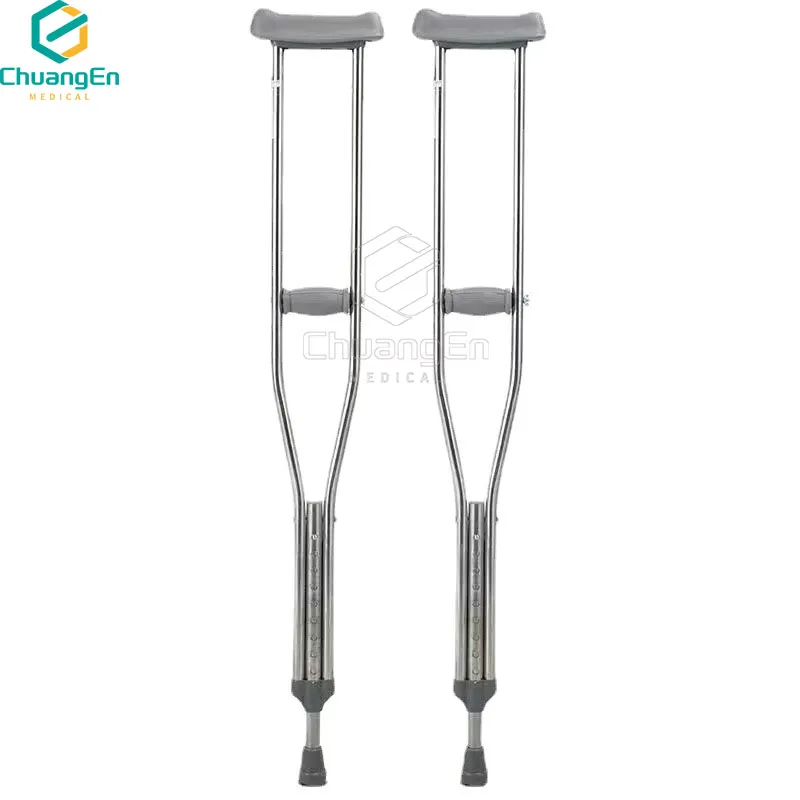
Fig 1: Schematic representation of advanced manufacturing processes for mobility aids.
Technical Specifications and Performance Parameters
The performance of aluminum underarm crutches is quantitatively defined by a set of critical technical specifications. These parameters are crucial for healthcare professionals and procurement specialists in selecting the appropriate device for patient needs and institutional requirements.
Key Product Specifications (Example based on high-quality aluminum crutches)
| Parameter | Specification | Significance |
|---|---|---|
| Material | High-grade 6061-T6 Aluminum Alloy | Optimized strength-to-weight, corrosion resistance. |
| Height Adjustment Range | 115 cm - 145 cm (45 - 57 inches) | Accommodates a broad user height spectrum (e.g., 5'0" to 6'4"). |
| Weight Capacity (Max User Weight) | 136 kg (300 lbs) | Ensures safety and stability for bariatric and standard users. |
| Weight per Crutch | Approximately 0.8 kg (1.75 lbs) | Minimizes user fatigue and enhances maneuverability. |
| Underarm Pad Material | Soft TPR (Thermoplastic Rubber) | Reduces pressure and discomfort, easy to clean. |
| Handgrip Material | Contoured PVC/TPR | Ergonomic support, reduces hand fatigue and blistering. |
| Tip/Ferrule Material | Reinforced Non-slip Rubber | Provides maximum traction and stability on various surfaces. |
| Adjustability Mechanism | Push-button / Spring-loaded pin (Telescopic) | Secure and intuitive height adjustment. |
| Certifications | ISO 13485, CE, FDA (where applicable) | Assurance of quality, safety, and regulatory compliance. |
Understanding these specifications is vital for informed procurement decisions. For instance, the specified weight capacity directly impacts patient safety, especially for heavier individuals. The adjustability range ensures the device can be properly fitted to different users, critical for optimal biomechanics and preventing secondary injuries such as nerve damage from ill-fitting crutches. The material choices for pads and grips directly influence patient comfort and compliance during extended use.
Application Scenarios and Strategic Advantages
The versatility and robust design of modern aluminum underarm crutches make them indispensable across a wide spectrum of medical and rehabilitation settings. Their strategic advantages contribute significantly to patient recovery and operational efficiency in healthcare environments.
Diverse Application Scenarios:
- Post-Surgical Recovery: Essential for patients undergoing orthopedic surgeries (e.g., knee, hip, ankle procedures) requiring non-weight-bearing or partial-weight-bearing ambulation.
- Trauma and Injury Rehabilitation: Supporting individuals recovering from fractures, sprains, or other lower extremity injuries, facilitating safe mobility during the healing process.
- Long-Term Mobility Support: Providing reliable assistance for individuals with chronic conditions or permanent mobility impairments, ensuring continued independence.
- Emergency Medical Services: A standard component in emergency kits for immediate patient stabilization and transport in accident or disaster scenarios.
- Sports Medicine Clinics: Crucial for athletes recovering from sports-related injuries, enabling controlled rehabilitation and early return to activity.
Key Advantages:
- Reduced User Fatigue: The lightweight nature of aluminum significantly reduces the energy expenditure required for ambulation, promoting longer periods of mobility and adherence to rehabilitation protocols. This is a critical factor in patient compliance.
- Enhanced Safety and Stability: High-strength aluminum alloys coupled with robust construction and non-slip rubber ferrules provide superior stability, minimizing the risk of falls—a major concern in patient care.
- Corrosion Resistance and Hygiene: Anodized aluminum is inherently resistant to rust and common cleaning agents, making it ideal for sterile medical environments and ensuring long-term hygiene.
- Durability and Longevity: Engineered to withstand repeated stress and daily use in demanding environments, these devices offer an extended service life, representing a sound investment for healthcare facilities.
- Ergonomic Adjustability: Telescopic designs with easy-to-use push-button adjustments ensure a perfect fit for a wide range of patient heights, optimizing biomechanics and comfort, which is crucial for preventing secondary injuries like brachial plexus neuropathy.
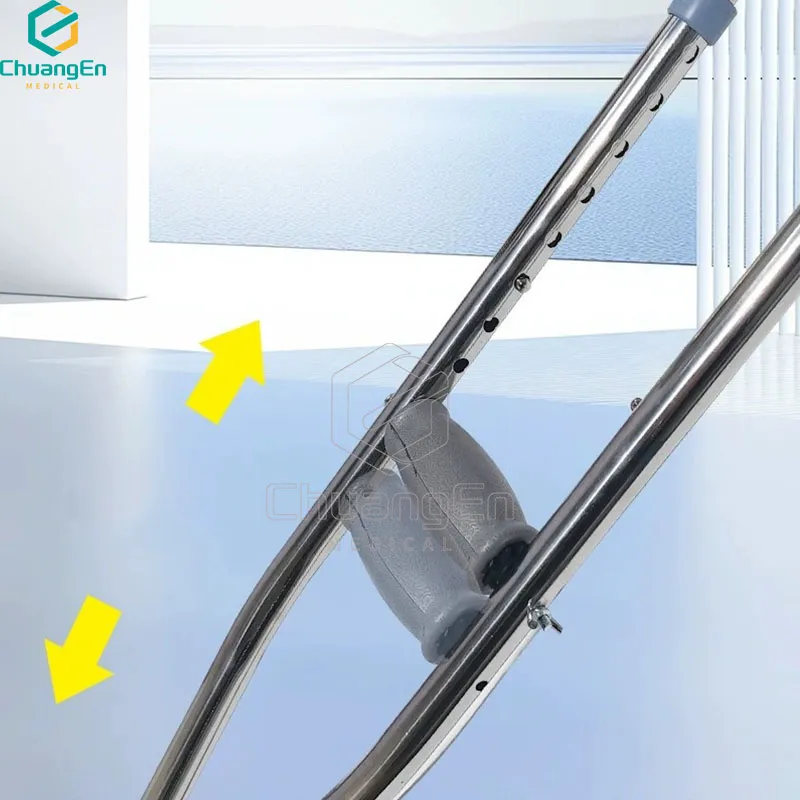
Fig 2: Diverse applications of modern mobility aids in clinical settings.
Vendor Comparison and Selection Criteria for Mobility Devices
When sourcing mobility aids such as crutch cane options and underarm crutches for institutional or widespread distribution, a thorough vendor comparison is essential. Decision-makers must evaluate not just product specifications but also manufacturing quality, compliance, and post-purchase support.
Key Selection Criteria:
- Material Quality and Durability: Beyond headline material (e.g., aluminum), consider specific alloy grades and surface treatments.
- Manufacturing Precision: Assess consistency in production, absence of defects, and quality of joints and mechanisms.
- Adherence to Standards: Verify ISO 13485, CE, FDA, and other relevant medical device certifications.
- Ergonomics and User Comfort: Evaluate pad materials, handgrip designs, and ease of adjustment.
- Customization Options: The ability to tailor products for specific user groups or branding.
- After-Sales Support and Warranty: Reliability of support, spare parts availability, and warranty terms.
- Cost-Effectiveness and Lifecycle Value: Balance initial purchase price with long-term durability, maintenance, and replacement costs.
Product Comparison Table: Aluminum vs. Other Materials/Designs
| Feature | Premium Aluminum Underarm Crutches | Standard Aluminum Crutches | Stainless Steel Crutches (e.g., CS-01S) | Traditional Wooden Crutches |
|---|---|---|---|---|
| Material Grade | 6061-T6 / 7075-T6 Alloy | 6061 Aluminum Alloy | Medical Grade Stainless Steel | Hardwood (e.g., Ash, Maple) |
| Weight (Per Crutch) | ~0.8 kg (1.75 lbs) | ~1.0 kg (2.2 lbs) | ~1.5 kg (3.3 lbs) | ~1.3 kg (2.8 lbs) |
| Corrosion Resistance | Excellent (Anodized) | Good | Superior | Poor (requires sealing) |
| Durability / Service Life | Very High (5-10 years) | High (3-7 years) | Extremely High (10+ years) | Moderate (2-5 years) |
| Adjustability | Easy, precise telescopic | Standard telescopic | Robust telescopic | Pin-hole, less precise |
| Cost-Effectiveness | High (excellent value) | Moderate | High (premium investment) | Low initial, higher lifecycle |
While premium aluminum underarm crutches offer an optimal balance of lightweight design, durability, and corrosion resistance, options like the CS-01S stainless steel variant from Chuangen Medical demonstrate superior strength and longevity for specific high-demand or bariatric applications, albeit with increased weight. Each material and design choice presents a unique value proposition that must align with the specific needs of the end-user and the operational context.
Customized Solutions for Specialized Needs
Recognizing that not all mobility needs are standard, leading manufacturers of crutches offer comprehensive customization capabilities. These bespoke solutions are crucial for optimizing patient outcomes and addressing unique logistical or branding requirements for healthcare systems, rehabilitation centers, and specialized care providers.
- Tailored Dimensions and Load Capacity: Custom adjustments to height ranges and reinforced designs for significantly higher weight capacities can accommodate bariatric patients or individuals with unusual statures, ensuring optimal support and safety where standard sizes fall short.
- Specialized Grip and Pad Materials: For patients with specific dermatological sensitivities, neurological conditions affecting grip strength, or prolonged usage requirements, custom materials for underarm pads and handgrips (e.g., enhanced memory foam, hypoallergenic silicone) can be integrated to improve comfort and reduce skin irritation or pressure sores.
- Color and Branding Integration: Healthcare facilities often seek to standardize equipment appearance or incorporate institutional branding. Manufacturers can provide custom color schemes and logo integration on the aluminum underarm crutches for aesthetic consistency and enhanced brand recognition.
- Modular Attachments and Accessory Compatibility: Custom solutions can include specific mounting points for additional accessories (e.g., integrated lighting, carrying pouches) or ensuring compatibility with unique rehabilitation equipment, enhancing the crutch's functional versatility.
- Advanced Surface Treatments: Beyond standard anodizing, specialized coatings (e.g., antimicrobial finishes) can be applied for environments demanding heightened infection control, further boosting hygiene and patient safety.
These customization options underscore a manufacturer's engineering prowess and commitment to solving complex mobility challenges. Engaging with a vendor capable of such bespoke solutions ensures that institutions can provide the most appropriate and effective mobility aids, directly impacting patient satisfaction and rehabilitation success rates.
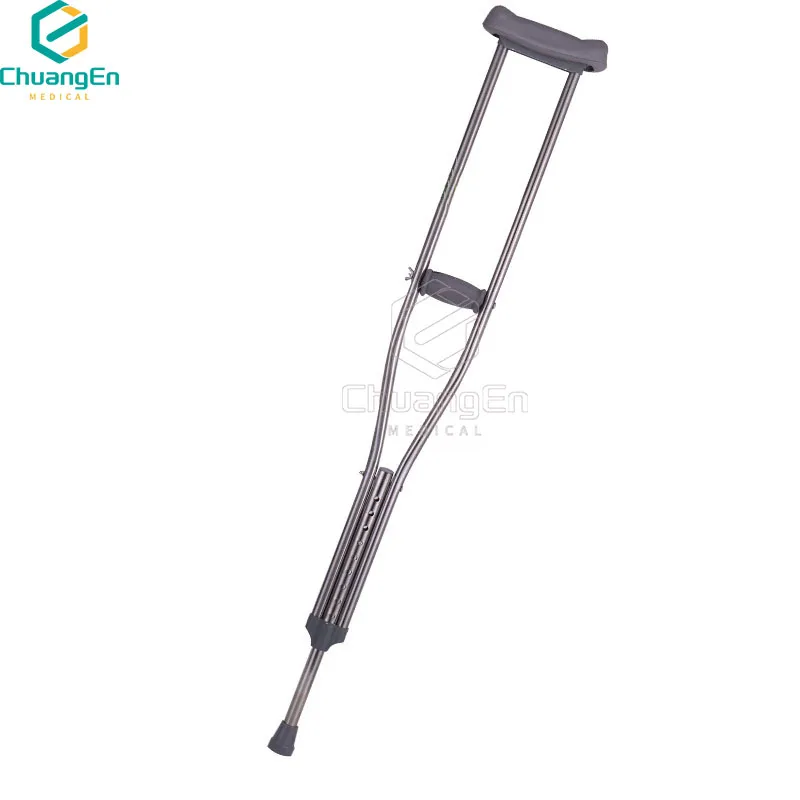
Fig 3: Innovations in ergonomic design and customization for crutches.
Real-World Application Case Studies and User Experience
The theoretical advantages of high-quality aluminum underarm crutches are best validated through their real-world impact. These case studies highlight how advanced mobility aids translate into tangible benefits for patients and healthcare providers.
Case Study 1: Large Orthopedic Hospital System
A major metropolitan orthopedic hospital system, managing over 5,000 post-surgical patients annually, transitioned from a fleet of standard aluminum and wooden crutches to a premium range of lightweight, anodized aluminum models. Prior to this change, patient feedback often cited discomfort, difficulty with adjustment, and the perceived bulkiness of older devices. Following the switch, the hospital observed a 15% reduction in patient-reported discomfort during ambulation within the first six months. Furthermore, physical therapists noted an average 10% improvement in patient compliance with weight-bearing restrictions, attributed to the enhanced stability and ergonomic design of the new crutches. This led to fewer re-admissions related to mobility issues and a tangible increase in patient satisfaction scores related to rehabilitation equipment.
Case Study 2: Regional Rehabilitation Center
A rehabilitation center specializing in complex neurological and musculoskeletal conditions integrated advanced crutch cane and underarm crutch systems, focusing on devices with superior adjustability and material integrity. Their patient population, often requiring prolonged crutch use, presented challenges with traditional designs. Post-implementation, the center reported a notable 20% decrease in skin irritation and pressure sores on the axilla and hands among long-term crutch users, directly linked to the improved padding materials and anatomical design. The lightweight nature of the aluminum devices also allowed therapists to introduce ambulation exercises earlier in the rehabilitation process for certain patient groups, contributing to an average 5-day reduction in overall inpatient rehabilitation time for lower extremity injury cohorts. This translated into significant operational efficiencies and improved patient flow.
These examples underscore the critical role that thoughtfully designed and precisely manufactured mobility aids play in optimizing recovery pathways and elevating the standard of patient care. The emphasis on user experience, validated by tangible results, solidifies the value proposition of investing in high-quality crutches.
Ensuring Quality: Certifications, Authoritativeness, and Trustworthiness
In the medical device industry, establishing trustworthiness and authority is paramount. For B2B decision-makers, verifiable credentials and transparent operational practices are non-negotiable when selecting a supplier for essential mobility aids like aluminum underarm crutches.
Certifications and Compliance:
- ISO 13485:2016 Certification: This internationally recognized standard specifies requirements for a quality management system where an organization needs to demonstrate its ability to provide medical devices and related services that consistently meet customer and applicable regulatory requirements. Adherence is non-negotiable for medical device manufacturers.
- CE Marking: Indicates conformity with health, safety, and environmental protection standards for products sold within the European Economic Area. This is vital for international distribution and market access.
- FDA Registration: For the U.S. market, products must be registered with the Food and Drug Administration (FDA), demonstrating compliance with U.S. medical device regulations.
- ANSI/RESNA WC-02: Compliance with these standards for assistive technology and wheeled mobility aids ensures devices meet specific performance and safety benchmarks.
Authoritative References and Experience:
- Years of Service: A track record of over two decades in manufacturing medical devices demonstrates deep industry expertise, continuous improvement, and resilience.
- Partner Clients: Collaboration with leading healthcare networks, governmental health organizations, and renowned rehabilitation centers serves as a testament to product reliability and vendor credibility.
- Test Data and Analysis: Manufacturers should provide readily available internal and third-party test data for load capacities, fatigue testing, material composition analysis, and environmental resilience, ensuring transparency and verifiable performance.
- Expertise in Material Science and Biomechanics: A deep understanding of how material properties (e.g., specific aluminum alloys, polymer composites) interact with human biomechanics is crucial for designing truly effective and safe mobility aids.
Choosing a vendor who transparently upholds these benchmarks is fundamental to ensuring the safety and effectiveness of medical equipment and to safeguarding patient trust.
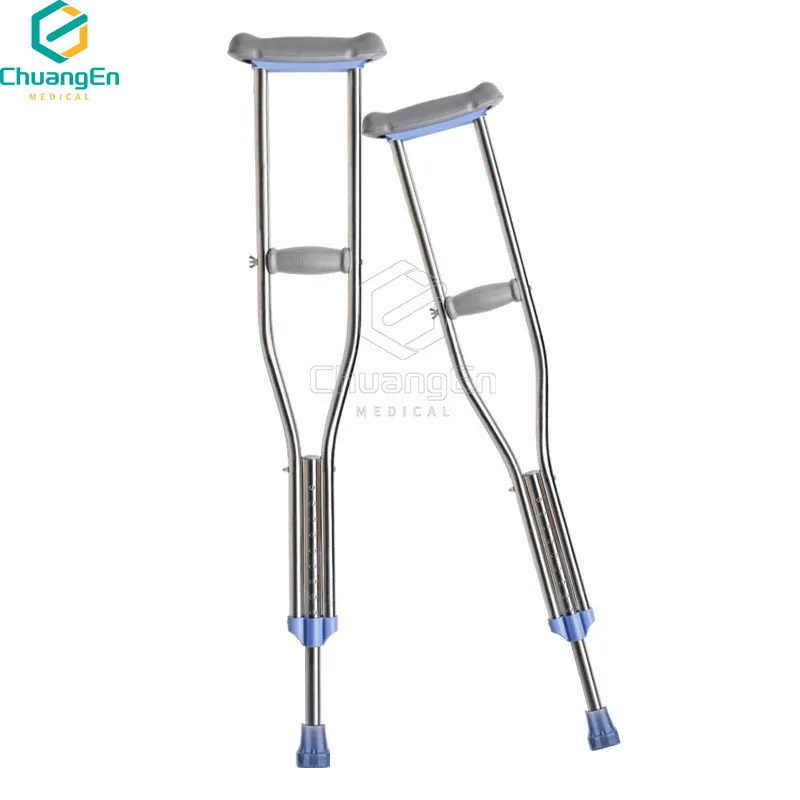
Fig 4: Commitment to international medical device quality standards.
Frequently Asked Questions (FAQ)
- Q1: What are the primary advantages of aluminum underarm crutches over traditional wooden or steel options?
- Aluminum crutches offer superior advantages in terms of weight, corrosion resistance, and often greater adjustability. They are significantly lighter than steel or wooden crutches, reducing user fatigue and improving maneuverability. The anodized aluminum is rust-proof and easy to clean, unlike wood which can splinter or steel which can rust.
- Q2: How do I select the correct size and adjustability range for crutches?
- Proper sizing is crucial. The height of the crutch should allow for 2-3 finger widths between the top of the crutch pad and the user's armpit when standing upright. The handgrip should be positioned so the elbow is flexed at approximately 15-30 degrees. Manufacturers typically provide size charts based on user height, and telescopic designs allow for fine-tuning.
- Q3: What is the expected service life and maintenance for these crutches?
- High-quality aluminum crutches typically have a service life of 5-10 years, depending on the frequency and intensity of use. Maintenance involves regular inspection of rubber tips (ferrules), handgrips, and underarm pads for wear and tear, and replacing them as needed. Cleaning with mild soap and water is recommended to maintain hygiene.
- Q4: Are these crutches suitable for long-term use?
- Yes, ergonomic and durable aluminum crutches are designed for both short-term recovery and long-term mobility support. Features like contoured handgrips and cushioned underarm pads are specifically engineered to minimize discomfort during extended periods of use. For very long-term or permanent use, forearm crutches might also be considered based on user preference and medical advice.
- Q5: What certifications should I look for when purchasing medical mobility aids?
- Always prioritize products with reputable certifications such as ISO 13485 (Medical Devices Quality Management System), CE Marking for European markets, and FDA registration for the U.S. These certifications assure that the product meets stringent quality, safety, and performance standards.
Lead Time, Warranty, and Customer Support
Effective procurement of medical devices extends beyond product specifications to encompass reliable logistics and comprehensive post-purchase support.
- Lead Time and Fulfillment: Standard orders for aluminum underarm crutches typically have a lead time of 2-4 weeks, depending on order volume and destination. Expedited shipping options are often available. For customized solutions, lead times may extend to 6-8 weeks, factoring in design, prototyping, and specialized production runs. Transparent communication regarding delivery schedules is a hallmark of reliable suppliers.
- Warranty Commitments: Reputable manufacturers offer comprehensive warranties, typically 1 to 5 years, covering manufacturing defects in materials and workmanship. This demonstrates confidence in product quality and provides financial protection for procurement agencies. Details regarding warranty claims processes, including required documentation and repair/replacement procedures, should be clearly outlined.
- Customer Support and Technical Assistance: Robust after-sales support is critical. This includes dedicated customer service channels (phone, email, online portal), technical assistance for assembly, adjustment, and troubleshooting, and readily available spare parts (e.g., rubber tips, handgrips, underarm pads) to ensure continuous operation and extend product lifecycle.
A vendor's commitment to these operational aspects significantly contributes to the overall value proposition and long-term partnership success in the demanding healthcare sector.
Conclusion
The evolution of mobility aids, particularly advanced aluminum underarm crutches, signifies a profound commitment to improving patient outcomes and enhancing independent living. Through the integration of high-grade materials, precision manufacturing processes, and ergonomic design principles, these devices transcend their basic function to become critical tools in rehabilitation and daily mobility. The continuous innovation in areas such as lightweight design, durability, and customization ensures that healthcare providers can offer solutions tailored to diverse patient needs, ultimately fostering faster recovery and a higher quality of life. As the demand for sophisticated mobility solutions grows, prioritizing products that meet stringent international standards and are backed by comprehensive support services remains paramount for all stakeholders in the healthcare ecosystem.
References
- World Health Organization. (2023). Assistive technology. Retrieved from www.who.int/news-room/fact-sheets/detail/assistive-technology
- International Organization for Standardization. (2016). ISO 13485:2016 Medical devices – Quality management systems – Requirements for regulatory purposes. Retrieved from www.iso.org/standard/59752.html
- Grand View Research. (2023). Mobility Aids Market Size, Share & Trends Analysis Report By Product (Wheelchairs, Scooters, Canes, Crutches, Walkers), By End-use, By Region, And Segment Forecasts, 2020 – 2027. Retrieved from www.grandviewresearch.com/industry-analysis/mobility-aids-market
- American National Standards Institute/Rehabilitation Engineering and Assistive Technology Society of North America. (2009). ANSI/RESNA WC-02, Section 5: Crutches and Walkers.
- U.S. Food and Drug Administration. (2023). Medical Devices. Retrieved from www.fda.gov/medical-devices