Electric Air Bed for Patients: A Lifeline in Modern Healthcare and Beyond
The electric air bed for patients might sound like a niche piece of hospital furniture at first, but its role resonates far beyond the clinical walls—it addresses a global issue that’s only growing more urgent. With the aging world population and increased risk of immobility-related complications, understanding these beds means grasping not only how technology aids healthcare but also how it impacts patient dignity and recovery worldwide.
Introduction: Why Electric Air Beds Matter Globally
We live in an era where safe, comfortable patient care is a fundamental right, yet millions across continents still grapple with inadequate bedding solutions. The UN Department of Economic and Social Affairs predicts that by 2050, the global population over 60 will double, adding pressure on healthcare systems to provide better patient care facilities. Beds, surprisingly, are pivotal here. The electric air bed addresses critical issues like pressure ulcers, which affect up to 30% of bedridden patients, according to the World Health Organization.
Healthcare facilities in developed countries implement these beds to reduce hospital-acquired injuries, and NGOs deploy them in emergency relief zones. The electric air bed isn’t just a comfort upgrade; it is a practical solution to serious global medical challenges.
Defining the Electric Air Bed for Patients
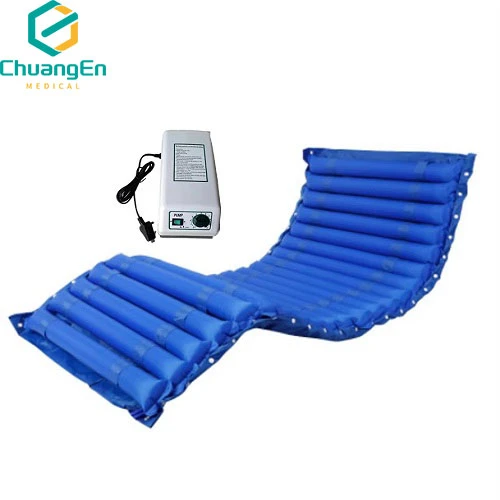
Simply put, an electric air bed for patients is an advanced mattress system that uses electrically controlled air chambers to adjust firmness and pressure distribution dynamically. This helps prevent bedsores, improves circulation, and often allows for customizable comfort levels. Unlike static mattresses, these beds actively contour to patients’ bodies, often integrated with hospital beds for easy adjustment of positions.
In humanitarian terms, these beds are lifesavers during crises—portable, energy-efficient, and scalable to suit needs from field hospitals to long-term care facilities. They exemplify how modern tech and healthcare intertwine to serve vulnerable populations effectively.
Core Components & Key Factors of Electric Air Beds
1. Pressure Redistribution
The primary function is to minimize pressure on bony prominences by shifting airflows and mattress firmness automatically or by presets, which is crucial to preventing pressure ulcers in immobile patients.
2. Durability and Material Quality
Air mattresses use multi-layered, medical-grade PVC or polyurethane to resist punctures and ensure hygiene. The choice of fabric and coatings determines cleaning ease and longevity.
3. Adjustable Operation and Controls
Most models feature user-friendly electric pumps controlled by nurses, patients, or caregivers. Settings vary the firmness or activate alternating pressure cycles. Some high-end beds can even connect to hospital monitoring systems.
4. Portability and Energy Consumption
Especially for field or emergency use, lightweight yet sturdy frames with low energy pumps make these beds feasible in low-resource environments.
5. Infection Control Compliance
Materials and design must allow frequent sanitization without degrading functionality, meeting ISO standards for medical devices.
Product Specifications at a Glance
| Specification | Electric Air Bed Model X100 |
|---|---|
| Dimensions | 200cm x 90cm x 15cm |
| Weight Capacity | Up to 200 kg |
| Power Source | 110–240V AC, Energy-saving pump |
| Pressure Settings | 10 cycles per hour alternating; static mode |
| Material | Medical-grade PVC, antibacterial coating |
Global Applications & Use Cases
Electric air beds have versatile roles across regions and industries. In European and North American hospitals, they’ve become standard to improve outcomes and reduce nursing workloads. Meanwhile, humanitarian organizations use portable electric air mattresses in conflict zones and disaster relief efforts where pressure sore prevention is critical but resources are scarce.
In Asia and Africa, growing eldercare facilities and rehabilitation centers adopt these beds as part of their modernization efforts. Even remote mining and oil platforms utilize electric air beds to accommodate injured or sick workers during extended stays.
- Post-disaster relief operations: Temporary clinics smoothing recovery for immobile patients.
- Home healthcare: Enabling independent living for elders or disabled patients.
- Remote industrial camps: Providing safe rest to reduce complications for injured personnel.
Many engineers I’ve spoken to note that the modular design and energy efficiency of certain models make them surprisingly adaptable across so many environments.
Advantages & Long-Term Value
Beyond comfort, electric air beds promote dignity, safety, and quicker recovery. Pressure ulcers are among the costliest complications in long-term care; preventing them significantly cuts healthcare costs. Plus, sustaining patient skin health reduces infection rates—clinically proven benefits documented by reputable institutions like the Centers for Disease Control and Prevention.
Emotionally, a patient’s comfort and mobility control mean improved mental well-being, which frankly isn’t discussed enough. Innovation here isn’t just technical; it’s deeply human. Picking the right bed signals care and respect.
Vendor Comparison of Popular Electric Air Beds
| Vendor | Model | Price Range | Key Feature | Warranty |
|---|---|---|---|---|
| ChuangEn Medical | X100 | $1,200–$1,500 | Energy-saving pump with antibacterial surface | 3 years |
| MediComfort Inc. | ProAir 450 | $1,300–$1,700 | Bluetooth connectivity & app control | 2 years |
| HealthRest Systems | UltimaCare | $1,100–$1,400 | Lightweight, portable design | 1 year |
Future Trends and Innovations
What’s next for electric air beds? Oddly enough, sustainability is becoming a big theme—manufacturers are exploring biodegradable mattress materials and more renewable energy-efficient pumps. The digital transformation trend means beds with IoT connectivity for real-time patient monitoring and data analytics.
Automation may allow these beds to anticipate patient needs or integrate seamlessly with electronic health records for personalized care. Green energy compatibility could make deployment in low-resource or off-grid locations even easier. Frankly, it feels like the industry is just waking up to the vast potential of combining comfort, tech, and eco-consciousness.
Challenges and Solutions
But it’s not all smooth sailing. Common challenges include:
- High initial cost: Some settings struggle to invest despite long-term savings.
- Power dependency: Difficulties in areas with unstable electricity grids.
- Maintenance hurdles: Breakdown risks in harsh environments.
Experts suggest modular upgrade paths, solar-assisted power systems, and robust training programs for caregivers as effective solutions. Plus, partnerships between NGOs and vendors can co-develop region-specific solutions addressing these gaps.
Frequently Asked Questions About Electric Air Beds for Patients
- Q: How do electric air beds prevent pressure sores better than traditional mattresses?
- A: By cyclically inflating and deflating air chambers, these beds distribute pressure more evenly and improve blood flow, reducing skin breakdown risks much more effectively than static foam mattresses.
- Q: Can these beds be used outside of hospitals?
- A: Definitely—many models are designed for home healthcare, long-term care, and even emergency field deployment, providing versatility across varied clinical and humanitarian contexts.
- Q: What maintenance is typically required?
- A: Routine cleaning and periodic checks of the pumps and air-tightness are recommended. Most manufacturers provide straightforward instructions and warranties to aid this.
- Q: Are electric air beds energy-intensive?
- A: Not really; modern models use low-consumption pumps optimized for continuous use at minimal energy costs, some compatible with battery backups or solar power.
Conclusion
In real terms, the electric air bed for patients is more than a fancy hospital amenity. It’s a crucial instrument in enhancing patient safety, comfort, and dignity worldwide. With demonstrated healthcare benefits, adoption in disaster zones, and a bright future driven by sustainability and technology, these beds are set to redefine the standards of care.
If you want to explore reliable, advanced solutions, visit electric air bed for patients specialists like ChuangEn Medical — they exemplify quality and innovation in this space.
Takeaway: Sometimes, the simplest pieces of tech—like an air bed—can change lives profoundly when thoughtfully designed and applied.