Electric Self Propelled Wheelchair: Empowering Mobility Worldwide
When you think about mobility aids, electric self propelled wheelchairs might not be the very first image that comes to mind, but their importance is growing fast—both in healthcare and in daily life. Simply put, these devices combine the power of electric motors with user-controlled propulsion, giving people with limited mobility independence and freedom. Globally, millions rely on wheelchairs, yet access to advanced electric models remains uneven. Understanding electric self propelled wheelchairs means more than just specs and mechanics; it’s about recognizing how technology, compassion, and design intersect to improve lives.
Introduction: Why This Matters Globally
The World Health Organization estimates over 65 million people use wheelchairs worldwide, with demand expected to rise due to aging populations and chronic illnesses like arthritis or stroke. Yet, many users face challenges: rough terrain, fatigue from manual propulsion, or lack of adaptable technology. This is where electric self propelled wheelchairs come in—they offer enhanced mobility without compromising user control.
Oddly enough, despite this evident need, many regions—especially low- and middle-income countries—struggle with access to affordable, reliable electric wheelchairs. According to the United Nations’ Disability Inclusion strategy, accessible mobility devices are critical for inclusive development and poverty reduction. So there’s both a humanitarian and economic case here: improved mobility means greater participation in society, work, education, even health outcomes.
Defining Electric Self Propelled Wheelchairs
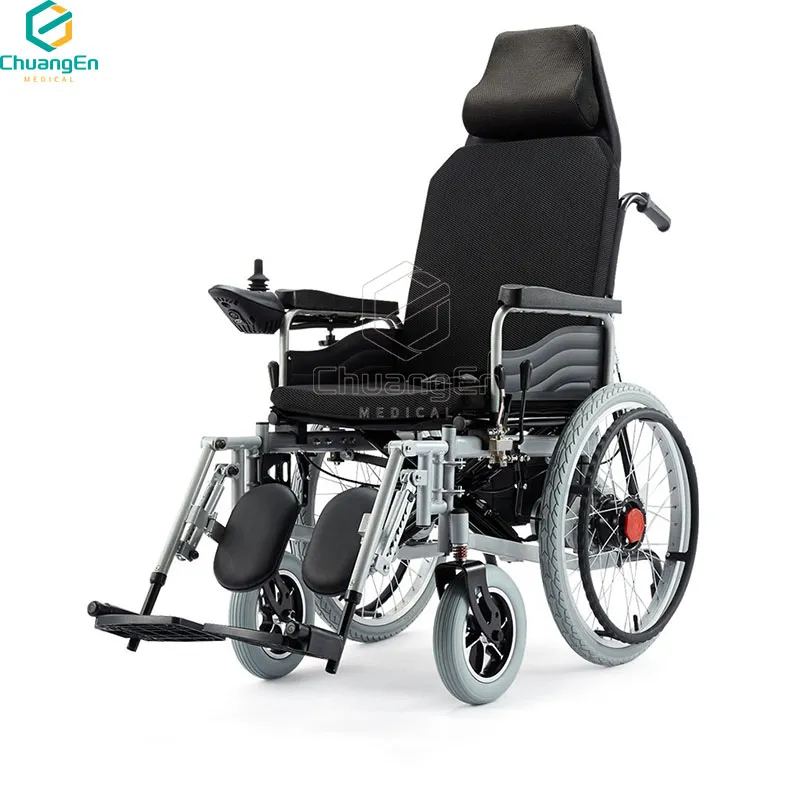
In plain terms, an electric self propelled wheelchair is a powered wheelchair that the user can drive themselves, typically via joystick or other controls. "Self propelled" means unlike scooters or some mobility aids, the person remains in charge, actively controlling speed and direction—this contrasts with push-rim manual wheelchairs where the user has to physically propel it. Electric assist makes long distances or uneven surfaces manageable without exhausting the user.
These wheelchairs bridge industrial innovation with humanitarian need, leveraging batteries, motors, and ergonomic design. The growing integration of tech—think programmable controls, smart sensors—also reflects a broader trend toward personalized, adaptive healthcare solutions.
Key Features of Electric Self Propelled Wheelchairs
1. Durability and Frame Design
A solid frame balances weight and strength. Aluminum and carbon fiber are popular; they keep the chair lightweight yet rugged. This is critical for users navigating urban sidewalks or rural landscapes.
2. Battery Life and Power Range
Battery capacity—usually lithium-ion—determines range, often between 10 and 25 miles per charge. For many, this decides whether the chair fits daily routines or just short outings.
3. Control Systems
Most models use joysticks, but alternatives like head-controlled or sip-and-puff systems exist for users with limited hand function. Interface ease affects user safety and confidence profoundly.
4. Comfort and Customization
Adjustable seating, cushioning, and footrests help prevent pressure sores, a major concern for long-term wheelchair users.
5. Transportability
Foldable or modular designs make traveling easier and support independent lifestyles.
Product Specification Table: A Popular Model
| Specification | Value |
|---|---|
| Frame Material | Aluminum Alloy |
| Battery Type | Lithium-ion, 24V 12Ah |
| Range per Charge | 20 miles (32 km) |
| Maximum Speed | 4.5 mph (7.2 km/h) |
| Control Type | Joystick |
| Weight Capacity | 250 lbs (113 kg) |
Global Applications & Use Cases
Electric self propelled wheelchairs serve in a range of contexts that sometimes surprise people. In developed urban centers across Europe and North America, they provide everyday independence for seniors and disabled individuals, reshaping how mobility is managed at home, work, and school.
Meanwhile, in remote or developing regions, NGOs have used rugged models in disaster relief efforts, helping displaced individuals regain autonomy quickly—an often overlooked but critical need. Imagine a post-earthquake zone where terrain is uneven; electric power can make navigating rubble far less hazardous.
Industrial zones with rough ground surfaces or outdoor campuses also benefit from these wheelchairs, where staff or visitors with mobility impairments require durable, weather-resistant options.
And don’t overlook the emotional impact: empowerment leads to dignity and social inclusion.
Vendor Comparison Table
| Vendor | Price Range | Battery Life (miles) | Weight Capacity | Special Features |
|---|---|---|---|---|
| ChuangEn Medical | $2,000 - $4,000 | 20 | 250 lbs | Lightweight frame, foldable, customizable controls |
| Invacare | $3,000 - $5,500 | 18 | 300 lbs | Advanced suspension, multi-terrain tires |
| Permobil | $8,000 - $15,000 | 25 | 280 lbs | Custom positioning, smart connectivity |
Advantages & Long-Term Benefits
The most obvious advantage is independence. Imagine not needing someone else to push your wheelchair or help you cross streets. There’s also an emotional uplift—users report feeling more confident and engaged socially. Smartly designed chairs reduce physical strain and risk of repetitive injury. They bring logistical benefits, too: reducing caregiver fatigue and healthcare costs in the long run.
Long term, investing in electric mobility solutions aligns with sustainability goals. Modern electric wheelchairs are embracing greener batteries and modular parts that are easier to repair or recycle. Eco-friendly choices matter, especially as healthcare systems worldwide seek smarter, cost-effective technologies.
Electric self propelled wheelchair options from reliable vendors also usually come with extended warranties and after-sales support, enhancing trust and usability.
Future Trends & Innovations
Looking ahead, the landscape is rapidly changing. Battery tech is becoming more efficient and lightweight. Integration with smartphones allows users or caregivers more control and monitoring features. Some companies are exploring AI-driven obstacle avoidance or terrain adaptation. Sustainability is front and center: from solar-assisted charging stations to recyclable materials.
Also, policy improvements tied to the UN’s CRPD (Convention on the Rights of Persons with Disabilities) are pushing governments to ensure better access and affordability—so this isn’t just a tech story, it’s socio-political progress.
Challenges & Solutions
Access and cost remain key hurdles. Electric wheelchairs are still expensive, and maintenance can be tricky in remote locations. Batteries degrade and replacements aren’t cheap. In addition, some designs lack adaptability for users with complex needs, limiting usability.
Innovative approaches include modular designs that simplify repairs, battery swap programs, and partnerships with NGOs to fund distribution. Manufacturers like ChuangEn Medical often collaborate globally to provide affordable electric self propelled wheelchairs tailored to specific regions.
Frequently Asked Questions About Electric Self Propelled Wheelchairs
- Q: How long does the battery typically last in daily use?
A: Most lithium-ion batteries offer a 10-25 mile range per charge, depending on terrain and user weight. With careful charging, batteries last 1-3 years before replacement is needed. - Q: Can I use an electric self propelled wheelchair outdoors on rough ground?
A: Yes, many models have rugged tires and suspension designed for outdoor use, but check specifications for terrain compatibility before purchasing. - Q: How portable are these wheelchairs for travel?
A: Some electric wheelchairs fold or break down into components for easy transport, but heavier models may require vehicle modifications. Ask about foldability if travel is key. - Q: Are these wheelchairs customizable?
A: Absolutely. Many vendors offer tailored seating, controls suited for different abilities, and accessory options to enhance comfort and functionality. - Q: What support is available for maintenance?
A: Leading manufacturers provide warranties and after-sales service. Additionally, some regions have NGOs or government programs that assist with repairs and parts replacement.
Conclusion
Electric self propelled wheelchairs represent a vital piece of the mobility puzzle—intertwining technology, independence, and inclusive living. Their benefits ripple through personal health, social dignity, and economic participation. While challenges remain, ongoing innovation and global collaboration promise a more accessible future for millions worldwide.
If you want to explore the latest options or discover how these advanced mobility aids can transform lives, visit our website and start your journey toward empowered movement.
Mini takeaway: Mobility is not just movement—it’s freedom, opportunity, and dignity. Electric self propelled wheelchairs help deliver that, one step (or mile) at a time.
References:
1. World Health Organization, “Assistive products,” who.int
2. United Nations, Disability Inclusion Strategy, un.org
3. ISO 7176: Wheelchairs – Testing and Performance Standards, iso.org