If you’ve been trying to make sense of
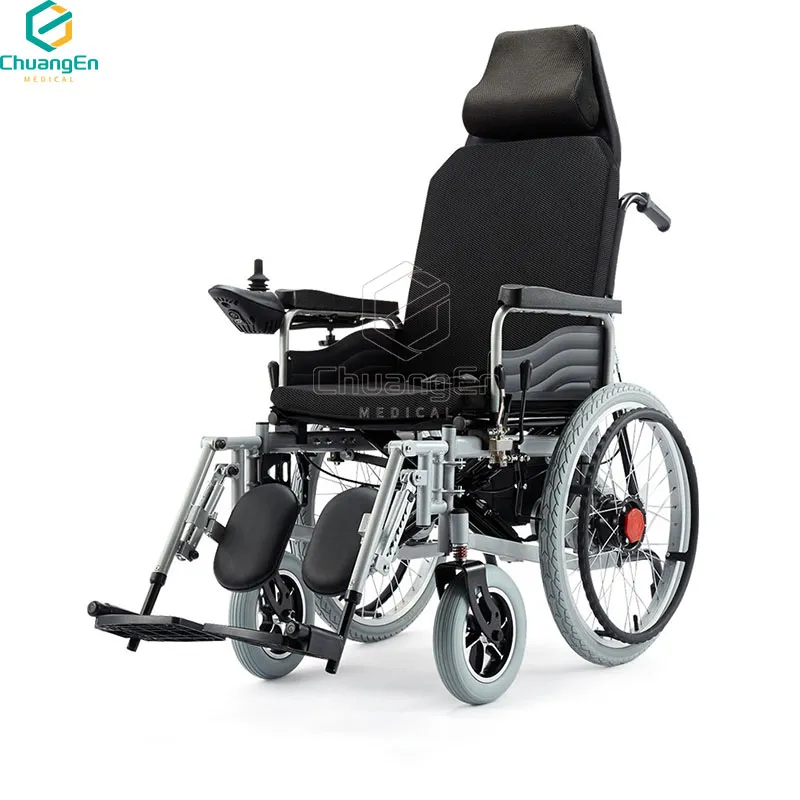
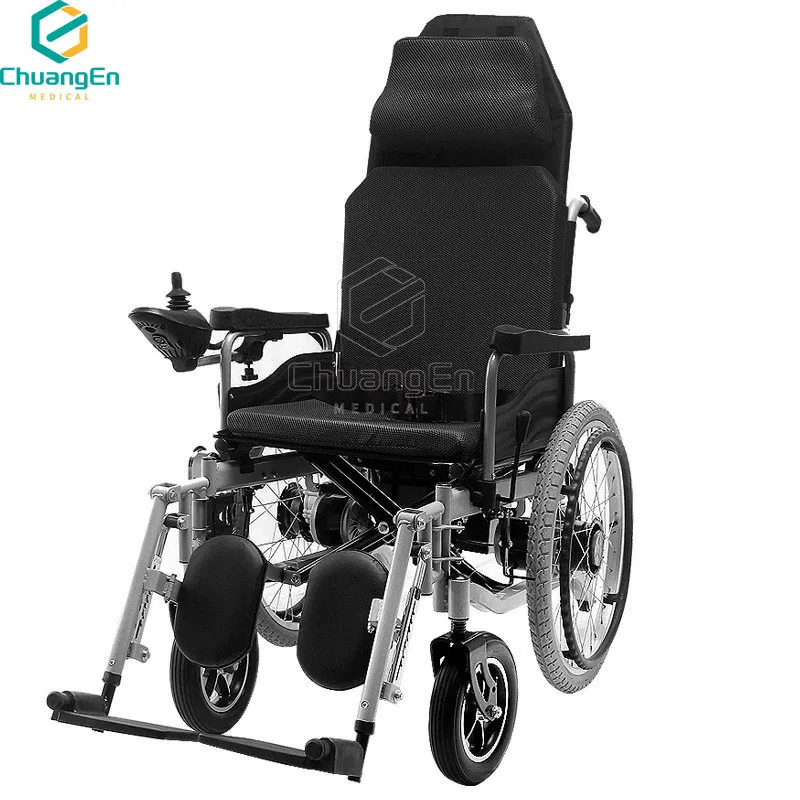
Electric Wheelchair Price lately, you’re not alone. The market has shifted fast—post-2023 supply chains eased, batteries got better, and frankly, customer expectations climbed. I spent the week talking to rehab dealers and a couple of procurement folks, and one model kept popping up: the CLD-04 High Back Reclining Electric Wheelchair For The Elderly (22 Inch), made in Shijiazhuang, Hebei, China. It’s a practical workhorse with a few comfort surprises.
What buyers really want (and what pushes
Electric Wheelchair Price up or down) boils down to five things: motor power, battery chemistry, seating (fit and pressure relief), frame design, and after-sales support. The CLD-04’s pitch is simple—dual high-torque motors, a reinforced frame, and a 180° reclining backrest with elevating legrest that can truly lay flat. It sounds like a brochure line, but lying flat is a game changer for long days.
Industry trend snapshot (quick and honest):
- Range anxiety is fading: modern packs deliver ≈18–25 km per charge in real-world use.
- Recline and lie-flat are moving from “nice-to-have” to baseline in elder care.
- Joystick ergonomics and one-handed operation now matter as much as raw torque.
- Compliance is getting stricter—buyers ask about ISO 7176 and IEC battery safety by name.
Technical overview (CLD-04, 22-inch seat):
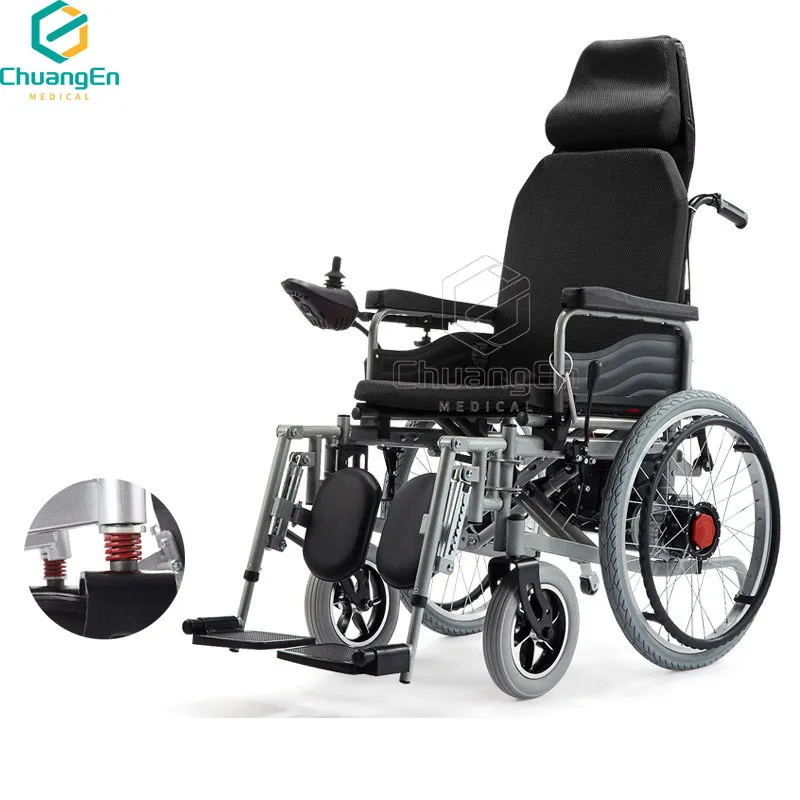
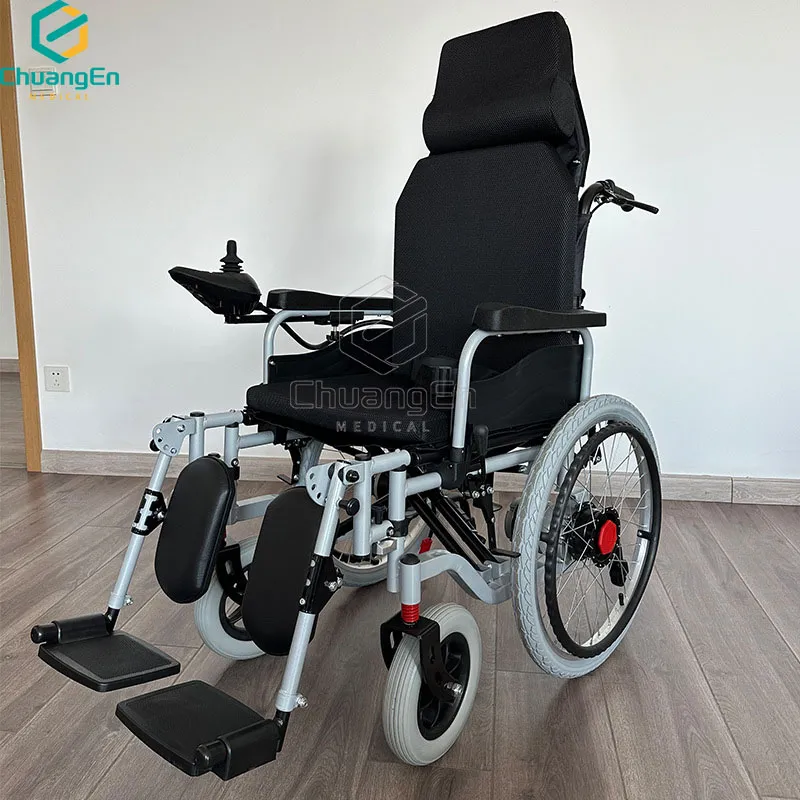
- Drive: Dual high-power DC motors; climbs small obstacles with less “stall.”
- Tires: Inflatable rear wheels that soak up bumps—feels like cruising flat ground, as a couple of users told me.
- Controls: Universal joystick, one-handed, left/right swap.
- Frame: Reinforcement design to resist deformation; to be honest, that’s what keeps maintenance predictable.
- MOQ: 1 piece (useful for families and small clinics).
Product specification (indicative, may vary by region):
| Seat Width |
22 in (≈560 mm) |
| Recline/Legrest |
0–180° lie-flat, elevating footrest |
| Range |
≈18–25 km per charge (real-world) |
| Max User Weight |
≈120 kg (check regional spec) |
| Climbing Ability |
≈6–8° ramps, surface-dependent |
| Battery |
Sealed battery pack; IEC 62133 compliance claimed |
Price reality check:
- Budget powered chairs: around $700–$1,500 (limited recline, basic motors).
- Mid-range (like this): ≈$1,400–$3,200 depending on battery, upholstery, shipping.
- Advanced rehab: $3,500–$8,000+ (power tilt/stand, custom seating).
Ownership costs to remember: batteries every 18–36 months ($120–$300), tires/tubes, joystick module if damaged, and freight. That’s where total cost of ownership beats sticker obsession—yes, I said it.
Vendor comparison (indicative, 2025):
| Vendor |
Base Spec |
Certs (typ.) |
Lead Time |
Price Band |
| Chuangen Medical (CLD-04) |
22" seat, dual motor, lie-flat |
ISO 13485/7176, IEC 62133 (battery) |
≈15–28 days |
Mid |
| Imported Brand X |
20–22", tilt-only |
CE MDR, FDA 510(k) |
4–8 weeks |
High |
| Local Reseller |
Varies |
Distributor-level |
Stock/fast |
Low–Mid |
Materials and process (how it’s built):
- Frame: reinforced steel with anti-corrosion coating; some batches use 6061-T6 aluminum components for weight balance.
- Methods: MIG welding, CNC bracketry, powder coating, torque-checked assembly.
- Testing standards mentioned by vendors: ISO 7176-8 endurance, 7176-6 obstacle, 7176-19 transport; battery to IEC 62133; in some markets, MDR/CE labeling and FDA 21 CFR 890 class II listing.
- Service life: ≈5–7 years with routine maintenance; upholstery usually replaced earlier.
Use cases (where it shines):
- Elder care at home (lie-flat naps are, surprisingly, a big deal).
- Community clinics and rehab rental fleets.
- Hospital discharge programs that need one-handed joystick operation.
- Airports and malls—pneumatic rears ride smoother over joints.
Customization options buyers ask for:
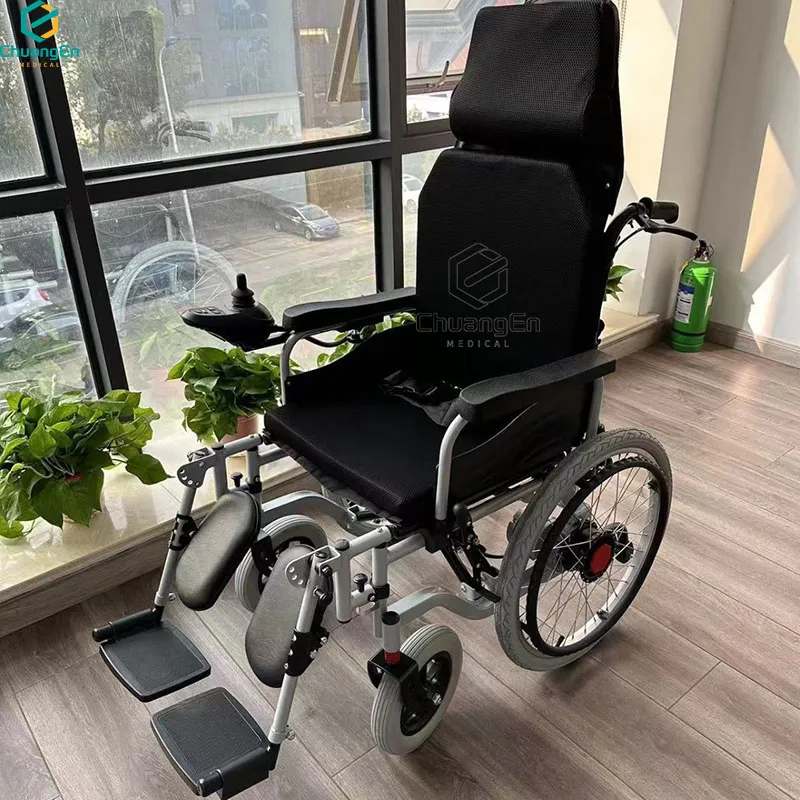
- Left/right joystick swap, shorter armrests, higher-capacity battery pack, puncture-resistant tires, color trim, and pressure-relief cushions.
- Branding for facility fleets.
Many customers say the ability to recline fully is what sold them; dealers like the reinforced frame because returns drop.
Quick case notes:
- A Hebei community center deployed 12 units; reported fewer “stuck on ramp” calls after switching to dual-motor spec.
- One retired teacher told me the chair “felt like flat ground” over tile thresholds. That inflatable rear wheel claim checks out in daily use.
Final thought: chasing the lowest
Electric Wheelchair Price can backfire. Look at TCO, certification traceability, and whether the vendor can ship parts fast from Shijiazhuang.
Authoritative references:
1. ISO 7176 series: Wheelchairs — performance, endurance, stability, and transport testing.
2. IEC 62133-2: Safety requirements for portable sealed secondary lithium cells and batteries.
3. EU MDR 2017/745 and FDA 21 CFR 890 (Physical Medicine Devices) for market compliance.