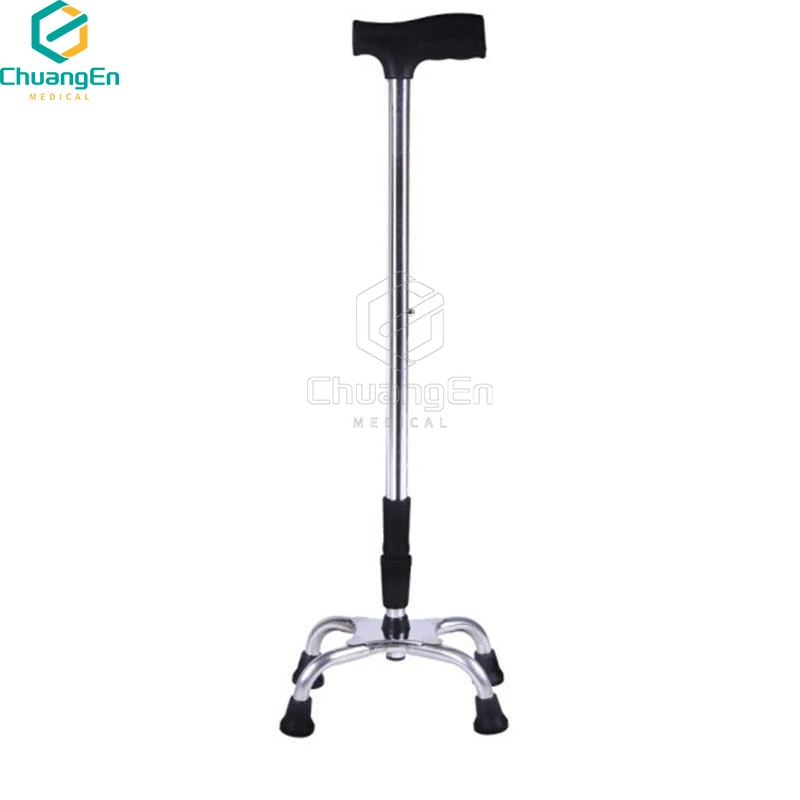
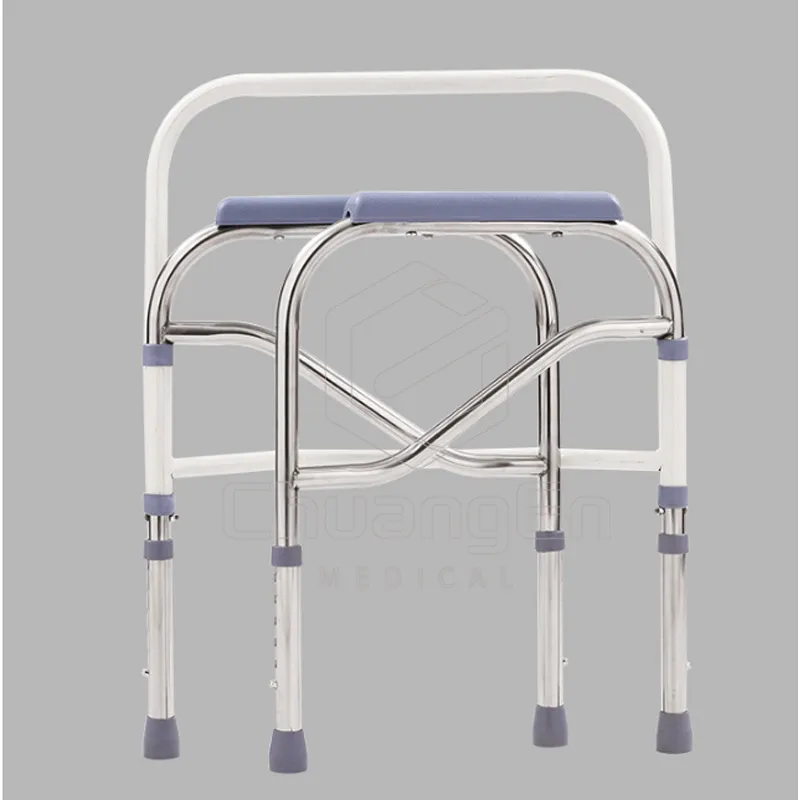
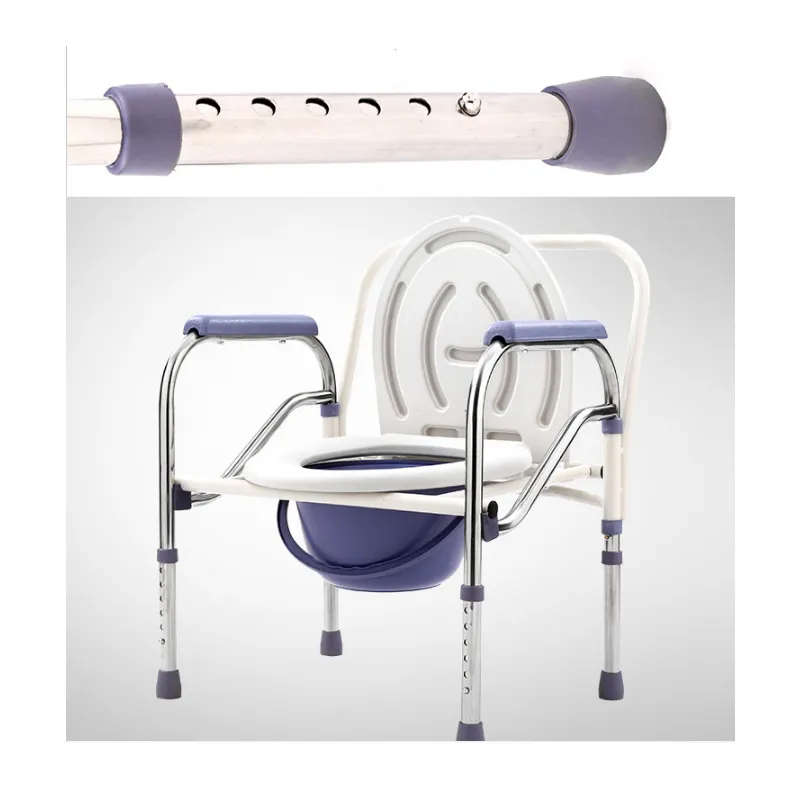
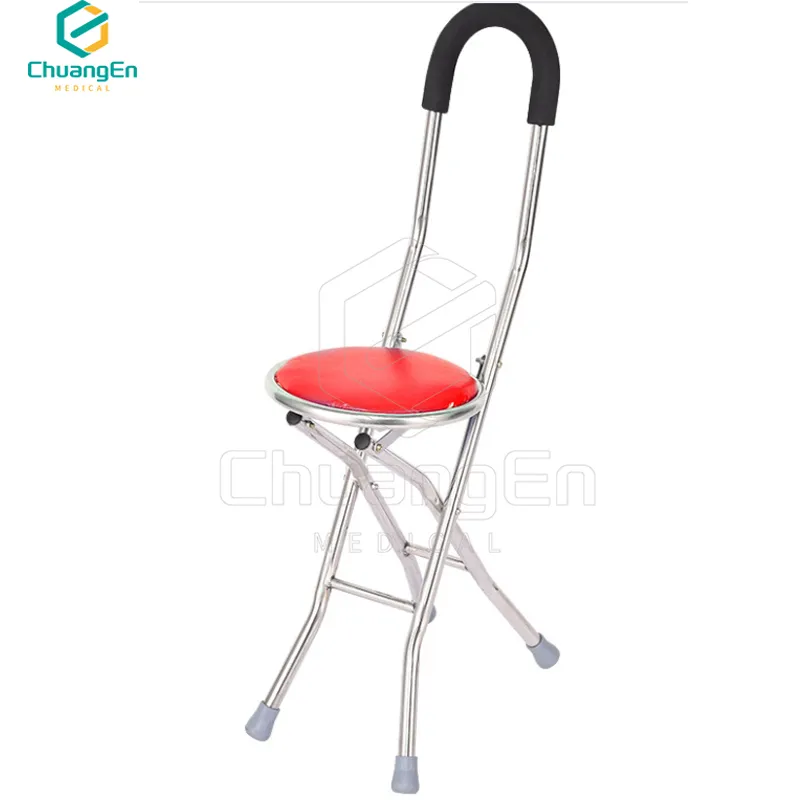
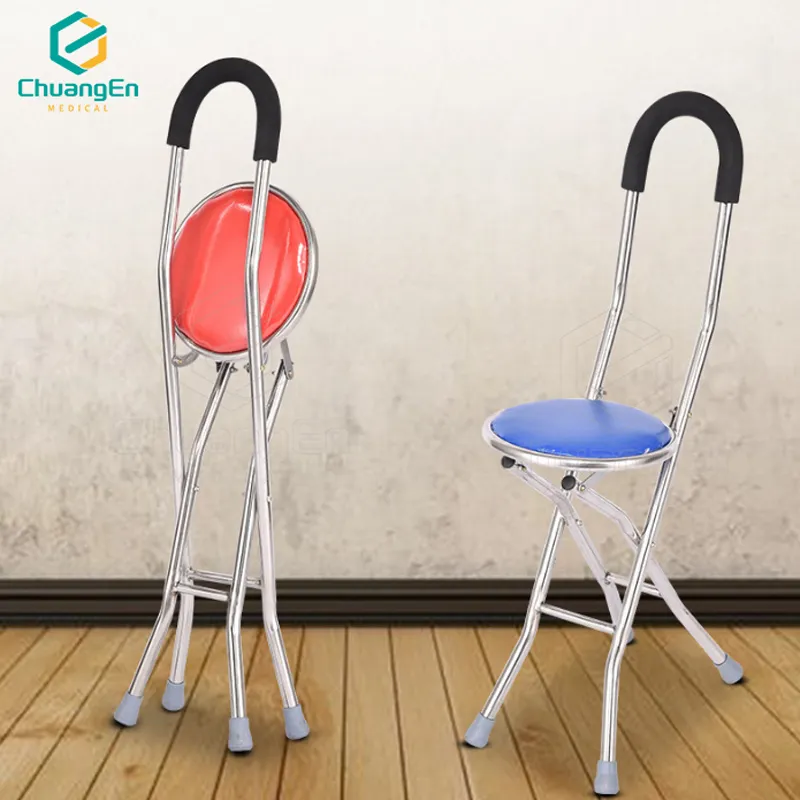
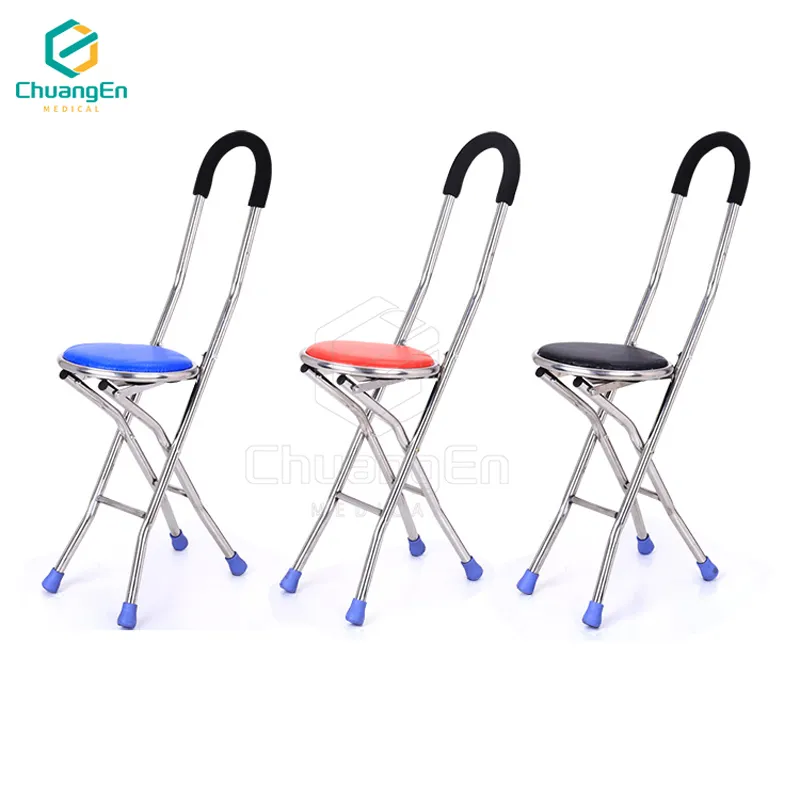
The CS-09 Stainless Steel Folding Lightweight Walking Stick Seat Chair, made in No.65, Tiangui Street, High Technology Industrial Development Zone, Shijiazhuang, Hebei, China, is one of those designs that seems obvious only after you try it. Two uses (rest + walking aid), four-legged stability, and a one-button fold. Small, stashable, surprisingly sturdy. MOQ? 1 PC—so even a single caregiver can trial it.
Industry pulse
With aging populations and post-op recovery on the rise, seat-canes are trending toward lightweight metals, tool-less folding, and compliance with universal assistive standards. Hospitals want wipe-clean surfaces; travel venues want quicker queue relief; individuals just want to sit—now. Many customers say the folding stick chair is the only aid they don’t “forget at home.”
Specs at a glance (CS-09)
| Model | CS-09 |
| Frame material | Stainless steel (≈304 grade), passivated |
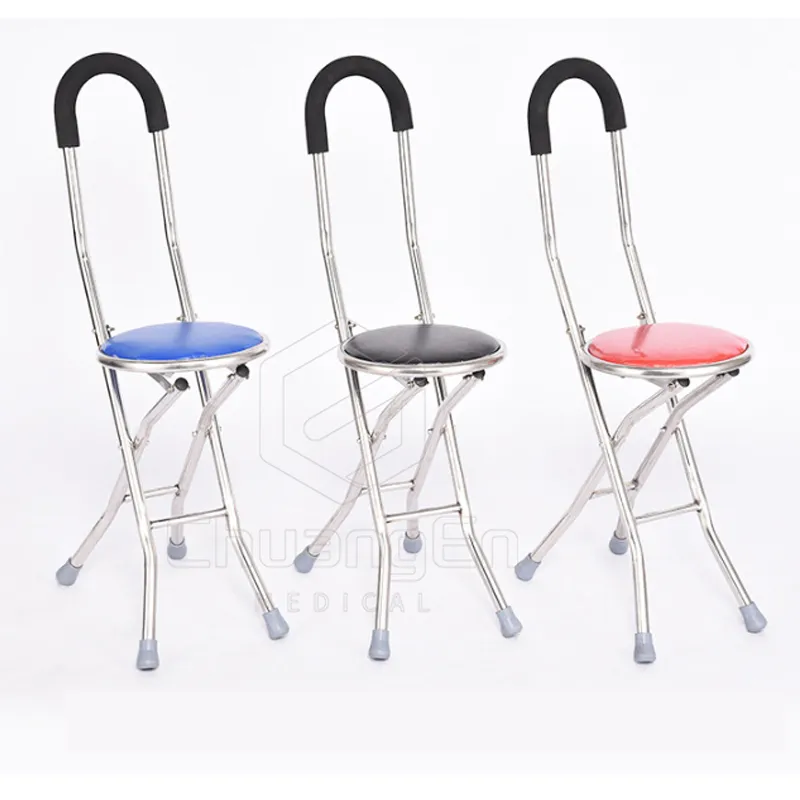
| Seat | Molded PP/ABS, textured, wipe-clean |
| Support | Four-legged base with non-slip rubber ferrules |
| Fold mechanism | One-button folding; compact profile |
| Unit weight | ≈1.1–1.4 kg (as configured) |
| Static load test | ≥120 kg for seat; real-world use may vary |
| Certifications | CE-marking available; ISO/EN testing on request |
How it’s made (brief process flow)
- Materials: stainless-steel tubing cut and CNC-bent; PP/ABS seat injection molded.
- Methods: TIG welding at stress nodes; riveted/bolted joints; spring-loaded latch.
- Surface: passivation + light brushing to resist corrosion and fingerprints.
- Testing: dimensional checks; static seat load; handle pull tests; 30,000–50,000 cycle fatigue; slip resistance on wet tile per EN/ISO methods; salt-spray spot checks.
- Service life: ≈3–5 years under normal indoor/outdoor use; ferrules are consumables.
- Industries: healthcare, airports, events, retail queues, home rehab, tourism.
Where it shines
Queue relief at security lines, rest breaks on city walks, post-therapy outings, museum tours. A nurse told me the folding stick chair “turns maybe into yes” for patients considering a day trip. Another buyer (events) liked the four-legged base—less wobble on grass.
Vendor snapshot (quick compare)
| Vendor | CS-09 (Chuangen) | Generic Import A | Budget Marketplace | Premium EU Brand |
| Frame | Stainless steel | Aluminum (thin-wall) | Mixed alloy | Stainless/Alu hybrid |
| Seat load (tested) | ≥120 kg | ≈80–100 kg | ≈70–90 kg | ≥120 kg |
| Fold mechanism | One-button | Manual latch | Manual latch | One-button |
| Certs | CE, ISO tests on file | Varies | Limited | CE + additional |
Customization and compliance
Options: handle height bands, seat width, colorways, anti-microbial coating, branded pads, OEM/ODM packaging, spare ferrule kits. For clinical buyers, the folding stick chair can ship with batch test summaries (static load, fatigue, slip) and CE docs. Also available: material traceability and third-party lab reports (e.g., TÜV/SGS).
Field notes (mini case studies)
- Airport ops: 40 units deployed at checkpoints; reported 22% fewer early seat requests and quicker queue recovery after pauses.
- Museum tours: docents keep a folding stick chair handy; visitors rate “comfort during wait” 4.6/5.
- Home rehab: post-knee surgery patient uses it for kitchen prep breaks—“keeps me moving without overdoing it.”
Notes: test values and loads are typical for this class; always confirm the exact configuration and user weight limits. Replace ferrules regularly; inspect welds/latches periodically.
Authoritative references
- ISO 11334-1: Walking aids manipulated by one arm — Requirements and test methods.
- EN 12182: Assistive products for persons with disability — General requirements and test methods.
- WHO: Assistive Technology — Key Facts (2022) https://www.who.int/news-room/fact-sheets/detail/assistive-technology
- ISO 9999: Assistive products — Classification and terminology (seat cane category guidance).