Understanding the Hospital Air Mattress with Pump: A Quiet Revolution in Patient Care
When we talk about hospital comfort, the hospital air mattress with pump might not be the flashiest innovation, but it’s quietly transforming patient well-being worldwide. Its importance spans across healthcare facilities, disaster relief efforts, and long-term care centers. Why? Because preventing pressure ulcers and ensuring patient comfort is not just about luxury — it’s a fundamental part of recovery and dignity in care.
Global Scale of Hospital Air Mattress with Pump Usage
The healthcare industry continuously grapples with issues like bedsores affecting up to 10% of hospitalized patients globally, according to WHO data. Add to that the increasing elderly population and longer hospital stays worldwide, the demand for specialized support surfaces is expanding rapidly. The hospital air mattress with pump addresses these issues head-on by distributing pressure evenly to reduce skin breakdown. In emergency zones, where patient mobility is limited and resources sparse, they’re often lifesavers. Without this kind of technology, many patients suffer needless pain, extended stays, or worse.
Mini takeaway: Worldwide, hospital air mattresses with pumps are not luxury but standard care enhancers, reducing complications and improving outcomes.
What Exactly Is a Hospital Air Mattress with Pump?
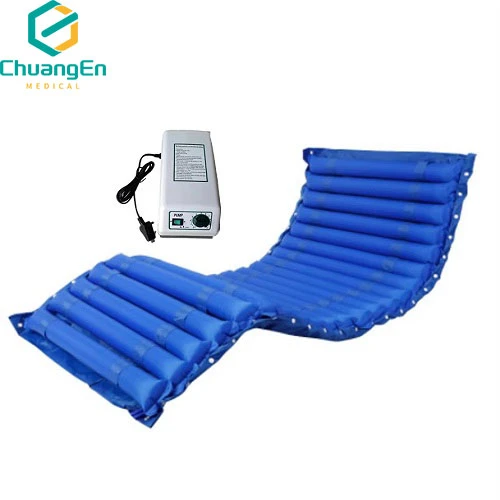
Simply put, a hospital air mattress with pump is a specialized mattress designed with a series of air cells that inflate and deflate automatically to adjust patient pressure distribution. The pump regulates air flow, often alternating pressure across zones, to reduce constant pressure points—those pesky hotspots that lead to ulcers. Think of it as a smart cushion that “breathes” with the patient, keeping blood flowing and skin safe.
They link the worlds of medical engineering, patient comfort, and practical healthcare needs. In post-op rooms, rehabilitation centers, and critical care units, these mattresses are almost indispensable. Modern pumps also come equipped with alarms and adjustable settings, which not only optimize comfort but add critical safety layers.
Core Features of Hospital Air Mattresses with Pumps
1. Pressure Redistribution
The core job is to alternate pressure zones. By inflating and deflating air cells, the mattress prevents prolonged pressure on any single area, the top cause of pressure ulcers.
2. Durability and Hygiene
Materials—typically medical-grade vinyl or polyurethane—make these mattresses easy to clean and resistant to fluids, bacteria, and wear. Durability is critical in busy hospital environments.
3. Adjustable Pump Settings
Pumps are adjustable for patient weight and condition. Some units allow continuous low pressure; others can switch to alternating pressure modes, tailored to severity of patient needs.
4. Noise Level and Energy Efficiency
Quiet operation matters—patients don’t want to be disturbed by a loud pump cycling through the night. Newer pumps blend quietness with energy-conscious designs—a kind of win-win for hospitals managing energy expenses.
5. Portability and Setup
Some models focus on lightweight and easy assembly, which helps in emergency settings or patient transfers.
Mini takeaway: Pressure relief, durability, adjustable pumps, quietness, and portability define what makes a hospital air mattress with pump effective and practical.
Real-World Applications: Where These Mattresses Make a Difference
- Hospitals & Rehabilitation Centers: At the frontline of patient recovery, these mattresses are critical for immobile or long-stay patients.
- Disaster Relief & Field Clinics: In remote or crisis zones, equipment robustness and ease of use are vital.
- Long-Term Care Facilities: Elderly and chronic patients benefit immensely, as persistent pressure ulcers can drastically reduce quality of life.
- Home Care Settings: Portable versions give family caregivers effective, hospital-quality tools.
For example, after Hurricane Katrina, emergency field hospitals put these mattresses to work, reducing complications when hospitals were overwhelmed. Industries like mining or offshore rigs also employ specialized versions to protect injured workers during medical evacuations. It’s oddly amazing how a relatively simple air pump and mattress combo can ripple across so many varied environments.
Product Specification Table
| Feature | Details |
|---|---|
| Air Cells | 18-22 inflatable zones |
| Pump Operation Modes | Alternating, static, low pressure |
| Weight Capacity | Up to 250 kg / 550 lbs |
| Material | Medical-grade, water-resistant PU/Vinyl |
| Noise Level | |
| Power Supply | AC 110-220V, 50/60Hz |
Vendor Comparison: Key Hospital Air Mattress with Pump Providers
| Brand | Price Range | Warranty | Special Features | Customer Rating |
|---|---|---|---|---|
| ChuangEn Medical | $$$ | 2 years | Advanced auto pressure adjustment, low noise | 4.7 / 5 |
| MedAir Solutions | $$ | 1 year | Portable, battery operation optional | 4.2 / 5 |
| HealTech Corp. | $$$$ | 3 years | Smartphone app control, infection-resistant coating | 4.9 / 5 |
Advantages and Lasting Impact of Hospital Air Mattresses with Pumps
Beyond the technical specs and features, these mattresses embody a philosophy of patient-centered care. Proper pressure management has been shown to reduce hospital stays, minimize infection rates, and promote faster recovery. For patients, it means less pain and discomfort — a subtle but profound emotional relief. For hospitals, fewer complications translate into cost savings and improved reputations.
Not to mention, the sustainability aspect is becoming more prominent. Durable, easy-to-clean mattresses reduce the need for frequent replacements and lower infection risks, aligning with greener healthcare goals. Frankly, it’s satisfying when innovation in a product can simultaneously advance patient dignity and environmental responsibility.
Emerging Trends and Innovations Shaping the Future
Industry insiders are buzzing about integrated digital monitoring—mattresses that detect patient movement, vital signs, or even early skin changes, feeding data directly into hospital networks. Combine that with renewable energy-powered pumps or antimicrobial surfaces, and we’re looking at a future where hospital air mattresses do more than provide comfort—they become active participants in care.
Some startups are experimenting with wearable tech integration, where the mattress and patient sensors communicate to optimize therapy. It feels a bit like sci-fi, yet the pieces are coming together fast, especially as hospitals embrace telemedicine and remote monitoring.
Challenges and How Providers Are Tackling Them
Of course, no technology is without flaws. Pumps sometimes fail, mattresses can be costly upfront, and training staff properly is a consistent hurdle. Moreover, usability in low-resource settings remains a challenge, where power outages or lack of replacement parts can reduce effectiveness.
To counter this, manufacturers offer battery backups, modular parts for quick repairs, and increasingly intuitive controls. Also, partnerships with NGOs and health agencies aim to customize solutions fitting the realities of diverse healthcare environments. It’s a work in progress, but certainly promising.
FAQ: Common Questions About Hospital Air Mattress with Pump
Q1: How does a hospital air mattress with pump prevent bedsores?
A1: By cyclically inflating and deflating different sections, the mattress redistributes pressure and improves blood flow, preventing skin breakdown.
Q2: Are these mattresses suitable for all patients?
A2: They are primarily designed for patients at risk of pressure ulcers or with limited mobility but should be selected based on clinical assessment and comfort needs.
Q3: How often should the mattress and pump be maintained?
A3: Routine visual inspections and cleaning after each patient use are standard; pumps usually require servicing every 6-12 months depending on usage.
Q4: Can these mattresses operate without constant power supply?
A4: Many models include battery backup or optional portable pumps designed for environments with unreliable power.
Q5: How do I choose the right air mattress for my healthcare facility?
A5: Consider patient needs, mattress durability, pump features, noise level, and budget. Consulting with suppliers or healthcare professionals is also highly recommended.
Conclusion
The hospital air mattress with pump represents more than just medical equipment — it’s a cornerstone of patient care that blends technology, comfort, and safety. For healthcare providers aiming to improve outcomes while managing costs, these mattresses offer a tangible advantage. Visitors interested in exploring top-tier options and innovations should definitely check out ChuangEn Medical’s offerings— they bring balanced quality and innovation.
In the end, something as “simple” as a mattress can change a patient’s hospital journey. It’s a reminder that healthcare innovation isn’t always flashy—sometimes it’s quietly brilliant.
References & Personal Reflection:
- World Health Organization – Prevention of Pressure Ulcers: https://www.who.int
- ISO 13485 Medical Devices – Quality management systems: https://www.iso.org
- National Pressure Ulcer Advisory Panel (NPUAP): https://npuap.org
Looking back, I’m struck by how often the best solutions in healthcare combine simplicity, empathy, and solid engineering. The hospital air mattress with pump is a great example — a humble technology quietly improving millions of lives.