Understanding the Hospital Bed Pump: A Vital Component for Patient Care Worldwide
When you think of hospital equipment, the hospital bed pump might not be the first thing that comes to mind. Yet, these components quietly play a crucial role in patient comfort and care. Globally, as healthcare demands rise and technology evolves, understanding what makes a hospital bed pump effective can mean the difference between a smooth recovery and complications like pressure ulcers. In fact, across many nations — developed and developing — these devices shape how hospitals manage patient mobility and safety.
Today, we’re diving into what a hospital bed pump really is, why it matters worldwide, and the core factors that influence its value to hospitals and patients alike.
Global Context: Why Hospital Bed Pumps Are More Important Than You Might Think
The World Health Organization estimates that about 10-15% of hospital patients worldwide develop pressure injuries partly due to immobility. These injuries not only cause pain but also prolong hospital stays and inflate costs. In this context, the hospital bed pump is a small but mighty contributor toward prevention.
Hospitals worldwide are shifting to pressure redistribution mattresses that rely on pumps to work. According to recent ISO standards on healthcare equipment safety, electrically powered medical pumps must perform consistently under varying load and temperature conditions — a technical detail that reflects the criticality of these hospital bed pumps in delivering dependable care. Yet, many facilities, especially in low-resource settings, still struggle with unreliable equipment, which makes deploying high-quality and cost-effective hospital bed pumps a pressing challenge.
What Is a Hospital Bed Pump? Breaking It Down
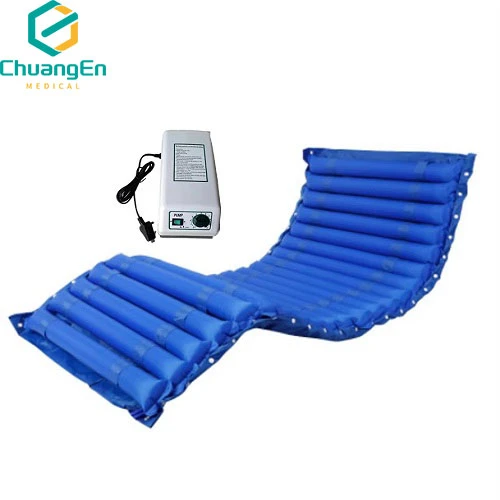
Simply put, a hospital bed pump is a device that inflates and regulates the air pressure in specialized hospital mattresses, often alternating chambers to reduce pressure on vulnerable skin areas. This helps prevent bedsores or pressure ulcers for patients who cannot easily change their position.
Beyond hospitals, these pumps support long-term care centers, rehabilitation facilities, and even home care settings, addressing humanitarian needs where patient mobility is limited. They embody practical medical technology designed to enhance care quality and patient dignity.
Key Components of Hospital Bed Pumps
1. Durability
Hospital bed pumps undergo constant use, so their materials and internal components must resist wear and tear. Pumps that fail or lose pressure can risk patient health, so manufacturers invest in robust motors and airtight chambers.
2. Scalability & Adaptability
Different care settings require pumps that can handle various mattress sizes and pressure zones. Modular design helps hospitals customize solutions to patient needs without buying new beds or mattresses each time.
3. Energy Efficiency
Since some pumps remain active 24/7, energy efficiency reduces operating costs and aligns with hospital sustainability goals. Low power consumption pumps reduce carbon footprint over long-term use.
4. Noise Level
In quiet hospital wards, pumps with minimal noise support better rest and healing by avoiding disruption. Advanced models balance power with whisper-quiet operation.
5. Cost Efficiency
Hospitals must strike a balance between upfront costs and long-term reliability. Cheaper pumps often mean higher maintenance, while premium models justify costs through lower downtime.
Hospital Bed Pump Product Specifications
| Feature | Specification |
|---|---|
| Voltage | 110-240V AC |
| Noise Level | ≤ 30 dB |
| Pressure Range | 20-100 mmHg |
| Cycle Time | 10 minutes (adjustable) |
| Power Consumption |
Global Applications & Use Cases
- In developed urban hospitals: Pumps enable tailored pressure relief technology for long-term ICU patients and post-surgery care.
- Remote and rural clinics: Portable, low-energy pumps support patients where electricity may be unreliable.
- Disaster relief operations: Rapid deployment hospital beds with integrated pumps assist in refugee camps to prevent secondary health issues.
- Home care: Aging populations worldwide use pump-supported mattresses to stay comfortable and mobile.
Oddly enough, even high-traffic areas like emergency rooms benefit from quick-to-restore pumps, as equipment downtime there is costly and dangerous.
Hospital Bed Pump Vendor Comparison Table
| Feature | Vendor A | Vendor B | Vendor C |
|---|---|---|---|
| Price Range | $150 - $200 | $180 - $230 | $140 - $190 |
| Warranty | 2 Years | 3 Years | 1 Year |
| Noise Level | 28 dB | 30 dB | 25 dB |
| Energy Efficiency | High | Moderate | High |
| Portability | Medium | Low | High |
Advantages & Long-Term Value
The best hospital bed pumps offer more than just pushing air. They ensure patient dignity by reducing pain and the risk of pressure ulcers — a huge social and ethical benefit. Operationally, their durability cuts down on costly repairs and replacements, which, frankly, every hospital admin appreciates. Plus, energy-efficient models lower electricity costs, aligning with the global push for greener healthcare facilities.
Safety is another angle — reliable pumps contribute to consistent therapy, so staff can focus more on patient engagement rather than troubleshooting faulty equipment. It’s a quiet form of innovation that builds trust between caregivers and patients over time.
What’s Next? Future Trends & Innovations
The future of hospital bed pumps includes smart technology integration — we’re seeing pumps embedded with sensors that track pressure changes and alert nurses to needed adjustments. This minimizes human error and speeds reaction times.
Material science is also advancing: new pumps come with antimicrobial coatings to reduce infection risks or use biodegradable components to tackle medical waste. Green energy usage is on the rise, with solar-powered pump options under development, especially for remote clinics.
Challenges & Solutions
Common challenges include pump noise, power interruptions, and variable patient weights complicating pressure settings. Solutions range from inverter-based energy backups to AI-driven pressure calibration algorithms. Manufacturers often collaborate with clinicians to refine designs iteratively, which has steadily improved reliability and patient outcomes over the past decade.
FAQ: Frequently Asked Questions About Hospital Bed Pumps
- Q: How often should a hospital bed pump be serviced?
A: Generally, pumps require servicing every 12 to 18 months to ensure efficiency and safety. Some hospitals perform quarterly checks to catch early wear signs, which reduces downtime. - Q: Can hospital bed pumps be used with all types of pressure mattresses?
A: Most pumps are designed for compatibility with standard alternating pressure mattresses, but always verify model specifications. Some advanced mattresses need proprietary pumps for optimal performance. - Q: Are there portable hospital bed pumps for home use?
A: Yes, portable and lightweight pumps exist specifically for home care, focusing on quiet operation and battery backup for mobility-impaired patients at home. - Q: What factors should hospitals consider when purchasing bed pumps?
A: Durability, noise level, energy efficiency, compatibility with mattresses, and warranty terms should guide purchase decisions. Vendor support and spare parts availability also matter a lot.
Conclusion
Understanding hospital bed pumps reveals a fascinating intersection of medical technology, patient care, and global health priorities. Their role in preventing pressure ulcers, improving patient comfort, and reducing hospital costs positions them as unsung heroes in healthcare infrastructure. If you’re involved in medical facilities management or procurement, exploring hospital bed pump options with these factors in mind can yield real, lasting benefits.
Visit our website to explore high-quality hospital bed pumps designed for diverse care settings and to learn more about advancing patient care technology.
Well, that’s the scoop on hospital bed pumps — sometimes it’s the small things that keep the wheels of healthcare turning smoothly.
Mini Takeaways
- Hospital bed pumps are vital for pressure ulcer prevention and patient comfort worldwide.
- Key aspects to consider include durability, noise, energy efficiency, and compatibility.
- Emerging trends focus on smart sensors, sustainability, and portability.
- Choosing the right pump involves balancing cost, reliability, and clinical needs.