Why Hospital Beds to Prevent Pressure Sores Matter More Than Ever
Pressure sores — or pressure ulcers, if you're fancy — are a silent, stubborn enemy in healthcare settings worldwide. They arise when patients remain immobile for long periods, causing skin breakdown that can spiral into infections or worse. It’s a problem that costs billions globally, strains healthcare systems, and, frankly, causes needless suffering.
That’s where hospital beds to prevent pressure sores come in. These beds aren’t just furniture; they’re crucial medical tools designed to enhance patient comfort and reduce complications. Understanding them means better patient outcomes, smarter procurement, and a tangible uplift in care quality. In short, they’re a quiet revolution in hospitals and care centers globally.
Global Perspective: The Urgency Behind Pressure Ulcer Prevention
According to the World Health Organization, pressure ulcers affect upwards of 10% of hospitalized patients worldwide, with prevalence even higher in long-term care facilities. Costs? They can reach up to 2.5 billion USD annually in some countries — money mostly from extended stays, treatments, and sometimes litigation.
The UN’s aging population report underscores another fact: as populations age, immobility-related complications like pressure sores will dramatically increase. It’s not merely a medical issue; it’s a humanitarian and economic crisis in waiting.
The problem? Many healthcare settings still use standard beds that simply don’t support pressure redistribution effectively. Enter specialized hospital beds designed to combat this head-on.
Mini takeaway: Pressure ulcer prevention isn’t luxury — it’s a global healthcare imperative demanding smart, evidence-based solutions.
What Are Hospital Beds to Prevent Pressure Sores — Simply Put?
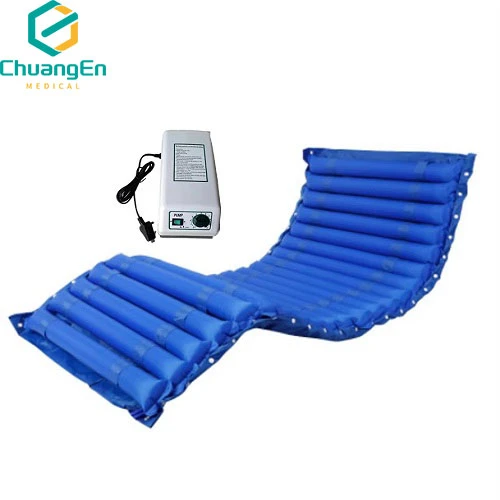
At their core, these beds feature designs and materials that minimize prolonged pressure on vulnerable skin areas. Think: adjustable surfaces that redistribute weight, built-in air or foam mattresses with specialized pressure-relieving properties, and sometimes even sensors for patient movement.
They blend engineering, medical science, and patient comfort into one package. More than just a place to lie down, they’re prevention in action.
Today, these beds are indispensable in ICUs, rehabilitation centers, and long-term care facilities — places where immobility is the norm and pressure ulcers strike hardest.
Key Features That Make These Beds Work
1. Pressure Redistribution Technology
This includes the use of alternating pressure mattresses, low-air-loss surfaces, or dynamic foam that sensibly shifts body weight to prevent localized stress. Without this, constant pressure would starve tissues of blood and oxygen, causing sores.
2. Adjustability and Mobility
Beds are built to adjust angles for heads, legs, and hips, allowing caregivers to reposition patients easily. The ability to tilt or raise certain sections helps in lowering shear forces, another culprit behind skin breakdown.
3. Durability and Hygiene
Because these beds see heavy use, materials must withstand thorough cleaning without degrading. Resistant surfaces reduce infection risks — a vital feature since ulcers can become entry points for systemic infections.
4. User-Friendly Interface
Caregivers benefit from simple controls and quick access to adjustments — time is critical during patient care, and fumbling with complicated controls can waste it.
5. Cost Efficiency Over Use Life
While pricier upfront than normal beds, the reduction in pressure sore incidence often means huge savings on treatments, additional hospital days, and patient discomfort. Hospitals often see a quick return on their investment.
Product Specification Table
| Feature | Specification | Benefit |
|---|---|---|
| Adjustable Height | 40 - 80 cm | Easy patient transfer and repositioning |
| Pressure Relief Mattress | Alternating air cell system with low-air-loss | Minimizes pressure points, promotes skin health |
| Weight Capacity | Up to 225 kg | Suitable for a broad patient base |
| Control System | Remote and manual | Flexible and quick operation |
| Material | Antimicrobial coated steel frame | Infection control & durability |
Mini takeaway: Well-rounded beds marry technology and human factors to make a difference where it counts.
Global Use Cases: Who Relies on These Beds?
From sprawling urban hospitals in Europe and North America to rural clinics in Asia and Africa, hospital beds designed to prevent pressure sores are vital. Post-disaster field hospitals in places hit by floods or earthquakes often deploy these beds, recognizing that immobile patients risk ulcers even in short-term stays.
Long-term care facilities for the elderly are another major user, especially in countries with aging populations like Japan or Germany. Even home care providers for paralyzed patients increasingly demand these beds.
- Emergency Relief: in refugee camps or disaster zones, these beds reduce secondary complications.
- Rehabilitation Centers: accommodating spinal injury patients who cannot reposition independently.
- Hospitals worldwide: enhanced ICU beds with pressure redistribution features have become a standard.
How Do Hospital Beds to Prevent Pressure Sores Deliver Long-Term Value?
It’s more than just cost savings, though that’s important. Consider the dignity it affords patients — nobody likes to endure painful ulcers or the stigma attached. The beds foster trust between patients and caregivers, who can attend to comfort proactively.
On a pragmatic level, these beds reduce time lost to treating complications, enabling hospitals to manage workflows more efficiently. Some engineers I've spoken with call them a “quiet-but-mighty” part of healthcare innovation. It feels like small tech, big impact.
Future Trends: What’s Next in Pressure Sore Prevention?
Advances are underway that blend digital tech and sustainability:
- Smart Sensors: embedded micro-sensors that alert staff when patients haven’t moved enough.
- Eco-friendly Materials: use of biodegradable foams and recycled metal frames.
- Connected Care: integration with hospital networks for automatic logging and report generation.
- Robotics: automated repositioning systems in beds to minimize caregiver strain.
Frankly, it feels like the beds are becoming smarter caregivers in their own right — and greener too.
Challenges & Practical Solutions
Despite advances, costs remain a hurdle, especially in lower-income countries where budget constraints are severe. Plus, training staff to use all the bed’s features efficiently is often overlooked.
Some ingenious approaches have emerged: modular designs that can be upgraded rather than replaced, leasing programs for hospitals to spread costs, and clear, intuitive training apps.
Also, partnerships between governments, NGOs, and manufacturers have been crucial to deploy these beds in under-resourced areas.
Vendor Comparison Table
| Feature | Brand A | Brand B | Brand C |
|---|---|---|---|
| Price | $3,500 | $4,200 | $3,900 |
| Mattress Type | Alternating Air Cells | Gel Foam | Low-Air-Loss |
| Weight Capacity | 225 kg | 200 kg | 250 kg |
| Includes Sensors | Yes | No | No |
| Warranty | 5 years | 3 years | 4 years |
FAQs About Hospital Beds to Prevent Pressure Sores
Q1: How do hospital beds help in preventing pressure sores?
A: These beds use specialized mattresses and adjustable surfaces to reduce pressure on vulnerable skin areas, improving blood flow and preventing tissue damage. Often, they incorporate alternating pressure systems that shift contact points regularly.
Q2: Can these beds be used at home for long-term care?
A: Absolutely. Many models are designed with home use in mind, featuring user-friendly controls and safety standards matching hospitals. They help caregivers manage patient positioning effectively and reduce ulcer risk at home.
Q3: Are hospital beds to prevent pressure sores expensive?
A: They typically cost more upfront than standard hospital beds due to their advanced features. However, reduced treatment costs from pressure ulcer prevention often offset the initial investment over time.
Q4: How important is staff training in using these beds?
A: Very important. Proper training ensures caregivers use all adjustments and features correctly to maximize prevention. Many manufacturers provide training materials or sessions tailored to healthcare providers.
Q5: Where can hospitals source reliable hospital beds to prevent pressure sores?
A: Trusted suppliers like hospital beds to prevent pressure sores offer vetted products with warranties, training support, and after-sales service. Partnering with reputable vendors ensures quality and compliance.
Wrapping Up: A Small Investment with Massive Impacts
Hospital beds to prevent pressure sores represent an intersection of technology, patient care, and thoughtful design. They help sustain patient dignity, reduce costly complications, and support overburdened healthcare professionals. While not a panacea, their role in modern care settings is undeniable and growing.
If your facility or practice wants to upgrade patient care smartly, it’s worth exploring these beds further. Better prevention means better lives.
Visit us to discover more at hospital beds to prevent pressure sores.
References:
1. World Health Organization - Pressure Ulcers Fact Sheet
2. United Nations Department of Economic and Social Affairs - Aging Report 2022
3. ISO 13485 - Medical devices — Quality management systems