Hands-on look: CZY-Y04 Hydraulic Disabled Patient Transfer Chair With Commode
If you’ve ever had to move a loved one from bed to wheelchair at 6 a.m., you know the stakes. A good patient lift and transfer chair can mean fewer injuries, less stress, and frankly, a better day for everyone. I spent time with Chuangen Medical’s CZY-Y04, built in Shijiazhuang, Hebei (No.65, Tiangui Street, High-Tech Zone), and—spoiler—it’s thoughtfully engineered for real-world use.
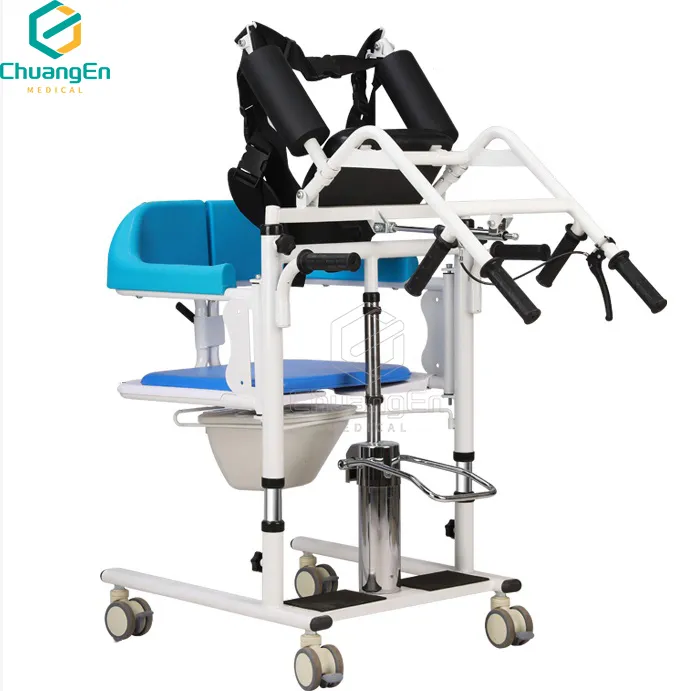
Why this category is heating up
With aging populations and caregiver shortages, facilities are under pressure to reduce manual lifts. In fact, many hospitals now standardize on mechanical aids to lower musculoskeletal injuries, and home-care providers are catching up. The trend is toward compact, maneuverable devices that clear low beds and fit around commodes—exactly where a patient lift and transfer chair shines. To be honest, I didn’t expect the 180° opening frame to matter so much, but it let us straddle bulky recliners without drama.
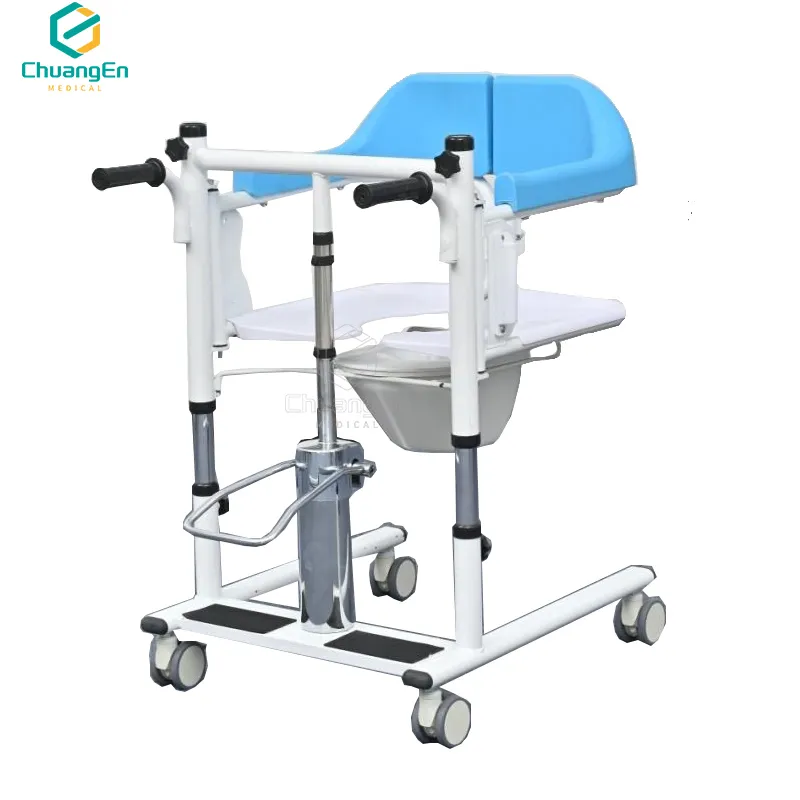
CZY-Y04 at a glance
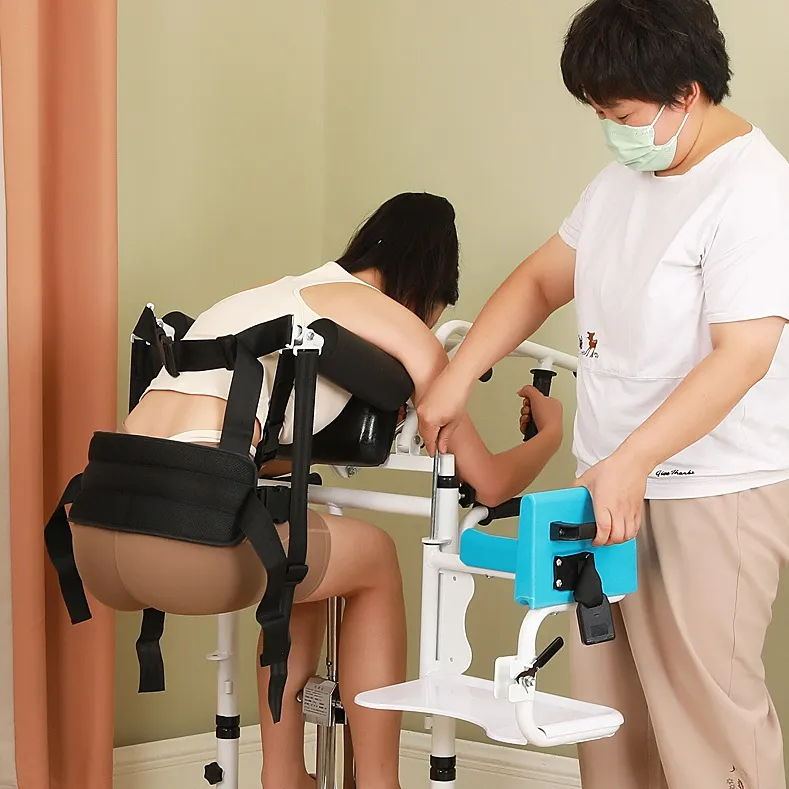
Hydraulic lift, integrated commode, and an auxiliary lift bracket—simple on paper, but the execution feels sturdy. The free height adjustment is smooth and predictable; no jerky climbs that make users nervous. And yes, minimum order is 1 piece, which is great for families testing the waters.
| Model | CZY-Y04 Hydraulic Disabled Patient Transfer Chair With Commode |
| Rated load | ≈150 kg (real-world use may vary) |
| Lift range | ≈42–72 cm seat height (hydraulic) |
| Frame / finish | Powder-coated steel, corrosion-resistant |
| Opening angle | 180° open base (fits beds, sofas, toilets) |
| Commode | Integrated pail, splash guard, easy-clean surfaces |
| MOQ | 1 pcs |
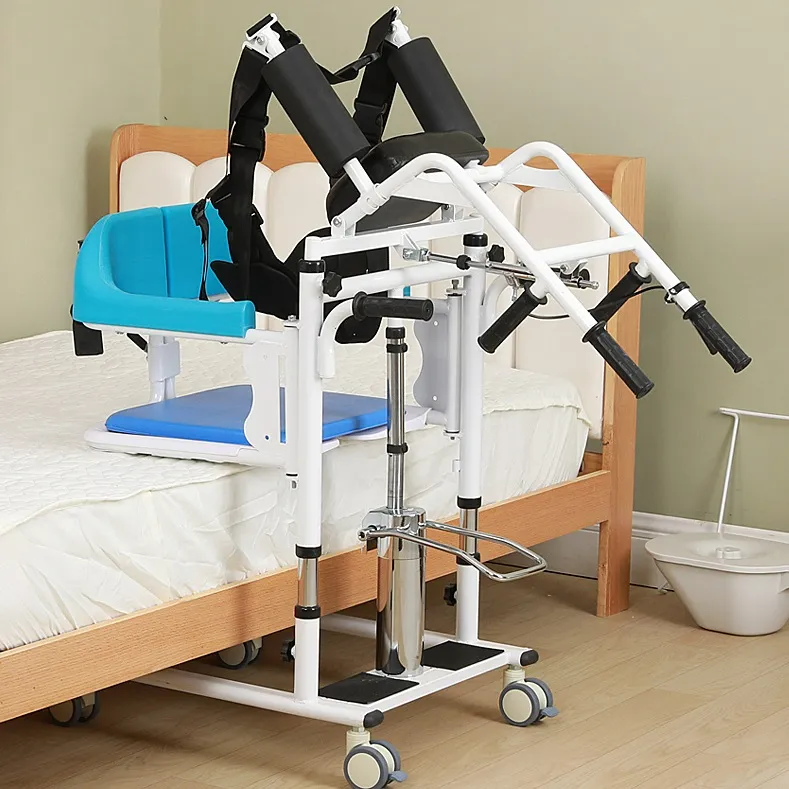
Materials, methods, and testing
Build process (short version): precision-welded steel frame, phosphate pre-treatment, thick powder coat, PU seat/back, sealed hydraulic cylinder. Each cylinder is leak-tested; frames undergo static load tests at 1.5× rated capacity and endurance cycling to ≈10,000 lifts. The company references ISO 10535 for hoists and EU MDR conformity; some buyers also request CE documentation and risk management files. Service life? Around 5–7 years with routine checks on casters, brakes, and the cylinder. It’s the kind of patient lift and transfer chair you can maintain without a PhD—grease points are accessible.
Where it fits best
- Home care: narrow hallways, low platform beds, tiled bathrooms.
- Hospitals & rehab: wards, dialysis, imaging—quick bed-to-chair turns.
- Long-term care: daily toileting and shower transfers with less strain.
Mini case studies: A Hebei home-care client cut two-person lifts by half in week one; one nurse told me, “it’s the first time my back didn’t ache after the morning routine.” A Midwest rehab clinic reported faster toileting cycles and fewer near-miss slips after switching to a patient lift and transfer chair with a 180° open base.
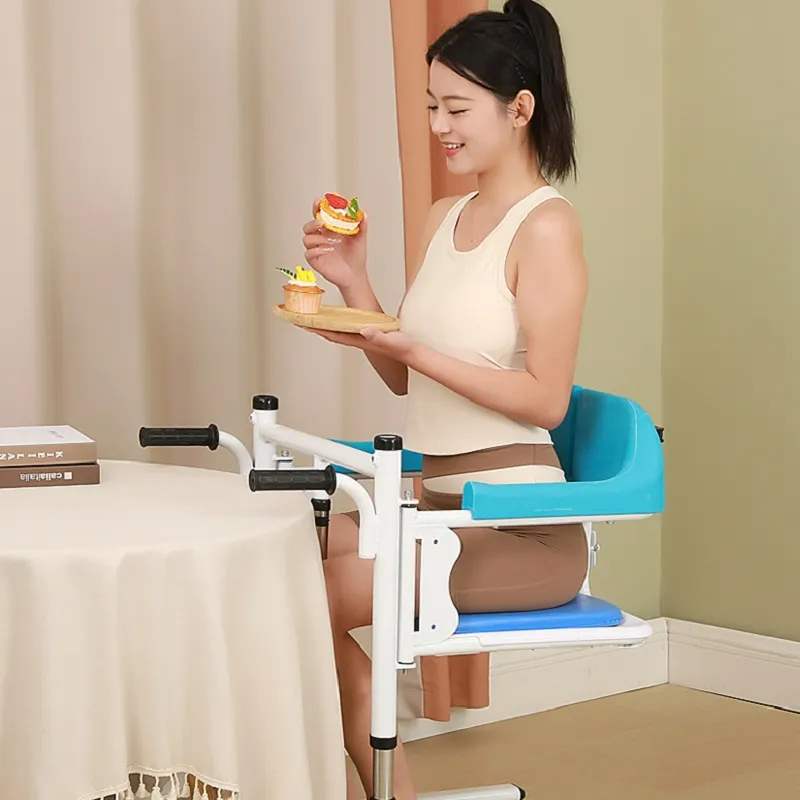
Vendor snapshot: how CZY-Y04 stacks up
| Vendor | Compliance | Key Feature | Lead time | Price band |
|---|---|---|---|---|
| Chuangen CZY-Y04 | ISO 10535 ref., CE docs on request | 180° open base + commode | ≈15–25 days | Mid |
| Brand A (electric) | ISO 10535, MDR | Powered actuator, no commode | ≈30–45 days | High |
| Brand B (budget) | Basic factory QA | Fixed base, limited clearance | Stock-dependent | Low |
Customization and options
Popular tweaks: wider seat, anti-bacterial upholstery, upgraded casters, removable armrests, and additional belts. Some facilities ask for color-coding by ward (makes sense). If you need a patient lift and transfer chair tailored for bariatric use, confirm reinforced frames and cylinder specs up front.
Field notes and quick checklist
Caregivers told me the brake pedals are glove-friendly and the transfer feels stable—no wobble at full height. A couple of users wished for a softer headrest, which, fair point, is an easy add-on.
- Measure bed clearance and toilet spacing—confirm the 180° open base fits.
- Ask for test certificates (load, endurance) referencing ISO 10535.
- Plan maintenance: casters, brakes, cylinder seal checks every 6–12 months.
- Train caregivers; even the best patient lift and transfer chair needs good technique.
Authoritative citations
- ISO 10535: Hoists for the transfer of disabled persons—Requirements and test methods.
- WHO: Rehabilitation in health systems—assistive products and safe patient handling guidance.
- NIOSH/CDC: Occupational safety in patient handling and movement—injury reduction strategies.