Inside the CZY-Y04 Hydraulic Disabled Patient Transfer Chair With Commode
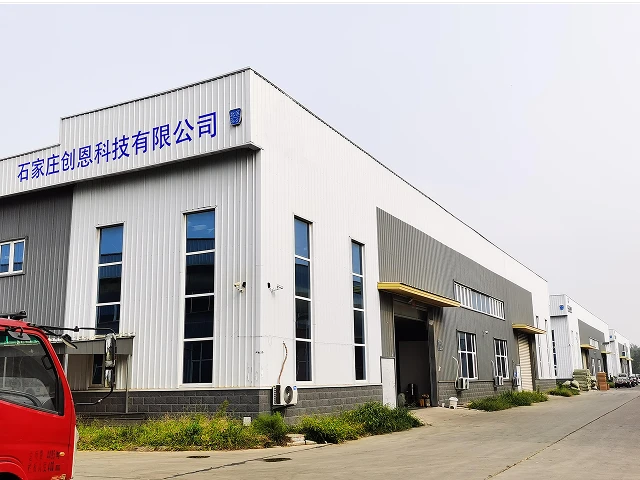
I’ve spent a fair bit of time in facilities and family homes where a safe patient lift and transfer chair makes the difference between a calm morning and a stressful one. The CZY-Y04—built by Chuangen Medical in Shijiazhuang, Hebei—has been popping up in my notes lately, mostly because it targets a real-world gap: single-caregiver transfers with dignity, not drama.
What’s shifting in the market
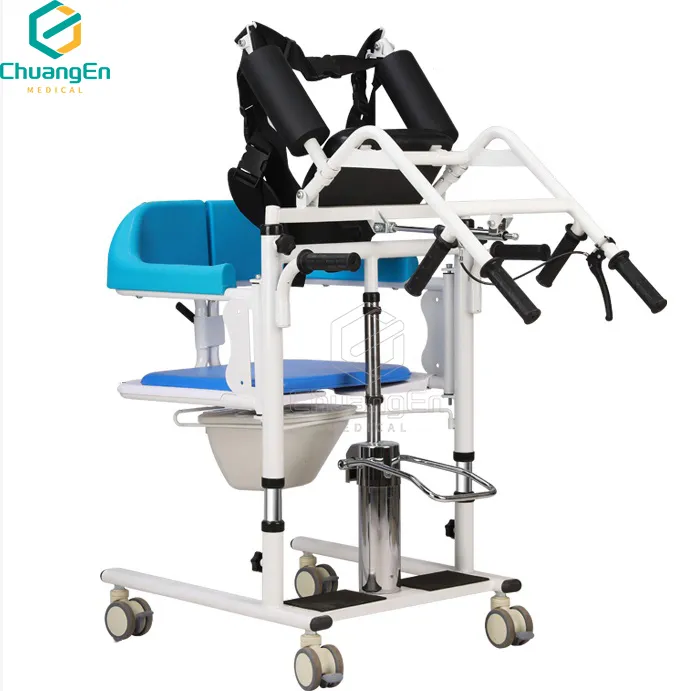
Demand is trending toward compact, furniture-friendly frames, hydraulic reliability (no charging anxiety), and quick height adjustment. Honestly, battery hoists are great, but many home users tell me they prefer a hydraulic unit that “just works.” The CZY-Y04’s 180° opening frame and commode kit nudge it into the “do-more-with-less” camp. MOQ is 1 piece, which is refreshingly practical for small clinics and families.
Specs that matter (and why)
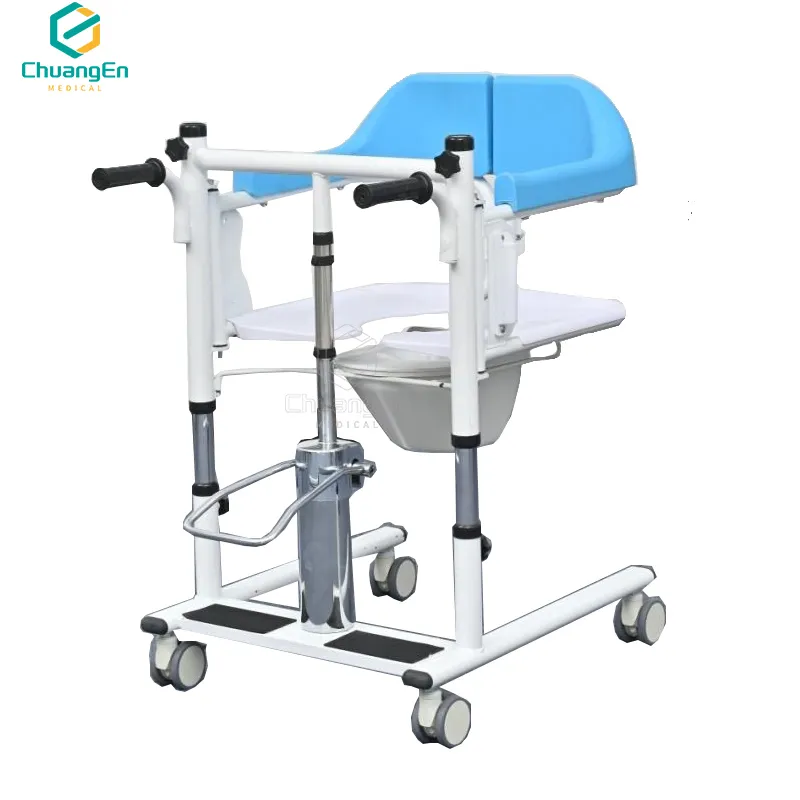
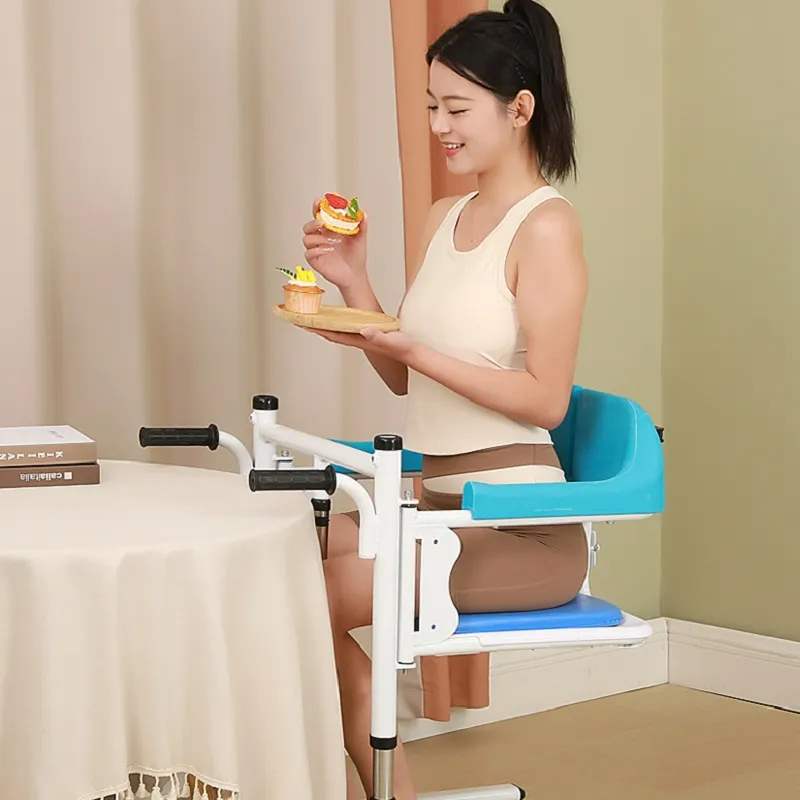
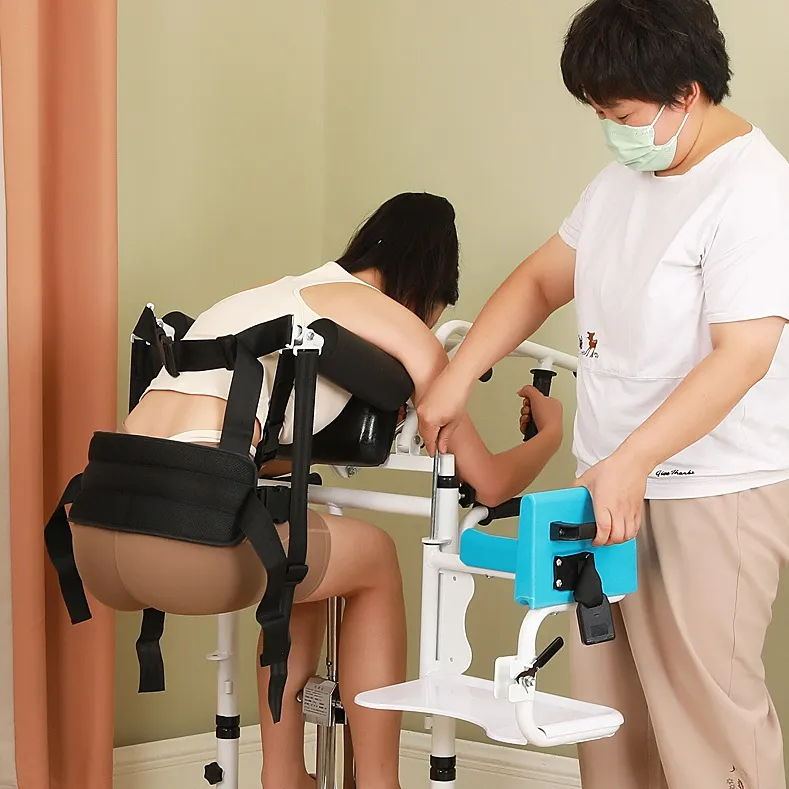
Product: CZY-Y04 Hydraulic Disabled Patient Transfer Chair With Commode. Origin: No.65, Tiangui Street, High Technology Industrial Development Zone, Shijiazhuang, Hebei, China. Core features: auxiliary lift bracket, easy transfer for bedridden patients, free height adjustment, 180° open to fit beds/sofas/wheelchairs, commode compatible.
| Parameter | CZY-Y04 (reference) | Notes |
|---|---|---|
| Rated load | ≈ 120–150 kg | Verify config; real-world use may vary |
| Lift range | ≈ 250–320 mm | Hydraulic free adjustment |
| Frame opening | 180° | Fits beds/sofas/commode |
| Materials | Powder-coated steel, PU upholstery | Corrosion-resistant finish |
| Casters | Locking rear, medical-grade | Non-marking wheels |
| Commode | Included, removable | Hygiene-friendly design |
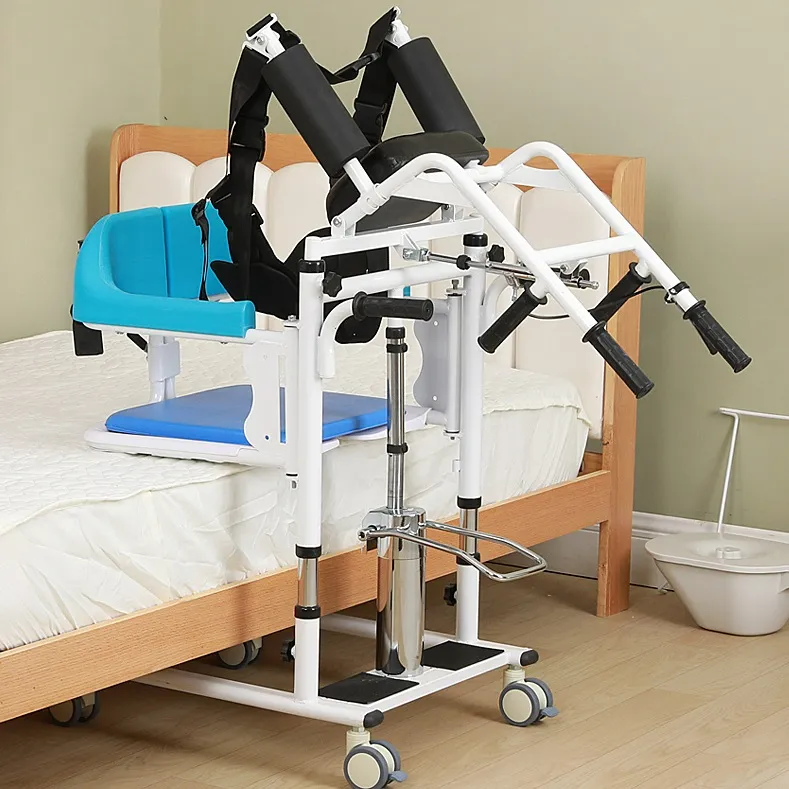
In daily language: it’s a compact, hydraulic patient lift and transfer chair that rolls under many bed frames, then locks, lifts, and pivots without scuffing floors.
Applications, advantages, feedback
- Home care: bedside to toilet in narrow halls—caregivers say it “saves backs.”
- Hospitals and rehab: short transfers during therapy sessions.
- Long-term care: routine toileting with fewer staff touches improves dignity.
Pros: tool-free daily use, 180° opening, commode convenience. Cons? Not for bariatric needs beyond its rating; and like any hydraulic unit, seals deserve periodic checks.
Vendor snapshot (how it stacks up)
| Vendor | Drive | Typical price | Lead time | Certs (on request) |
|---|---|---|---|---|
| Chuangen CZY-Y04 | Hydraulic | Mid-range | Stock/short | ISO 13485, CE MDR, ISO 10535 |
| Generic Import A | Hydraulic | Low | Variable | Basic docs only |
| Electric Hoist B | Powered | Higher | Standard | Broad (incl. IEC 60601-1) |
How it’s built and verified
Materials: powder-coated steel chassis, PU seat/back, medical-grade casters, hydraulic pump with auxiliary lift bracket. Methods: MIG welding, phosphate pretreatment, electrostatic powder-coat, torque-verified fasteners. Testing (typical): static proof at 1.5× rated load, fatigue cycling ≈10,000 lifts, caster brake hold test on vinyl/epoxy floors, corrosion spray per ISO 9227. Reference standards: ISO 10535 hoists for transfer of disabled persons; EN 12182 assistive products. Expected service life: ≈5–7 years with scheduled maintenance (seals, pivots, brakes).
Field notes and a quick case
A small urban rehab (two therapists, six beds) swapped a bulky sling hoist for this patient lift and transfer chair. Transfers per day went from 8 to 14, caregiver strain reports dropped, and yes—hallway bottlenecks eased. Not a randomized trial, but the staff were pretty vocal about the time saved.
Customization, compliance, and buying tips
- Options: seat widths, soft cushions, IV pole, colorways, waterproof covers.
- Docs to request: ISO 13485 QMS, ISO 10535 test report, CE MDR Declaration; some regions may also ask for FDA establishment listing.
- Acceptance tests: load verification to user weight, brake hold on your floor type, doorway clearance, commode fit check.
Bottom line: if you need a nimble, hydraulic patient lift and transfer chair with commode function and an MOQ of 1, the CZY-Y04 hits a practical sweet spot.
Citations
- ISO 10535: Hoists for the transfer of disabled persons—Requirements and test methods.
- EN 12182: Assistive products for persons with disability—General requirements and test methods.
- EU MDR 2017/745: Medical Device Regulation—Conformity and technical documentation.
- IEC 60601-1: Medical electrical equipment—General requirements for basic safety (relevant for powered variants).