Pressure Sore Bed Mattress: A Game Changer for Patient Comfort
Working in the industrial equipment sector, I've seen my fair share of medical devices come and go. But something about pressure sore bed mattresses has always caught my attention – not just because of their technical specs, but the real-life impact they have on patient wellbeing. It’s easy to forget that something as seemingly simple as a mattress can make or break the recovery experience for someone confined to bed.
Oddly enough, the evolution of these mattresses is quite fascinating. From basic foam blocks to highly engineered, multi-layered systems designed to distribute weight evenly, there's been a lot of progress made. And for good reason: pressure sores, or ulcers as they're sometimes called, can be more than just uncomfortable—they can lead to serious complications.
What Makes a Pressure Sore Bed Mattress Different?
In my experience, the most critical factor is pressure redistribution. If you think about it, when a patient lies in one position for too long, certain areas—especially bony prominences like hips and tailbones—bear the brunt of body weight. This results in restricted blood flow and, eventually, tissue damage. A pressure sore bed mattress uses advanced materials and design to tackle this exact problem.
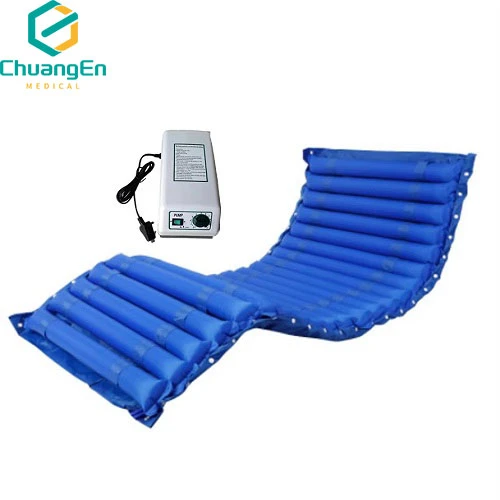
Most models combine closed-cell high-resilience foam with a breathable cover. Some even feature alternating pressure systems with air chambers that cyclically inflate and deflate, which many nurses swear by. I’ve seen these in action in rehab clinics—the patient comfort level visibly improves, and the incidence of new pressure sores drops.
Manufacturers are also increasingly focusing on easy maintenance. Removable, waterproof, and antimicrobial covers are practically a must these days given infection control is paramount in healthcare facilities.
| Specification | Details |
|---|---|
| Mattress Type | Alternating Pressure + Foam Hybrid |
| Material | High-Density Viscoelastic Foam + TPU Air Cells |
| Cover | Waterproof, Breathable PU with Anti-microbial Coating |
| Weight Capacity | Up to 350 lbs (160 kg) |
| Dimensions | 80" x 36" x 8" standard (custom sizes available) |
| Power Source (if applicable) | AC Adapter, 12V DC (for alternating pressure models) |
| Warranty | 3 Years on Mattress, 1 Year on Pump Unit |
Finding the Right Partner: Vendor Comparison
From what I’ve come across in both institutional and homecare markets, choosing the right supplier makes a massive difference. There are a handful of big players but a couple stand out—especially when looking at quality, service, and customization options.
| Manufacturer | Product Range | Customization | Warranty | Lead Time |
|---|---|---|---|---|
| Chuangen Medical | Foam, Alternating Pressure, Hybrid Mattresses | OEM & Size Options Available | 3 Years on mattresses, 1 Year on pumps | 4-6 Weeks |
| Company B | Foam & Gel Mattresses | Limited Custom Sizes | 2 Years Warranty | 6-8 Weeks |
| Company C | Alternating Pressure Only | Standard Sizes Only | 1 Year Warranty | 3-4 Weeks |
I recall a hospital administrator telling me how switching mattresses from a well-reviewed supplier like Chuangen Medical helped them reduce patient turnover time in recovery units. That was in part due to the fewer complications from pressure wounds, obviously, but also because the staff didn’t have to spend extra time managing sore patients – a win-win, really.
All in all, investing in a quality pressure sore bed mattress is not just a matter of comfort but a solid clinical decision. The right setup can mean fewer hospital readmissions and a better quality of life for patients.
If you’re in the market for these specialized mattresses, keep an eye on materials, warranty, and supplier support. I always say it’s better to pay a bit more upfront than face headaches (and worse, patient suffering) down the line.
— A longtime observer and occasional user in medical equipment circles.
References & Reading
- National Pressure Injury Advisory Panel (NPIAP) Guidelines
- Chuangen Medical Product Specifications & Certifications
- Interviews with clinical staff at rehab facilities (2023)