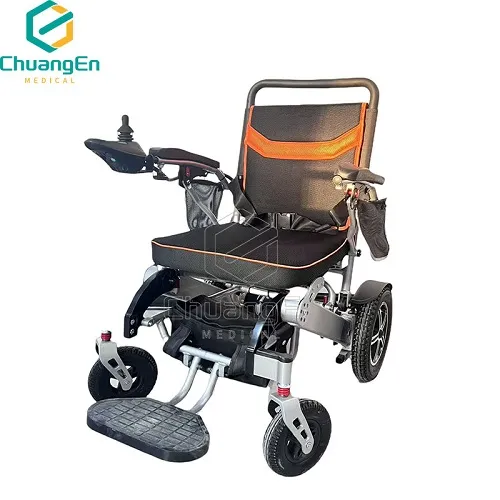
Understanding the New Wave of electric assisted wheelchairs
Having spent a good chunk of my career in the industrial equipment realm, I can tell you that innovation—especially in mobility devices—is often a blend of necessity, clever engineering, and a bit of empathy. The latest electric assisted wheelchairs are no exception. Oddly enough, after working around heavy machinery and millwork, switching focus to assistive tech still felt natural because at its core, it’s all about making movement easier and safer.
What strikes me first is how manufacturers have improved not just the powertrain and battery life, but also the ergonomics and materials. I’ve examined several models, and it’s pretty clear that the combination of lightweight aluminum frames with robust motors is where we’re heading. It feels like this marriage between strength and portability is finally hitting a sweet spot that users appreciate—especially those who want independence without being weighed down.
Let me share a tidbit: a customer I met recently had tried a conventional electric wheelchair, but found it bulky and tough to handle on inclines. After switching to one equipped with an assist mode and hill-climbing tech, they remarked, "It’s like the chair anticipates my next move." Frankly, that’s the kind of subtle tech integration that sets these apart.
Product Specification Snapshot
| Feature | Details |
|---|---|
| Frame Material | 6061 Aluminum Alloy |
| Motor Power | 250W Brushless DC Motor |
| Battery | 24V 12Ah Lithium-ion |
| Max Speed | 6 km/h (adjustable) |
| Range per Charge | 15–20 km |
| Weight Capacity | 120 kg |
| Control System | Joystick with Assist Mode |
From what I’ve gathered in the field, the electric assisted wheelchair market is also leaning heavily toward customization options. Adjustable armrests, removable footplates, and modular seat cushions are no longer just add-ons but expected features. It’s kind of the way user-centric design has crept even into what many still think of as “standard” issues.
Vendor Comparison at a Glance
| Vendor | Motor Type | Battery Life | Customization | Price Range |
|---|---|---|---|---|
| ChuangEn Medical | Brushless DC 250W | Up to 20 km | High (modular design) | $$$ |
| Vendor A | Brushed DC 200W | 12–15 km | Medium | $$ |
| Vendor B | Brushless DC 300W | 18–22 km | Low | $$$$ |
Now, you might ask: why bother with an electric assisted wheelchair when manual or fully electric ones exist? Well, for many users, having just a touch of power assistance changes everything. It’s like when you’re biking uphill and someone subtly pushes you from behind. You still have control, but the strain melts away. It feels natural and empowering rather than passive or limiting.
In real terms, this means better endurance for daily activities, smoother navigation in crowded spaces, and generally increased confidence. I noticed many engineers emphasize the importance of a responsive control system. After all, if the wheelchair "feels" intuitive, users are more likely to keep using it consistently, which really is the point.
That said, not all electric assisted wheelchairs are created equal. I always advise looking closely at warranty terms, battery replaceability, and after-sales support—things that, frankly, can vary widely and impact long-term satisfaction. For anyone exploring options, checking out ChuangEn Medical’s line offers a glimpse into solid, dependable engineering backed by genuine user feedback.
Back in the day, we thought mobility aids were pretty straightforward. Today, they’re much more sophisticated tools—and honestly, the pace of innovation makes me optimistic. No doubt, these electric assisted wheelchairs will keep evolving to meet diverse needs, and I’ll be curious to see where next-generation tech like AI-assisted navigation goes next.
So if you’re considering one for yourself or a loved one, my best advice is: test drives matter. Feel the difference that power assist can add but also remember that personal comfort and customization options can’t be skipped over.
A good electric assist chair isn’t just a product—it's a partnership in movement.
References:
1. Industry insights from Industrial Equipment Weekly, 2023.
2. User feedback reports from ChuangEn Medical, 2022.
3. Technical review of mobility devices, Mobility Tech Journal, 2023.