If you’re comparing transport chairs for sale right now, you’ve probably noticed the category is evolving fast—hybrid lift-commode frames, hydraulic assists, and wider base openings are quietly becoming the norm. I’ve toured a few factories and, to be honest, the difference between a decent transfer chair and one you’ll keep for years often comes down to frame engineering and honest load testing.
What’s trending this year
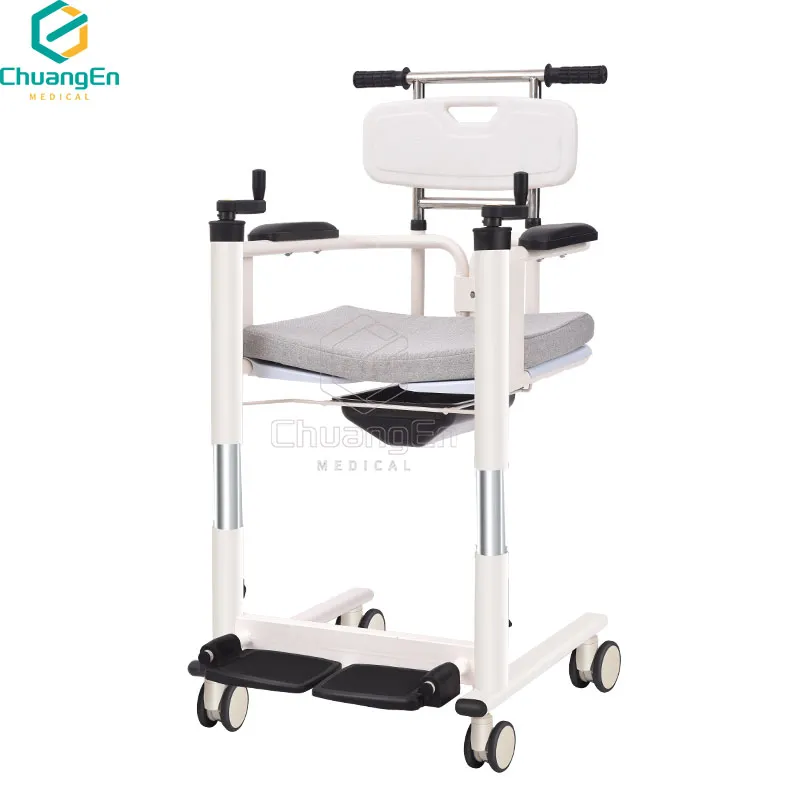
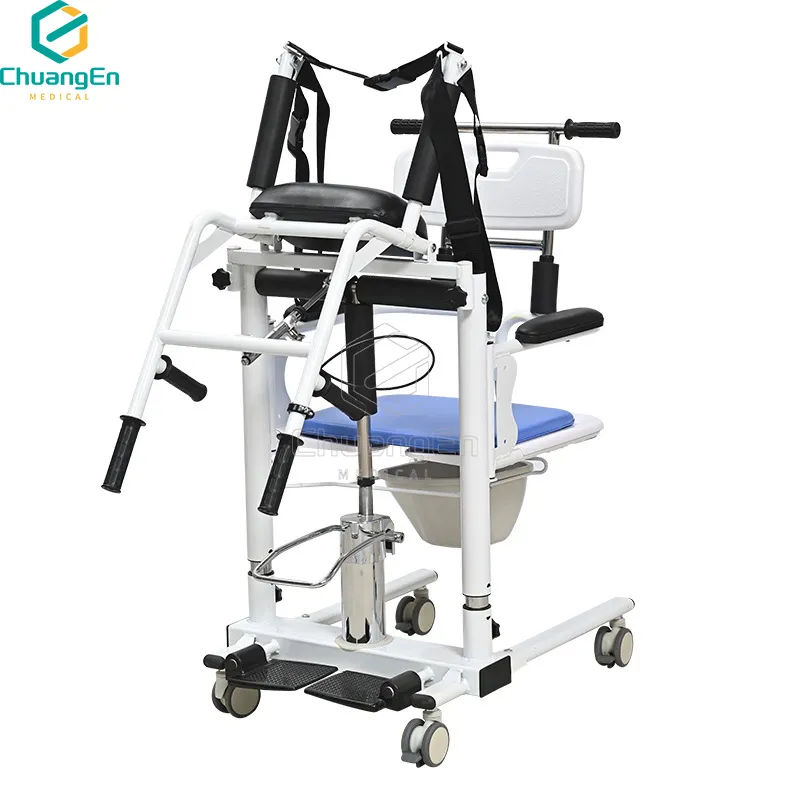
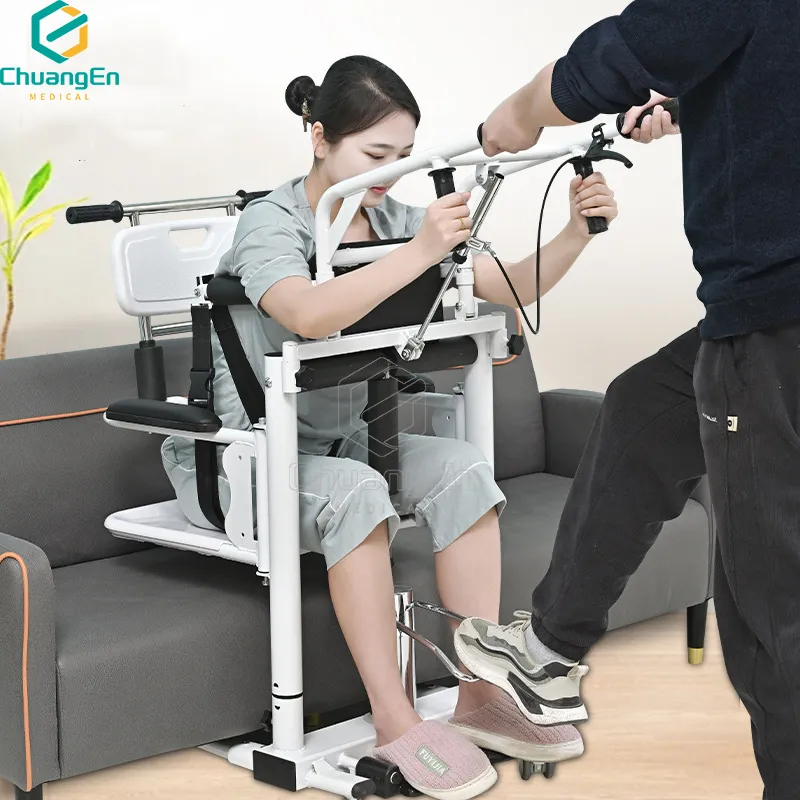
Two big shifts: hospitals and home-care agencies want fewer lifts that do more, and families want compact units that slide around furniture without drama. Hybrid designs like the CZY-Y06 hydraulic transfer chair with commode cut the need for separate sling lifts in routine bedside-to-chair moves—actually reducing caregiver strain and floor space clutter. Demand spikes usually follow funding cycles and seasonal discharges, but overall, mobility aids are on a steady climb as aging-in-place becomes mainstream.
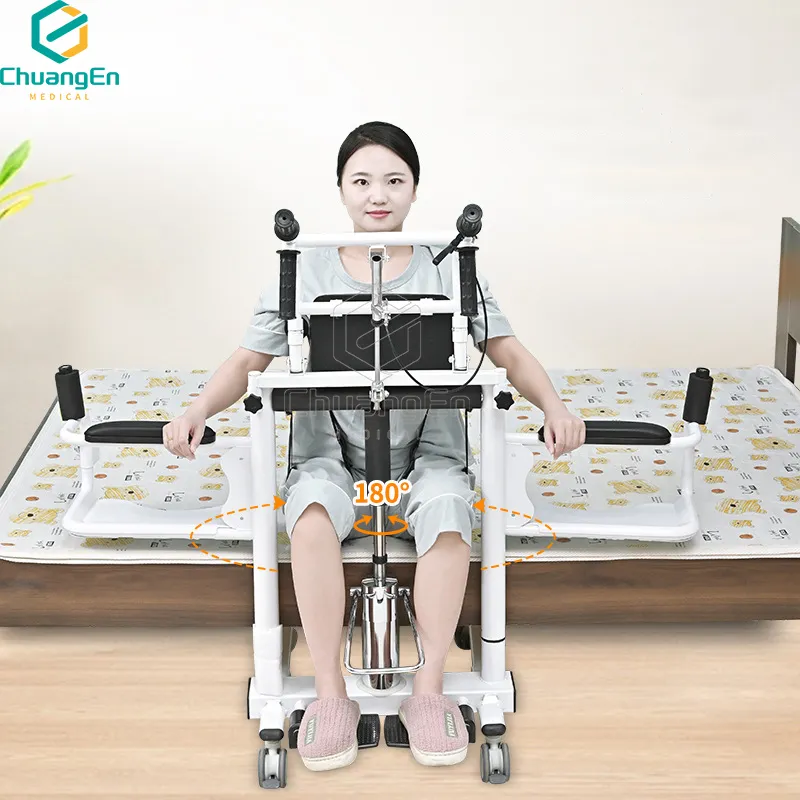
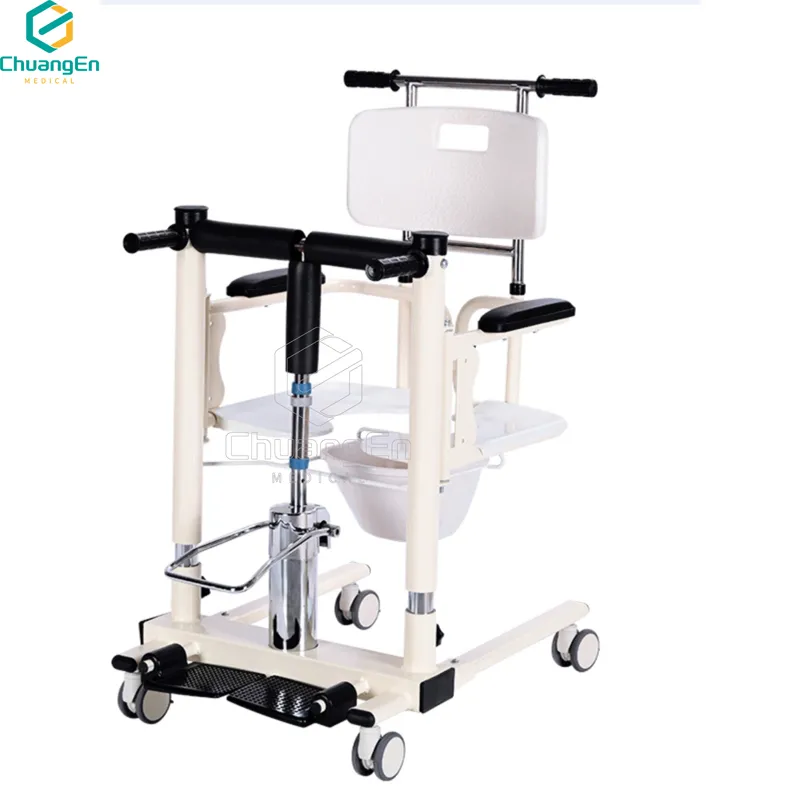
Product snapshot: CZY-Y06 Hydraulic Transfering Patient Lift With Commode
| Model | CZY-Y06 |
| Type | Hydraulic transfer chair with integrated commode; auxiliary lift bracket; 180° open base |
| Rated capacity | ≈ 120–150 kg (real-world use may vary; verify per site policy) |
| Lift range (seat height) | ≈ 42–70 cm, free height adjustment |
| Frame / finish | Q235 steel, TIG-welded; powder-coated |
| Seat/commode | Detachable commode bucket; back “well” reinforcement design |
| Casters / brakes | Ø100 mm PU casters; dual rear locks |
| MOQ | 1 pcs |
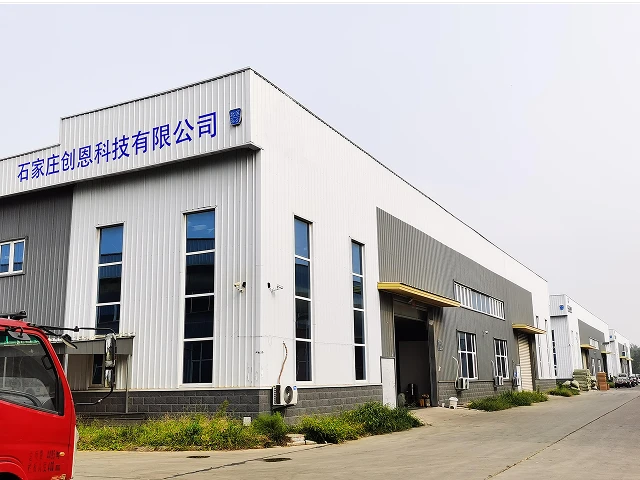
| Origin | No.65, Tiangui Street, High Technology Industrial Development Zone, Shijiazhuang, Hebei, China |
Manufacturing and test flow (quick but real)
Materials: Q235 steel tubing, PU wheels, sealed hydraulic ram, reinforced back weldments. Methods: precision cutting, TIG/MIG welding, phosphate pre-treatment, powder coating, assembly torque control.
Testing: static load at 1.5× rated (e.g., 180–225 kg) for 1 min; 20,000 lift cycles on ram; caster roll over 5 km at 75 kg; corrosion resistance via 72–96 h salt spray per ASTM B117; function checks to ISO 10535 clauses for hoists and ISO 17966 for assistive products. Typical service life: around 5–7 years with annual inspection.
Where it fits best
- Home care: bedside to toilet/shower chair, doorway navigation in small apartments.
- Assisted living: routine transfers without a ceiling track—less setup, faster turnover.
- Hospital step-down: short-stay rehab where a commode-integrated lift is practical.
Vendor comparison (field-notes style)
| Vendor | Key model | Certs (typical/available) | Lead time | MOQ | Customization |
|---|---|---|---|---|---|
| Chuangen Medical | CZY-Y06 | ISO 13485 QMS; ISO 10535 alignment; MDR/CE on request | ≈ 15–25 days | 1 | Color, seat type, caster spec |
| Vendor B | Hydraulic T-110 | ISO 10535; CE-marked | ≈ 20–30 days | 10 | Limited colors |
| Vendor C | Lift/Commode 2-in-1 | Basic factory tests | ≈ 7–14 days | 5 | Seat width only |
Customization and real-world feedback
Options I’ve seen buyers request: wider seat cutouts, waterproof upholstery, anti-microbial powder coat, and high-friction footplates. Many customers say the 180° open base is a small thing that matters—sliding around recliners and wheel frames gets easier, surprisingly. Maintenance is simple: quarterly caster checks, annual hydraulic inspection, replace commode seals as needed.
Case studies in brief
Home caregiver (Chicago): reduced two-person transfers to one-person for bathroom trips; time per transfer dropped from ~12 to ~6 minutes, with fewer back complaints after 4 weeks.
Assisted living (Sydney): standardized on hybrid lifts in 18 rooms; incident reports linked to manual lifts decreased by 22% over one quarter.
Standards and documentation to ask for
Request test summaries against ISO 10535 (hoists), ISO 17966 (assistive products), salt-spray data (ASTM B117), and the manufacturer’s ISO 13485 certificate. For Europe, ensure MDR (EU 2017/745) compliance and a current DoC; in the U.S., check applicable FDA requirements.
If you’re scanning transport chairs for sale with real-world longevity in mind, short-list hybrid hydraulic models like the CZY-Y06 and verify the load-cycle report—it’s the quiet truth hiding behind glossy brochures.
- ISO 10535: Hoists for the transfer of disabled persons — Requirements and test methods.
- ISO 13485: Medical devices — Quality management systems — Requirements for regulatory purposes.
- ISO 17966: Assistive products for personal hygiene that support users.
- ASTM B117: Standard Practice for Operating Salt Spray (Fog) Apparatus.
- EU 2017/745 (MDR): Medical Device Regulation guidelines.