The Active Air 8 Alternating Mattress: What You Need to Know
When it comes to pressure sore prevention and patient comfort, the active air 8 alternating mattress has risen as a crucial innovation worldwide. It's not just a mattress; it's a healthcare necessity with far-reaching implications, especially as global populations age and medical facilities grow busier. Understanding its core benefits can improve patient outcomes, reduce hospital stays, and even ease the workload on healthcare professionals. So, why exactly does this matter on a global scale?
Introduction: A Global Perspective on Patient Care
Around the world, pressure ulcers affect millions annually, costing healthcare systems upwards of billions of dollars in treatment and care (Wikipedia - Pressure ulcers). The UN reports that aging populations and chronic illness prevalence will only increase demand for effective pressure management solutions in coming decades. The active air 8 alternating mattress offers a technological breakthrough in this challenge by providing alternating pressure cycles that distribute a patient's weight more evenly. Healthcare providers globally — from hospitals to nursing homes — are seeking out reliable products that minimize risks associated with immobility.
Without efficient pressure relief, skin breakdown can quickly lead to infection or costly interventions, so investing in advanced mattresses is more than just a comfort measure; it’s a serious preventive healthcare strategy.
Understanding the Active Air 8 Alternating Mattress
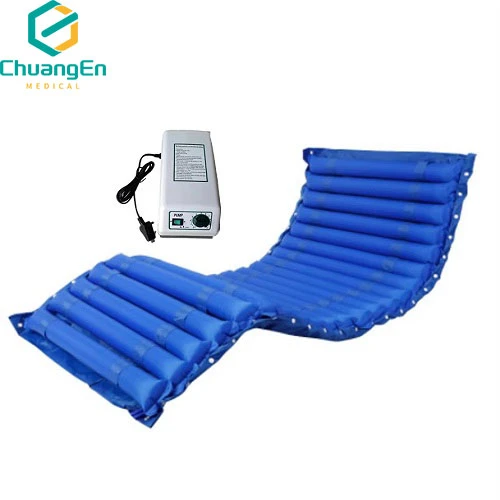
At its core, the active air 8 alternating mattress is a medical mattress equipped with a series of interconnected air cells that cyclically inflate and deflate. This alternating action mimics subtle repositioning, which reduces localized pressure points on the skin and underlying tissues. Compact air compressors usually power the system, allowing adjustable cycles to suit individual patient needs. These are commonplace in modern healthcare, particularly for patients with limited mobility due to spinal injuries, surgery, or chronic illness.
It’s interesting how the mattress design merges simple physics with patient comfort—something about those rhythmic pulses almost feels like the air itself cares.
Key Components and Features of the Active Air 8 Alternating Mattress
1. Alternating Pressure Cells
These are the mattress’s heart, promoting blood flow and reducing the risk of tissue ischemia by regularly shifting the pressure points.
2. Adjustable Inflation Cycles
Depending on medical advice, patients or caregivers can set different cycle durations, customizing treatment intensity and comfort.
3. Durable, Waterproof Covers
Made of PU-coated materials for hygiene and easy cleaning — critical in infection control protocols.
4. Integrated Air Compressor Unit
Often lightweight and quiet, this unit manages air pressure automatically and alerts users to malfunctions.
5. Compatibility with Hospital Bed Frames
Designed to fit seamlessly with most standard adjustable beds, improving ease of use in clinical settings.
Mini takeaway: Design simplicity combined with advanced pressure control makes this mattress both effective and user-friendly.
Product Specification Table
| Feature | Specification |
|---|---|
| Dimensions | 200 cm x 90 cm x 20 cm |
| Air cell zones | 8 alternating pressure zones |
| Inflation cycle time | Adjustable, 5 to 15 minutes |
| Material | PU coated nylon cover, anti-microbial treatment |
| Power | 110/220V dual voltage compressor |
| Max patient weight | Up to 150 kg |
Global Applications & Use Cases
From North American hospitals to elder care facilities in Europe and community health centers in Asia, the active air 8 alternating mattress is becoming a global standard in ulcer prevention. Post-surgical patients with diminished mobility find it indispensable. In disaster relief zones, these mattresses help the injured avoid additional complications when long transport delays are inevitable. Also, NGOs working with spinal injury patients in low-resource countries rely on this technology to reduce pressure ulcer incidence — saving millions in follow-up care costs.
Oddly enough, its presence in home care settings is increasing too, as families want the best for their loved ones, but don’t always have easy access to full hospital support.
Comparing Leading Vendors
| Brand | Air Zones | Cover Material | Cycle Time | Price Range (USD) |
|---|---|---|---|---|
| ChuangEn Medical | 8 | PU-coated nylon | 5–15 mins adjustable | $450–550 |
| MediRest Solutions | 10 | Antimicrobial vinyl | Cycle not adjustable | $500–600 |
| ComfortAir Tech | 8 | Breathable fabric cover | 10 mins fixed | $480–520 |
If you’re looking to compare similar products, active air 8 alternating mattress by ChuangEn Medical combines cost-efficiency with customizable features.
Advantages & Long-Term Value
In practical terms, hospitals see fewer pressure ulcer cases, thus cutting significant downstream expenses on wound care and infection treatment. I suppose the emotional side is important too — bedridden patients feel relief and dignity knowing their skin is protected better than ever. There’s also the simple fact that advanced alternating mattresses can extend patient stay quality, giving caregivers peace of mind. Plus, most models are designed with sustainability in mind, using long-lasting materials and low-energy compressors. So, it’s a win-win on many fronts.
Future Trends & Innovations
Looking ahead, we’ll likely see mattresses integrating smart sensors that monitor tissue oxygenation in real time, automatically tweaking pressure cycles for optimal skin health. Green energy initiatives are pushing manufacturers to create ultra-low power units and biodegradable mattress covers. There's also growing interest in AI-driven predictive analytics to anticipate ulcer risks before they begin — basically making care even more proactive.
Challenges & Solutions
A big limitation remains accessibility and upfront cost for underfunded clinics. Some models can be noisy or cumbersome; not ideal for quiet, home environments. However, newer designs from vendors like ChuangEn Medical strive to minimize noise and bulk. Training caregivers to properly set cycle times is another hurdle but can be solved with simple interfaces and clear manuals. In real-world conditions, regular maintenance avoids compressor failures — something I often notice gets overlooked.
Mini takeaway: Innovation and education together can overcome most current limitations.
FAQ: Practical Questions About the Active Air 8 Alternating Mattress
-
Q: How does the alternating mattress prevent pressure ulcers?
A: By cyclically inflating and deflating air cells, it redistributes pressure, improving blood flow and reducing tissue damage risk. -
Q: Can the mattress be used for patients of all weights?
A: Most models, including the active air 8, support up to 150 kg, but always check manufacturer specs for individual cases. -
Q: Is setup complicated for home use?
A: Not really. The system generally comes with a plug-and-play compressor and adjustable controls. Caregiver guidance is recommended for optimal settings. -
Q: How long do these mattresses last?
A: With proper maintenance, 3–5 years of effective use is typical, sometimes longer depending on usage frequency and care.
Conclusion: Why the Active Air 8 Mattress is Worth Considering
Pressure care isn’t just a medical detail; it’s a pathway to better recovery and quality of life. The active air 8 alternating mattress stands as a smart, globally relevant solution — blending proven science with practical design. For anyone involved in patient care, investing in such technology isn’t just smart, it’s compassionate. So whether you're a hospital administrator, home-care provider, or NGO worker, exploring this mattress might just change the way you help people heal.
Take the next step. Visit ChuangEn Medical to learn more and see how the active air 8 can fit your needs.