Understanding the Bariatric Alternating Pressure Pad and Its Growing Importance
In an increasingly aging global population, coupled with the rise in obesity rates, innovations in medical support equipment like the bariatric alternating pressure pad aren't just conveniences—they're vital. These specialized cushions, designed for patients with higher body weights, help prevent pressure ulcers by redistributing pressure points. Why does this matter globally? Well, as reported by the World Health Organization, pressure ulcers affect an estimated 1.5 to 3 million people yearly worldwide, costing billions in treatment and prolonged care. The bariatric alternating pressure pad offers a meaningful solution to this challenge, improving patient comfort and reducing healthcare burdens.
In short, understanding such advanced medical aids means better patient outcomes, more efficient care, and yes, dignity for those who need it most.
The Global Context: Why Bariatric Alternating Pressure Pads Matter Today
Obesity rates have nearly tripled worldwide since 1975, according to the WHO. Add to that an aging population with limited mobility, and the risk of pressure ulcers skyrockets. The UN’s recent reports on global healthcare emphasize the need for accessible, adaptive medical technologies.
Many healthcare facilities, especially in developed countries but increasingly worldwide, face the challenge of supporting bariatric patients safely. Conventional pressure relief devices buckle under the weight or fail to provide adequate circulation. This is where bariatric alternating pressure pads come into play, offering scalable, durable solutions that fit the broad spectrum of patient sizes and care settings.
Mini Takeaway:
Simply put, the rising numbers of at-risk patients mean that these specialized pressure pads are no longer optional — they’re an urgent part of modern healthcare.
What Exactly Is a Bariatric Alternating Pressure Pad?
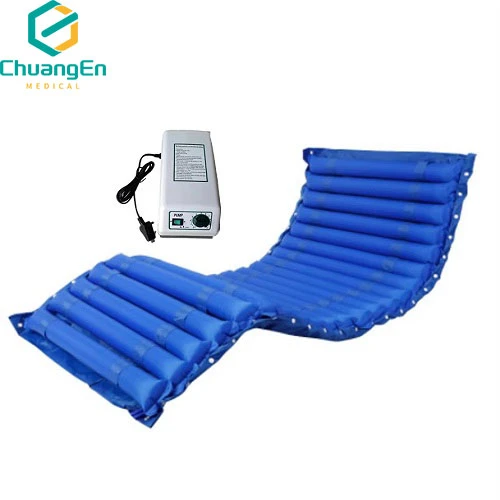
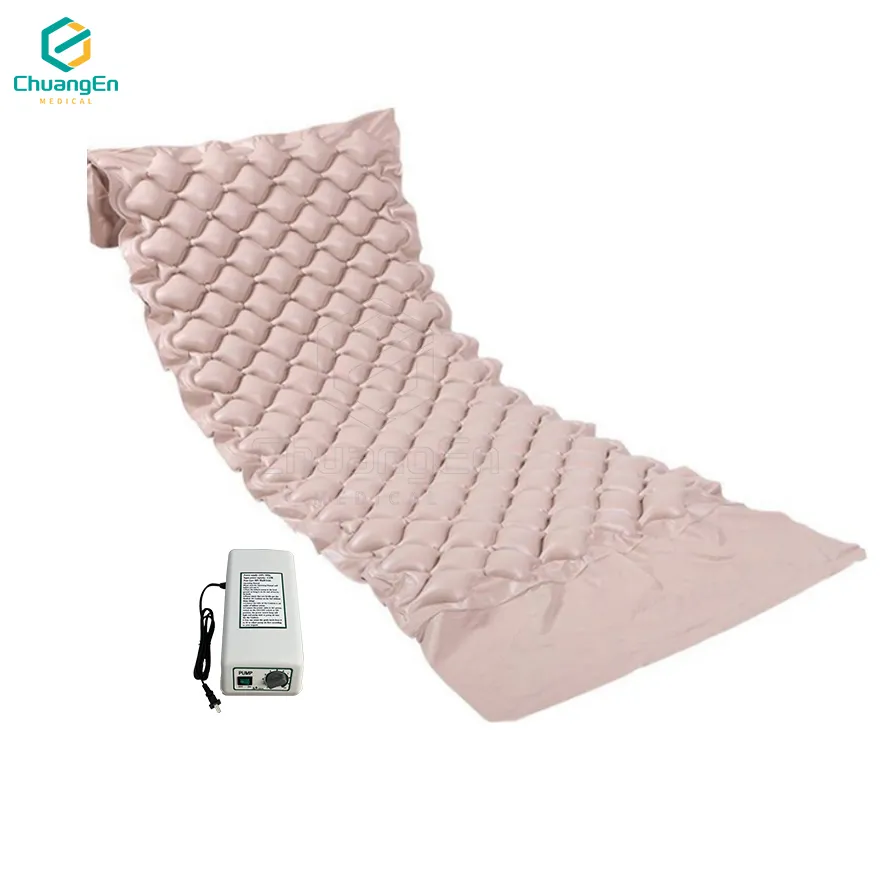
At its core, a bariatric alternating pressure pad is an advanced cushioning system designed to periodically inflate and deflate air cells beneath a patient to prevent prolonged pressure in any one area. Unlike standard pressure pads, bariatric versions are built to support higher weight limits (often 500 lbs/227 kg or more) and wider surfaces without compromising function or patient safety.
Connected tightly to both medical and humanitarian needs, these devices help preserve skin integrity, improve blood flow, and mitigate risks of bedsores among obese or immobilized individuals. The alternating mechanism is crucial — it gently shifts pressure points every few minutes, which in real terms, can be life-changing.
Core Components of a Bariatric Alternating Pressure Pad
1. Durability and Load Capacity
Unlike standard pads which max out around 250 lbs, bariatric models are engineered with reinforced materials—heavy-duty vinyl, robust air cells, and rugged tubing—to safely support heavier bodies without tears or leaks.
2. Pressure Redistribution Technology
Alternating air cells cycle through inflation and deflation, typically in 7-10 minute intervals. This periodic relief is critical to avoiding tissue ischemia — the root cause of pressure wounds.
3. Ease of Use and Maintenance
Many feature user-friendly control units with customizable pressure settings, alarms, and quick-disconnect cords. The materials must be easy to clean and anti-microbial given clinical settings.
4. Size and Compatibility
Bariatric pads come in wider dimensions to fit large hospital beds and stretchers comfortably, with modular designs that integrate seamlessly into existing mattress systems.
5. Energy Efficiency
Modern units aim to keep power consumption minimal without sacrificing performance — critical in regions with unstable electricity supply or for long-term home care.
Mini Takeaway:
In essence, these components are what transform a simple cushion into a life-saving medical device fit for today's diversified patient needs.
Where Are Bariatric Alternating Pressure Pads Making a Difference?
These pads are now standard in many hospital wards across North America and Europe. But they’re also spreading fast into regions like East Asia and the Middle East where obesity rates are rapidly rising.
- Hospitals and Long-Term Care Facilities: Helping immobile or post-surgery bariatric patients avoid skin breakdown.
- Home Healthcare: Enabling better at-home recovery and reducing hospital stays.
- Disaster Relief Centers: Emergency shelters caring for displaced individuals with varying body types now rely on these pads for pressure care.
- Military and Remote Industrial Zones: Supporting injured personnel or workers who might otherwise suffer serious pressure injuries.
Oddly enough, one case study from a European hospital noted a 40% drop in pressure ulcer incidence after integrating bariatric alternating pressure pads into their obese patient care protocols.
Advantages and Long-Term Value of Using Bariatric Alternating Pressure Pads
Frankly, the benefits go beyond just the obvious physical relief. Here’s a quick peek:
- Cost Savings: Preventing ulcers significantly reduces treatment costs and hospital readmissions.
- Improved Patient Comfort & Dignity: Patients with heavier weights feel accommodated and cared for specifically.
- Reduced Caregiver Burden: Less frequent repositioning means staff can focus on other critical tasks.
- Enhanced Safety: Reduces risk of infection, complications, and longer stays.
- Environmental Sustainability: Durable materials and energy-efficient pumps mean less waste and power use.
Trust me, from a nurse’s viewpoint, seeing a patient avoid a painful pressure sore is like a small daily victory.
What’s Next? Future Trends in Bariatric Pressure Care
Innovations are pushing the envelope. We’re seeing:
- Smart Sensors: Pads that monitor pressure distribution in real-time and alert caregivers.
- Eco-Friendly Materials: Biodegradable or recyclable components to tackle medical waste.
- Improved Portability: Lightweight yet durable designs for travel or home visits.
- Integration with Digital Health: Connected devices uploading data to electronic health records.
Given the rising focus on sustainability and digital transformation in healthcare, these pads will no doubt evolve into smarter and greener solutions.
Common Challenges and Their Solutions
Not everything is perfect. Issues include:
- Cost Barriers: High upfront prices limit accessibility in some clinics — leasing models or subsidies help here.
- Maintenance Needs: Pumps and tubes require regular checks to avoid failures. User training is key.
- Power Dependency: Backup batteries or manual override systems are being developed for low-resource areas.
Manufacturers and healthcare providers continuously collaborate to tackle these practical hurdles so the benefits reach everyone.
FAQ About Bariatric Alternating Pressure Pads
- Q: What weight limits do bariatric alternating pressure pads typically support?
- A: Most models support patients up to 500 lbs (227 kg), with some heavy-duty versions exceeding 700 lbs (317 kg). Always check specific product specs for exact capacities.
- Q: Can these pads be used on any standard hospital bed?
- Generally yes, but bariatric pads are wider and thicker than normal pads, so compatibility with bed frames and mattress types should be confirmed before purchase.
- Q: How often should the pads be cleaned?
- Cleaning protocols vary but typically after each patient discharge, or weekly during extended use. Materials are designed for easy disinfection with hospital-grade cleaners.
- Q: Do these pads require special power sources?
- They typically run on standard AC power with low wattage consumption; some include battery backups for temporary outages.
Product Specification Table
| Specification | Details |
|---|---|
| Weight Capacity | Up to 600 lbs (272 kg) |
| Dimensions | 36" x 80" (91cm x 203cm) |
| Power Usage | 12 Watts |
| Cycle Time | 8 minutes |
| Material | Medical-grade PVC, antimicrobial coating |
| Warranty | 2 years |
Vendor Comparison Table
| Feature | Vendor A | Vendor B | Vendor C |
|---|---|---|---|
| Max Weight Supported | 600 lbs | 700 lbs | 550 lbs |
| Price Range | $1,200 - $1,500 | $1,500 - $1,800 | $1,000 - $1,300 |
| Warranty | 24 months | 18 months | 12 months |
| Customer Support | 24/7 Phone & Email | Business Hours Only | Email & Chat Support |
| Energy Efficiency | High | Medium | Low |
Wrapping Up: Why Now Is the Time to Embrace Bariatric Alternating Pressure Pads
So there we have it — a somewhat under-the-radar champion in modern patient care. Bariatric alternating pressure pads address a very real and growing need in healthcare today. They combine durable design, technological savvy, and thoughtful patient-centered care to reduce painful wounds and improve quality of life for those often overlooked in pressure relief solutions.
If you’re involved in facility management, home healthcare, or even medical procurement, it's worth considering how these pads can integrate into your patient care strategies.
Curious to explore options or need tailored solutions? Visit our website at bariatric alternating pressure pad to find out more.
Final Thought
It’s interesting how a seemingly simple device—a cushion, really—can ripple out into better outcomes, lower costs, and more dignified care. Sometimes those little things matter the most.