Understanding the Medical Air Pressure Mattress: Why It Matters Globally
At first glance, a medical air pressure mattress might seem like just another fancy healthcare gadget. But dive a bit deeper, and you'll see it’s actually a silent hero in hospitals, clinics, and emergency shelters worldwide. These mattresses are designed to prevent pressure ulcers, those nasty bedsores that can severely complicate patient recovery and care. Globally, pressure ulcers affect nearly 10% of hospitalized patients according to the World Health Organization, causing discomfort, longer hospital stays, and higher costs.
In real terms, medical air pressure mattresses reduce the risk by distributing weight evenly, improving blood flow, and giving patients a better night’s rest — something that matters more than we might initially realize. They are crucial not just in high-tech hospitals but also in humanitarian settings where extended patient care is tricky. So, knowing how they work and what benefits they bring isn’t just helpful for healthcare professionals but for anyone interested in better medical outcomes and innovation in care.
A Global View: Why Medical Air Pressure Mattresses Are Essential Today
We live in an aging world. The UN estimates that by 2050, over 1.5 billion people will be aged 65 or older. Older adults, especially those with limited mobility, are highly vulnerable to pressure ulcers. Add to that the millions who receive long-term care in hospitals or at home, and the need for effective pressure relief solutions becomes clear. The World Bank also points out that healthcare costs related to pressure wound treatment run into billions globally every year.
Now, here’s the kicker: pressure ulcers aren’t just a comfort issue – they are a major health risk. They can cause infections, prolonged hospital stays, and even mortality. Medical air pressure mattresses address this very challenge, providing dynamic support that traditional foam mattresses simply can’t match. This is especially critical in regions with aging populations or strained healthcare infrastructures.
What Exactly Is a Medical Air Pressure Mattress?
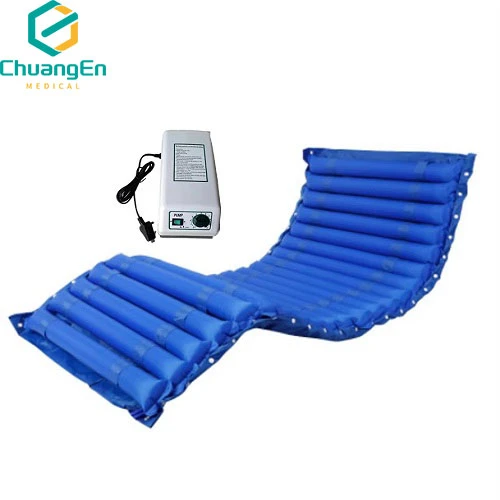
In simple terms: it’s a specialized mattress system designed to reduce the risk of pressure ulcers by alternating the air pressure under a patient’s body. Imagine multiple air cells or chambers inside the mattress that inflate and deflate cyclically — this gentle shifting redistributes body weight and boosts blood circulation.
Unlike traditional mattresses, which provide static support, the medical air pressure mattress is dynamic by design. This technology came about from decades of clinical research focused on improving care for immobile patients. In humanitarian and industrial settings, they’re a critical piece of medical equipment, offering both comfort and targeted therapeutic action — a boon when good beds aren’t easily available.
Key Features to Consider in a Medical Air Pressure Mattress
1. Durability and Material Quality
Most air pressure mattresses use durable, waterproof, and antimicrobial PVC or polyurethane covers to withstand cleaning and long-term use. The quality of materials affects how well the mattress handles weight and wear — engineers often say a mattress that fails within a year isn’t doing its job.
2. Pressure Relief Technology
The heart of these mattresses is the alternating pressure function — varying air cell inflation cycles, which might range from 5 to 20 minutes. Some models offer low air loss capabilities, helping manage moisture and temperature, a bonus for patient comfort.
3. Weight Capacity and Size
Mattress selection must match patient size and weight. They usually come in single, bariatric, or custom sizes. Getting this right is crucial to prevent mechanical failure and ensure tailored therapy.
4. Portability and Power Options
In many cases, mobility matters. Some mattresses are lightweight with easy-fold designs and include battery backups or compatibility with portable power sources—making them a favorite for field hospitals or home care.
5. Ease of Use and Maintenance
Healthcare staff appreciate mattress systems with intuitive control units and easily cleanable surfaces to prevent cross-contamination and reduce setup time.
| Specification | Typical Value |
|---|---|
| Material | Waterproof PVC cover with polyurethane overlay |
| Pressure Cycle Duration | Adjustable, typically 10-15 minutes |
| Weight Capacity | Up to 300 kg (bariatric models available) |
| Power Supply | AC adapter and battery backup options |
| Size Options | Single (84"x35"), Bariatric (84"x44"), Custom |
| Weight | Typically 8-12 kg |
How Are Medical Air Pressure Mattresses Used Around the World?
Their applications run the gamut from intensive care wards in urban hospitals to remote disaster zones. For example:
- In Hospitals: Used daily in ICUs and nursing homes for patients with limited mobility.
- Disaster Relief: Organizations like Médecins Sans Frontières deploy these mattresses in post-earthquake shelters to reduce secondary health complications.
- Home Care: Increasingly adopted for long-term homebound patients to enhance comfort and reduce caregiver burden.
- Military Medicine: Field hospitals rely on portable air pressure mattresses to protect injured soldiers during transport and recovery.
Oddly enough, some developing regions have leapfrogged traditional foam mattress use by embracing advanced air pressure systems, driven by NGO initiatives or government programs focused on elder care.
The Many Advantages of Medical Air Pressure Mattresses
Aside from clear clinical benefits, these mattresses offer financial and emotional gains:
- Cost Savings: Preventing pressure ulcers reduces expensive treatments and lengthy hospital stays.
- Patient Dignity & Comfort: Patients report less pain and better sleep quality.
- Infection Control: Easy-to-clean materials reduce cross-contamination.
- Trust & Reliability: Care teams gain confidence knowing their patients are protected.
- Sustainability: Some models are built to last years, reducing waste and resource use.
It’s a combination of these factors that makes medical air pressure mattresses more than just a medical device — they embody a commitment to compassionate, forward-thinking care.
Emerging Innovations and Future Trends
The field is evolving, with some fascinating trends:
- Smart Mattresses: Integration of sensors monitors pressure points and patient movement, allowing real-time adjustments and alerts.
- Eco-friendly Materials: More manufacturers are exploring recyclable fabrics and reduced PVC use.
- Wireless & Battery Tech: Improved battery life and wireless control units enhance portability significantly.
- Data Integration: Linking mattresses to hospital IT networks for detailed patient analytics.
While these innovations feel like tomorrow’s tech, many have already started to appear in mid-range models, hinting at a future where beds do a lot more than just hold patients.
Common Challenges and Practical Solutions
- Power Dependence: Backup batteries and manual inflation help mitigate power failures.
- Cost Barriers: Bulk purchasing and leasing models make quality mattresses accessible to lower-budget facilities.
- Maintenance: Training staff and using antimicrobial covers reduce wear and microbial build-up.
- Patient Compliance: Engaging patients and caregivers about the benefits increases acceptance and proper use.
For many providers, it’s about balancing upfront costs with long-term savings and patient outcomes, which frankly is a bit of an art — one that improves as awareness grows.
Medical Air Pressure Mattress: Vendor Comparison
| Vendor | Price Range | Warranty | Key Feature |
|---|---|---|---|
| ChuangEn Medical | $350 - $800 | 3 years | Customizable pressure cycles, durable materials |
| Smith & Johns | $400 - $900 | 2 years | Smart sensor integration, washable mattress covers |
| MediAir Solutions | $300 - $750 | 1.5 years | Portable battery options, low air loss system |
FAQ: What You Want to Know About Medical Air Pressure Mattresses
Q1: How does a medical air pressure mattress differ from a regular hospital mattress?
A: Unlike regular foam mattresses, medical air pressure mattresses have dynamic air cells that inflate and deflate in cycles to continuously redistribute pressure. This helps prevent pressure ulcers more effectively, especially for patients who can’t move frequently.
Q2: Can these mattresses be used at home?
A: Absolutely. Many models are designed with portability and ease of use in mind, making them ideal for home care settings where patients require ongoing pressure management without hospital stays.
Q3: What are the maintenance needs for these mattresses?
A: Routine cleaning with mild disinfectants, regular inspection for air leaks, and timely replacement of components like pumps ensure longevity and hygiene. Most covers are waterproof and antimicrobial, aiding maintenance.
Q4: Are there power outage solutions?
A: Yes, most systems come with battery backups or manual inflation options, so patients remain protected even during power failures—a critical feature for emergency and homecare use.
Q5: How long do these mattresses generally last?
A: Depending on use and maintenance, quality medical air pressure mattresses can last 3-5 years or more before needing replacement parts or full replacement.
Conclusion: Why Investing in a Medical Air Pressure Mattress Pays Off
Frankly, medical air pressure mattresses represent a thoughtful blend of technology and humanity. They help reduce painful complications, save billions in healthcare costs, and most importantly, restore dignity to patients experiencing limited mobility. Whether you’re a clinician, caregiver, or procurement officer, considering their benefits is a no-brainer.
If you're ready to improve patient care, explore reliable medical mattresses, or just get more info, visit medical air pressure mattress to see current models, offers, and support.