Understanding the Air Mattress with Pump for Hospital Bed: A Quiet Revolution in Patient Care
At first glance, an air mattress with pump for hospital bed might seem like a straightforward piece of medical equipment — simply a padded surface to help patients lie down comfortably. But scratch the surface just a bit, and you’ll quickly see it’s so much more. This system addresses some deeply important challenges in healthcare worldwide, from preventing pressure ulcers to improving patient mobility and ease of care. As hospital stays lengthen globally with aging populations and chronic conditions, understanding these air mattresses becomes critical not only for medical professionals but also healthcare planners and even families.
In essence, knowing about these devices means supporting dignity and wellbeing for vulnerable patients while easing caregiver strain — a rare win-win.
Why Air Mattresses with Pumps Matter Globally: A Contextual Overview
Worldwide, an estimated 2.5 million people develop pressure injuries (pressure ulcers) yearly, especially in hospitals and long-term care facilities, according to the International Prevention Pressure Ulcer Panel and the World Health Organization. These injuries can lead to severe complications, longer hospital stays, and increased costs. What’s more, prolonged immobilization is common in aging societies, which makes pressure relief vital.
Here’s an interesting point: as populations age, the demand for effective pressure management solutions like air mattresses is rising sharply in Europe, North America, and parts of Asia. The ISO 13485 standards have even been updated recently to ensure manufacturers maintain high quality for medical devices like these. Still, many hospitals and care centers in low-middle income countries struggle to provide proper pressure relief due to cost or supply issues—showing a gap that innovative, scalable solutions could close.
What Exactly Is an Air Mattress with Pump for Hospital Bed?
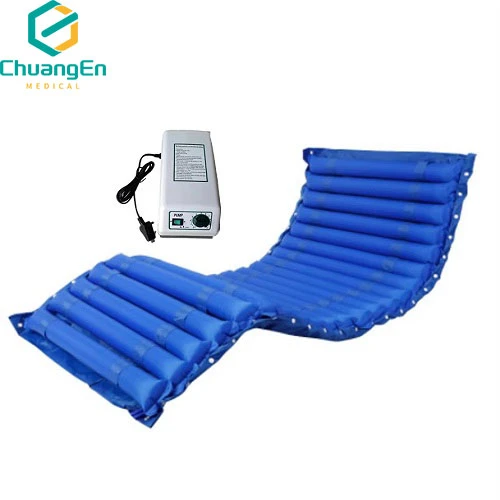
Put simply, it’s a mattress made of interconnected air cells or tubes, combined with an electric or battery-powered pump that inflates and deflates these cells in a controlled pattern. This dynamic pressure redistribution helps prevent skin breakdown and pressure ulcers by continuously changing pressure points under the patient.
Its design supports patients who spend extended periods in bed, particularly those who are immobile or bedridden due to surgery, injury, or chronic disease. Beyond hospitals, these mattresses are increasingly deployed in home care settings, emergency medical response, and long-term care facilities. So this tool connects deeply with modern healthcare's drive towards better patient outcomes and cost-effective care environments.
Key Components in Practical Terms
1. Pressure Redistribution Technology
The heart of the system is the alternating pressure mechanism, which inflates and deflates different air cells sequentially. This gently shifts body weight, lowering stress on vulnerable skin areas. It’s more effective than static foam mattresses because it mimics natural movement.
2. Adjustable Firmness and Support Levels
Many systems offer manual or automated settings to tailor firmness and support for the patient’s weight and comfort preferences. This customization matters a lot, especially when different patients share a room or mattress over time.
3. Durability and Hygiene Features
The mattress surface is usually made from medical-grade, waterproof, and anti-microbial fabrics, which are easy to clean and resistant to bacteria. Hospitals require these attributes to meet strict hygiene protocols.
4. Portability and Battery Backup
Some models include battery backup to maintain function during power outages and are lightweight enough for transport, critical during patient moves or emergency evacuations.
5. Noise and Energy Efficiency
A good pump runs quietly to avoid disturbing rest, often consuming minimal power. This might seem minor but is highly valued in sensitive patient environments.
Mini takeaway:
The air mattress’s success depends on these practical engineering details — thoughtful pressure modulation, adaptability, hygiene safety, and user-friendly design.
Global Applications: Who Benefits and How?
In high-income countries, hospitals and nursing homes commonly use advanced air mattresses to manage patient comfort and prevent ulcers, cutting down treatment costs and readmission rates. For example, teaching hospitals in the US routinely integrate these mattresses into post-operative care protocols.
In lower-income settings, these mattresses — sometimes donated or subsidized — help NGOs reduce avoidable pressure-related complications during disaster relief or refugee care. Imagine a post-disaster shelter where medical tents are equipped with these devices, offering comfort to injured survivors; it’s a small thing that matters enormously.
Even outside traditional healthcare, industrial remote zones where workers may need extended bed rest (say, in mining camps or offshore rigs) adopt them to minimize downtime and enhance recovery.
Product Specification Table
| Feature | Typical Range/Value | Notes |
|---|---|---|
| Pump Type | Electric motor, alternating pressure | Quiet operation, |
| Air Cell Height | 5-8 inches (12.7–20 cm) | Supports weight and pressure relief |
| Weight Capacity | Up to 250 kg (550 lbs) | Varies by model |
| Cover Material | PVC or PU coated nylon | Anti-bacterial, waterproof |
| Cycle Time | 6-12 minutes | Duration per inflation/deflation phase |
| Battery Backup | Up to 8 hours | Optional feature |
Advantages and Long-Term Benefits for Patient and Provider
One of the biggest upsides is prevention. This mattress system isn’t just about comfort; it actively prevents serious complications. Fewer pressure ulcers mean better outcomes, less pain, and ultimately lower burden on healthcare systems.
Moreover, it admits a humane approach by preserving patient dignity—no one wants to lie on a hard surface and risk sores. The technology also fosters trust between patients and caregivers, who rely on these innovative solutions to lessen their own manual workload in turning or repositioning patients.
Financially, air mattresses reduce expensive treatments for ulcer care, offer faster recovery, and may diminish hospital stay lengths. Environmentally, many models now use recyclable materials and energy-efficient pumps, aligning with sustainability goals increasingly important in healthcare procurement.
Emerging Trends: What’s Next in the Air Mattress Field?
- Smart Sensors & IoT Integration: Future mattresses will likely monitor pressure points and patient activity, sending alerts to nurses’ stations — a sort of silent guardian.
- Eco-friendly Materials: Biodegradable or recycled fabrics reduce environmental footprint. Some startups are exploring plant-based polymers.
- Battery and Energy Innovations: Longer-lasting, faster charging, or even kinetic energy-powered pumps could improve portability and reliability.
- Personalized Therapy: Using AI, mattresses might tailor pressure cycles to specific patient needs dynamically.
Challenges and Innovative Solutions
A few obvious hurdles remain. Cost is paramount — many hospitals in developing countries can’t afford high-end air mattress systems. Maintenance and pump failures can also disrupt patient care. Additionally, some systems may be bulky or noisy, impacting patient comfort.
Several manufacturers now offer modular or rental models to reduce upfront costs. Remote diagnostics embedded in pumps help detect faults early. Design improvements aim at quieter motors and lighter components. Collaborative partnerships between NGOs, manufacturers, and governments promise wider access in resource-poor regions.
Vendor Comparison Table
| Vendor | Price Range | Key Features | Warranty |
|---|---|---|---|
| MedAir Pro | $700 - $950 | Battery backup, ultra-quiet pump, antimicrobial cover | 3 years |
| ComfortFlo | $500 - $750 | Lightweight, adjustable firmness, affordable parts | 2 years |
| HealthRest Systems | $900 - $1100 | Smart pressure sensors, IoT compatible, recyclable materials | 4 years |
Frequently Asked Questions About Air Mattresses with Pump for Hospital Bed
Q1: How often should the air mattress pump cycle to prevent pressure ulcers?
A1: Most alternating pressure air mattresses cycle every 6 to 12 minutes. This timing helps redistribute pressure effectively without disturbing patient rest. Some models allow customization to suit individual needs.
Q2: Can these mattresses be used for home care patients who frequently need repositioning?
A2: Absolutely. Many air mattresses with pumps are designed for home use, offering mobility and ease of setup. Battery backup options provide safety during power outages, making them ideal for long-term home care.
Q3: Are air mattresses with pumps difficult to clean and maintain?
A3: Not usually. They are typically covered with waterproof, antimicrobial materials that clean easily using hospital-grade disinfectants. Routine maintenance involves checking the pump and air cells for leaks.
Q4: What weight limits do these mattresses typically support?
A4: Commonly, these mattresses support up to 250 kg (about 550 lbs), but this varies by model and vendor. Always consult product specifications to ensure suitability for patient weight.
Q5: Are these mattresses energy efficient?
A5: Yes. Modern pumps are designed for low power consumption and often run continuously without a significant energy burden. Many healthcare facilities find their usage cost-effective over time.
Wrapping It Up: Why Your Next Hospital Bed Needs an Air Mattress with Pump
Looking ahead, the role of the air mattress with pump for hospital bed in healthcare isn’t just about comfort but about saving lives and improving recovery. From preventing painful pressure injuries to giving caregivers peace of mind, these devices are quietly transforming patient care globally.
If you’re looking for reliable, effective solutions, check out the latest options at our website. Sometimes, a little air can make a big difference.
References: