The Rising Importance of Alternating Air Pressure Pads in Modern Care
If you’ve ever visited a hospital or a long-term care facility, you might have noticed those bulky cushions or mattress overlays designed to keep patients comfortable. But beyond just comfort, these devices play a critical role in preventing pressure ulcers, which are a persistent global health challenge. Enter the alternating air pressure pad. This relatively straightforward technology is quietly changing lives worldwide by addressing one of healthcare's stubborn issues: sustained pressure injuries. Why does it matter beyond the bedside? Because pressure ulcers affect millions annually, leading to longer hospital stays, increased medical costs, and sadly, reduced quality of life for vulnerable populations.
Understanding how alternating air pressure pads work and why they are becoming essential in healthcare and other industries unlocks not only improved patient outcomes but also smarter investments and operational efficiencies. So, whether you’re a care provider, supplier, or just a curious reader, this article sheds light on something surprisingly vital.
Global Perspective: The Growing Demand for Pressure Management Solutions
The World Health Organization estimates pressure ulcers affect 10-20% of hospitalized patients worldwide, with higher rates in nursing homes and rehabilitation centers. The economic toll? Billions of dollars globally, factoring in treatment and longer patient recovery times. Given an increasingly aging global population — the UN projects the population above 60 to double by 2050 — the prevalence of pressure-related injuries will only rise.
Meanwhile, advances in medical care extend survival but often at the cost of extended immobility, elevating the risk. This is where the alternating air pressure pad becomes essential. It addresses the problem of constant pressure in one spot by dynamically redistributing it, thereby promoting blood circulation and skin health. That's no small feat. It also finds application beyond healthcare, in settings ranging from homecare to disaster relief shelters.
What Exactly Is an Alternating Air Pressure Pad?
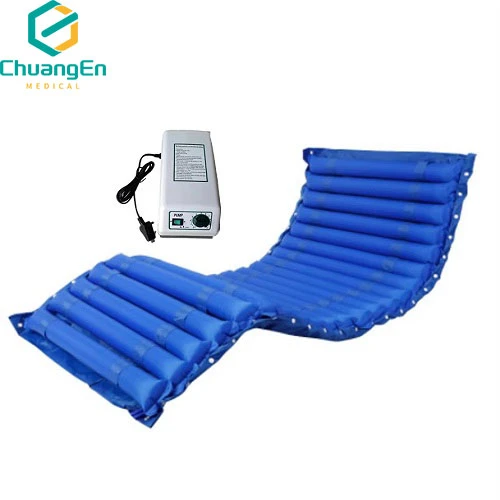
At its core, an alternating air pressure pad is a medical device designed as a mattress overlay or cushion, featuring multiple air cells that inflate and deflate in a timed sequence. This “alternation” ensures that no single area experiences continuous pressure. Imagine if you sat completely still—not moving for hours. Your skin gets compressed, blood flow slows, and tissues start to break down. Now imagine the mattress surface gently shifting under you every few minutes. That intermittent pressure variation is what the alternating air pressure pad does.
Besides hospitals and nursing homes, they are increasingly vital in outpatient care and settings where mobility aids aren’t always practical. In fact, many humanitarian organizations rely on them for evacuees and temporary shelters to prevent wound complications.
Core Components and What Makes These Pads Tick
1. Air Cell Design and Material
The heart of the pad lies in its air cells — usually made of medical-grade polyurethane or similar polymers. Their size, shape, and flexibility affect comfort and durability. Some pads feature overlapped or interlinked cells for better load distribution.
2. Control Unit
This tiny box might not look impressive, but it’s the brain — regulating inflation and deflation cycles. Some latest models let you customize pressure levels and cycle times, integrating digital interfaces for caregivers.
3. Power and Portability
Since they rely on an air pump, power requirements matter. Many units come with battery backups or low-voltage options, making them practical even in off-grid scenarios.
4. Durability & Hygiene
Given constant contact with skin and bodily fluids, materials must be easy to clean and resistant to wear. Removable, washable covers are standard now, improving hygiene and lifespan.
Mini Takeaway:
When looking for an alternating air pressure pad, focus on air cell quality, control technology, portability, and hygiene features — these four pillars drive both patient comfort and clinical efficacy.
Where Are Alternating Air Pressure Pads Making a Difference?
They stretch across geographies and fields:
- Hospitals and Long-Term Care: Preventing pressure ulcers in bedridden or immobile patients is classic, but increasingly crucial given rising healthcare costs.
- Home Healthcare: As more patients recover at home, portable versions of these pads help families manage care without constant hospitalization.
- Disaster Relief and Field Hospitals: Organizations like Médecins Sans Frontières use them in temporary clinics where infrastructure is limited but needs remain urgent.
- Rehabilitation Centers: Athletes or injury patients benefiting from stable seating or lying surfaces for quicker recovery.
For instance, after the 2017 hurricane season, several shelters in the Caribbean incorporated alternating air pressure pads to reduce secondary complications in displaced populations. Oddly enough, such tech isn't just luxury—it’s lifesaving under these extreme conditions.
Advantages That Go Beyond Just Comfort
Here’s why these pads remain an excellent investment:
- Cost-Effective Prevention: Treating pressure ulcers is expensive and complex; prevention through these pads saves resources and pain.
- Improved Patient Outcomes: Patients report less discomfort, better sleep, and enhanced dignity.
- Environmental & Social Impact: Reusable designs reduce waste; less hospital time means lower carbon footprints.
- Reliability: Modern units are rugged and require minimal maintenance, ideal for varied settings.
Future Trends: What’s Next for Alternating Air Pressure Pads?
You can already see some innovation trends emerging:
- Smart Sensors & IoT Integration: Pads that monitor pressure points and send real-time alerts to nurses or family caregivers.
- Green Materials: Biodegradable or recycled components are gaining traction, addressing sustainability concerns.
- Energy-Efficient Pumps: Longer battery life and solar-powered units, important for fieldwork.
- Customizable Ergonomics: Pads tailored to individual body shapes using 3D printing and advanced fabrics.
Common Challenges and How to Overcome Them
While beneficial, these devices face hurdles like:
- Power Dependency: Without electricity, pumps stall. Solution? Backup batteries and manual inflation alternatives.
- Initial Cost Barrier: Despite long-term savings, upfront price may deter smaller clinics. Group purchasing and leasing models could help.
- User Training: Caregivers must understand settings to maximize benefit. Many vendors now offer better training modules.
Product Specification Table: Typical Alternating Air Pressure Pad Model
| Feature | Specification |
|---|---|
| Material | Medical-grade polyurethane |
| Power Supply | AC 110-240V, Battery backup (4 hrs) |
| Cell Count | 18 air cells |
| Cycle Time | 6 min (inflation/deflation alternate) |
| Weight Capacity | Up to 150 kg (330 lbs) |
| Cover Features | Waterproof, anti-bacterial, removable for washing |
Vendor Comparison for Alternating Air Pressure Pads
| Vendor | Price Range | Warranty | Unique Feature | Availability |
|---|---|---|---|---|
| MediComfort Pro | $300-$450 | 2 years | Smart pressure sensors | Global |
| ComfortAir Basic | $150-$250 | 1 year | Lightweight and portable | North America, Europe |
| HealTech Guardian | $400-$550 | 3 years | Customizable cycle times, IoT-connected | Asia-Pacific |
FAQ: What People Ask About Alternating Air Pressure Pads
Q1: How does an alternating air pressure pad differ from a regular foam mattress?
A1: Unlike static foam mattresses, alternating air pressure pads actively redistribute pressure by inflating and deflating air cells in cycles. This dynamic action significantly reduces the risk of pressure ulcers by preventing blood flow restriction and skin breakdown over time. Foam mattresses provide comfort but lack this mechanical modulation.
Q2: Can these pads be used outside of hospitals, say at home or in temporary shelters?
A2: Absolutely. Portable alternating air pressure pads with battery-powered units make them suitable for home care and field settings such as disaster relief shelters. Their design accommodates mobility needs, allowing vulnerable individuals to benefit wherever they are.
Q3: Are alternating air pressure pads easy to clean and maintain?
A3: Most modern pads come with removable, waterproof, and antibacterial covers designed for easy washing. The air cells and pumps require regular checks but generally need minimal maintenance. Proper cleaning extends their lifespan and ensures hygiene compliance.
Q4: What should caregivers know to use these pads effectively?
A4: Caregivers should understand how to adjust pressure settings based on patient weight and condition, monitor for proper inflation cycles, and ensure the pad remains correctly positioned. Training often comes with purchase or can be sought online for best results.
Q5: How does investing in alternating air pressure pads affect long-term healthcare costs?
A5: By preventing pressure ulcers, these pads reduce expensive treatments, surgeries, and extended hospital stays. Their upfront cost is often offset by savings and better patient outcomes, making them a smart long-term investment.
Wrapping It Up: Why Alternating Air Pressure Pads Matter
In an era where healthcare innovation is critical, the alternating air pressure pad may not be the flashiest gadget but it’s undeniably impactful. Its mix of mechanical engineering and thoughtful design tackles a persistent, costly problem quietly yet effectively. By improving patient comfort, cutting down complications, and extending use into non-clinical settings, it holds a crucial spot in the future of care.
Interested in learning more or exploring top-tier models? Visit alternating air pressure pad suppliers and manufacturers to discover how you can bring this technology to your facility, clinic, or home.