Understanding the Global Importance of the Alternating Bed Mattress
The alternating bed mattress might sound like a niche healthcare gadget, but its impact stretches far beyond hospital wards. Globally, millions suffer from pressure ulcers and bedsores—painful, sometimes life-threatening wounds caused by prolonged immobility. According to the World Health Organization, pressure ulcers affect up to 23% of hospitalized patients worldwide, especially the elderly and those with limited mobility. The alternating bed mattress is a game changer in this context.
Why does this matter? Because pressure ulcers don’t just hurt patients; they significantly increase healthcare costs and hospital stays. Understanding and adopting alternating bed mattresses across healthcare settings could reduce these risks, improve patient comfort, and optimize clinical outcomes. Plus, for ageing populations in many countries, it's becoming a quiet necessity.
---
The Global Context: Why Alternating Bed Mattresses Matter Now More Than Ever
Healthcare, in many ways, is a reflection of society’s evolution and infrastructure. The UN’s latest data indicates that by 2050, the global population aged 60+ will double, hitting nearly 2.1 billion people. With that shift, chronic illnesses and immobility-related issues surge, propelling demand for smart, preventative care solutions.
Enter the alternating bed mattress. In countries with advanced medical systems, it’s standard equipment for preventing pressure ulcers. Yet, in many lower- and middle-income regions, the technology hasn’t widely trickled down — often due to cost or lack of awareness. That makes it a real challenge for NGOs working in humanitarian aid or elder care, where broken infrastructure and resource scarcity complicate patient support.
For hospitals and long-term care facilities, the mattress helps reduce the manual labor required—nurses don’t have to reposition patients every two hours, lessening burnout and improving care quality. The mattress’ simple mechanism offers a measurable solution to a world health issue, reminding us how innovation isn’t always about complexity.
---
What Exactly Is an Alternating Bed Mattress?
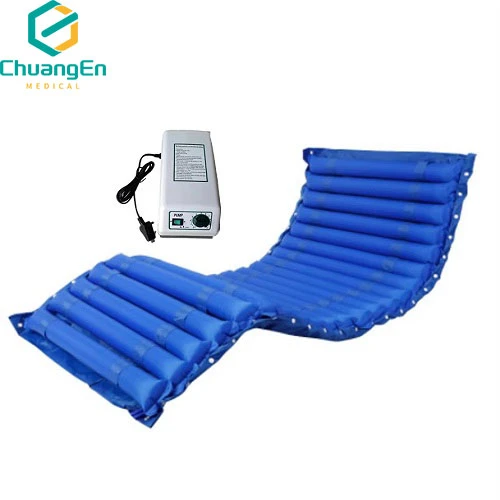
Simply put, an alternating bed mattress is a specialized mattress designed to prevent pressure ulcers by periodically redistributing pressure on the patient's body. The mattress contains air cells that inflate and deflate cyclically — think of it as a gentle shifting landscape under you, designed to promote blood flow and relieve tissue compression.
This technology might sound high-tech, but it’s elegantly simple: an electric pump alternates pressure between different sections, usually in 6 to 12-minute cycles, making sure no skin stays pressed against a hard surface for too long. Hospitals use them mainly for patients confined to beds for extended periods—after surgeries, injuries, or in chronic disease cases.
Beyond hospitals, you’ll find alternating mattresses in nursing homes, rehabilitation centers, and increasingly in home care settings, reflecting rising patient preference for dignity and comfort at home.
---
Core Components of an Alternating Bed Mattress
1. Pressure Redistribution Technology
At its heart, the mattress’s alternating air cells tackle the very cause of bedsores: constant pressure in one spot. By cyclically shifting support, it keeps tissues oxygenated and healthy.
2. Durability and Material Quality
Many engineers swear by mattresses with tear-resistant, waterproof covers, often made from polyurethane or PVC-coated nylon. These resist fluids and are easy to clean—critical for infection control.
3. Easy Maintenance and User Interface
Simple controls, reliable pumps, and clear alarms make the mattress practical in fast-paced wards. Nurses can adjust firmness or cycle timing, providing tailored care.
4. Cost Efficiency Over Time
While not cheap upfront, long-term savings from reduced wound care and shorter hospital stays make the investment worthwhile. Some manufacturers now offer rental models to improve accessibility.
5. Scalability for Different Patient Needs
From pediatric versions to bariatric sizes, the mattresses come in various sizes and capacities, addressing a broad spectrum of needs without reinventing the wheel.
---
Where Do Alternating Bed Mattresses Make the Biggest Difference?
Across continents and healthcare systems, their impact is tangible. In Europe and North America, alternating mattresses are practically mandatory for pressure ulcer prevention in critical wards and aged care. Many nursing homes adopt them as part of quality accreditation.
In post-disaster relief operations—where immobile patients may be fragile and nursing staff scarce—lightweight, portable alternating mattresses enhance care without setting up complex infrastructure. NGOs working in remote enclaves, like rural Southeast Asia or sub-Saharan Africa, utilize units that run on rechargeable batteries, making them lifesavers where power grids are unreliable.
And let me add, even home care agencies in urban centers are increasingly offering alternating mattresses as part of patient-at-home wellness packages, combining tech with compassionate care.
---
Product Specification Table: Typical Alternating Bed Mattress
| Feature |
Specification |
Notes |
| Air Cell Count |
18 cells |
Standard for full body coverage |
| Cycle Duration |
6 min (inflate/deflate) |
Adjustable in many models |
| Weight Limit |
Up to 250 kg (550 lbs) |
Suitable for bariatric care |
| Material |
Medical-grade nylon, PU cover |
Waterproof, anti-microbial |
| Power Source |
Electric pump, 110-240V AC |
Some models support battery backup |
---
Why Invest in an Alternating Bed Mattress? Advantages and Lasting Benefits
In practical terms, the alternating bed mattress saves lives and labor alike. It reduces the rate of pressure ulcers significantly—studies show up to a 50% decrease compared to standard mattresses. That means fewer antibiotics, less pain, and shorter hospital stays.
From a social standpoint, think about dignity. Patients who don’t develop bedsores feel more comfortable and respected. It builds trust between caregivers and the cared-for. And facilities enjoy financial savings from fewer complications, creating a virtuous cycle of improved care and cost management.
Environmentally, many mattresses now use recyclable materials and energy-efficient pumps, dovetailing nicely with healthcare’s push towards sustainability.
---
Innovations Shaping the Future of Alternating Bed Mattresses
Looking ahead, the mattress isn’t just about air cells and pumps anymore. Several manufacturers have started embedding IoT sensors that monitor pressure points and patient movement in real time, alerting staff automatically to risks.
Green materials are another focus—bio-based, biodegradable covers reduce landfill impact, while solar-powered or low-energy pumps curb electricity use in remote installations.
Automation and AI-driven algorithms promise even smarter cycling patterns tailored to individual patients’ physiology. It’s not sci-fi — it’s underway in pilot programs globally.
---
Challenges in Deploying Alternating Bed Mattresses and Possible Solutions
Oddly enough, despite their benefits, these mattresses can still be underused. Two main hurdles appear: cost and staff training.
Not every facility can afford the premium models, and cheaper alternatives might lack durability. Plus, nurses need to understand mattress care protocols to avoid device malfunction or misuse.
Innovative rental schemes and grant programs are helping bridge the cost gap. Meanwhile, online training modules and integrated hospital systems are improving adoption rates.
---
Frequently Asked Questions about Alternating Bed Mattresses
- Q: How does an alternating bed mattress prevent bedsores?
A: By cyclically inflating and deflating air cells under the patient, it redistributes pressure regularly. This prevents prolonged compression on any one area and promotes blood circulation, key to avoiding tissue breakdown.
- Q: Are alternating mattresses suitable for home use?
A: Absolutely. Many models are designed for home care with lightweight pumps and easy controls. Home users gain comfort and prevention benefits without hospital visits.
- Q: What maintenance is required?
A: Routine cleaning of the mattress cover using hospital-grade disinfectants and regular inspection of air cells and pump functionality suffice. Most come with clear user manuals.
- Q: Can the mattress accommodate heavier patients?
A: Many models support up to 250 kg (550 lbs), with specialized bariatric versions offering even higher limits to ensure safety and effectiveness.
- Q: How long does an alternating bed mattress typically last?
A: With proper maintenance, mattresses last between 3 to 5 years, although this varies by usage intensity and environment.
---
Closing Thoughts and a Quick Call to Action
In real terms, the alternating bed mattress represents a simple yet profound innovation—one that improves lives, eases healthcare burdens, and fits neatly into a future where care is both compassionate and technologically savvy. Given global ageing demographics and the rising emphasis on patient-centered care, its role will only grow.
If you’re interested in exploring advanced alternating mattress solutions tailored for clinical, home, or humanitarian settings, why not check out
alternating bed mattress options today? The right mattress is often the start of better outcomes and better days for patients everywhere.
---