What Is an Alternate Air Mattress and Why Does It Matter Worldwide?
If you’ve ever heard of pressure ulcers or bedsores, you might have stumbled across the term alternate air mattress. It’s a specialized medical device designed to prevent and treat these painful wounds, especially for patients who spend extended periods in bed. Globally, with aging populations and increasing chronic conditions, the need for effective pressure management solutions has skyrocketed.
Understanding alternate air mattresses isn’t just a niche nursing home concern; it’s a vital component of modern healthcare infrastructure, disaster response, and even home care. From reducing hospital stays to improving patient quality of life, these mattresses hold a surprisingly broad set of benefits.
The Global Context: Why Alternate Air Mattresses Are More Crucial Than Ever
According to the World Health Organization, pressure injuries affect up to 10% of hospitalized patients worldwide, causing prolonged recovery times and increasing healthcare costs dramatically. This issue is compounded by global demographic shifts—the UN reports over 700 million people aged 65+ as of 2020, and that number is expected to double by 2050.
In post-acute care, long-term care facilities, and emergency settings (imagine natural disaster zones or refugee camps), providing beds that reduce pressure damage isn’t just about comfort but about dignity and survival. The alternate air mattress emerges as a leading solution here, addressing a need that’s both medical and humanitarian.
So, What Exactly Is an Alternate Air Mattress?
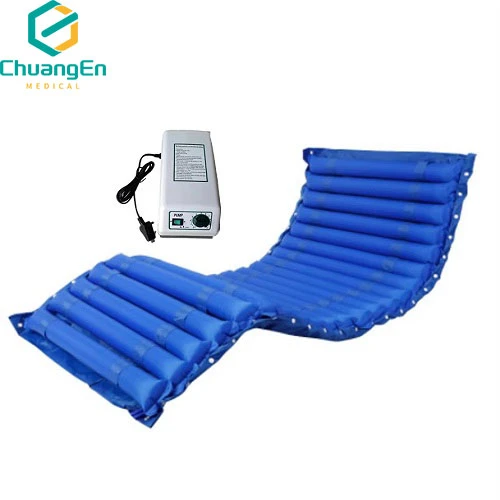
Put simply, an alternate air mattress is a bed system equipped with multiple air-filled cells or chambers that inflate and deflate alternately. This dynamic adjustment redistributes a patient's weight and relieves pressure from vulnerable areas, consequently preventing skin breakdown.
These mattresses differ from traditional foam or static air mattresses by their ability to cycle pressure zones, which is a game changer in patient care. They’re widely used not just in hospitals but also in home healthcare and even field hospitals in conflict or disaster zones.
Core Components of Alternate Air Mattresses
1. Durability
Materials need to withstand constant pressure changes without puncturing or losing air. Manufacturers often use high-grade PVC or TPU-coated fabrics that can last months or even years under continuous use. Durability matters because a failure can mean sudden discomfort or worse for a patient.
2. Pressure Adjustment & Cycling
The mattress alternates inflation among different air cells typically every 5 to 15 minutes. This cycling time is critical. Too fast may irritate the patient; too slow might reduce effectiveness. Many devices allow custom timing to suit patient needs.
3. Portability and Scalability
Especially in emergency scenarios, the mattress needs to be lightweight and easy to deploy. Some designs fold compactly and come with portable pumps, which has proved invaluable in field clinics and ambulances.
4. Cost Efficiency
Let’s be honest: healthcare budgets are tight. The balance between price and functionality can be tricky. Fortunately, alternate air mattresses span a broad price range, from affordable home-care versions to feature-rich hospital-grade models.
5. Hygiene and Maintenance
Given the risk of infections, mattresses must be easy to clean or have replaceable covers. Many models use antimicrobial fabrics and waterproof layering to meet stringent hospital sanitation standards.
Mini Takeaway:
Alternate air mattresses are basically the frontline defense against pressure-related injuries—practical, versatile, and designed with patient care nuances in mind. Understanding their core features helps buyers select the right fit for their needs.
Global Applications & Real-World Use Cases
- Hospitals: From ICUs to rehabilitation wards, hospitals use these mattresses to accelerate healing and reduce ulcers.
- Long-Term Care: Nursing homes rely on them to improve resident comfort and health outcomes.
- Emergency & Disaster Relief: Organizations like MSF (Doctors Without Borders) deploy them in refugee camps, where traditional beds aren’t available.
- Home Care: Caregivers use models suited to home spaces to help immobile patients maintain skin integrity.
- Remote and Industrial Zones: Field hospitals in mining or oil sites equip their patients with these specialized mattresses to reduce downtime due to injuries.
Example:
During the 2019 Cyclone Idai relief efforts in Mozambique, the Red Cross supplied over 500 alternate air mattresses to temporary medical tents. These helped prevent further complications among bedridden victims, reducing secondary infections.
Understanding the Advantages & Long-Term Benefits
Alternate air mattresses provide tangible savings by reducing the incidence of costly pressure ulcers, which the National Pressure Injury Advisory Panel estimates at over $9 billion annually in the U.S. alone. They also promote patient dignity, helping individuals feel less like a “case” and more like a person deserving comfort.
The consistent circulation prevents tissue damage, fostering faster healing times that ease strain on healthcare workers.
Emotional and Logical Advantages:
- Safety: Less tissue damage means fewer infections and complications.
- Dignity: Comfort for vulnerable patients.
- Innovation: Integration with smart pumps allows real-time pressure adjustment.
- Trust: Reliance by healthcare professionals worldwide signals proven effectiveness.
Alternate Air Mattress Specifications at a Glance
| Feature | Typical Hospital Model | Home Care Model |
|---|---|---|
| Size | 80" x 36" x 8" | 78" x 34" x 6" |
| Weight Capacity | Up to 350 lbs | Up to 300 lbs |
| Inflation Cycle | 8-12 minutes | 10-15 minutes |
| Pump Noise Level | ||
| Material | TPU-coated Nylon | PVC with antimicrobial cover |
How Do Vendors Compare? A Quick Look
| Vendor | Model Range | Price Range | Special Features | Warranty |
|---|---|---|---|---|
| Chuang en Medical | Standard & Advanced | $450 - $900 | Smart pump, remote control | 3 years |
| AirComfort | Home Care Models | $300 - $650 | Quiet pump, lightweight | 2 years |
| MediRest | Hospital Grade Premium | $700 - $1,200 | Auto adjust tech, multi-layer foam base | 5 years |
Innovations and the Future of Alternate Air Mattresses
There’s an exciting wave of innovation looming. We’re seeing integration of IoT-enabled pressure sensors that alert caregivers when manual adjustments are needed, or when a patient changes position. Materials too are evolving — bio-based TPU coatings are being trialed that reduce environmental impact.
Many manufacturers are exploring battery-powered pump systems, which improve portability and independence. Oddly enough, solar-powered pumps are also not far behind for field use in sunny climates.
Addressing Challenges: What Holds Back Broader Adoption?
- Cost Constraints: Some facilities hesitate due to upfront investment, though long-term savings are significant.
- Training Gaps: Staff need to be educated about proper mattress usage and maintenance.
- Wear and Tear: Rough handling in emergency conditions can damage sensitive air cells.
- Power Dependency: Pump failure during outages can be critical; backup solutions remain essential.
Emerging solutions include modular air cells that can be replaced individually, and improved battery backups. Training programs integrated into product purchase packages also help reduce misuse.
Frequently Asked Questions About Alternate Air Mattresses
1. How does an alternate air mattress compare to a foam mattress in preventing pressure ulcers?
Alternate air mattresses actively redistribute pressure by inflating and deflating air chambers, cutting down tissue ischemia. Foam mattresses provide static pressure relief but may not prevent ulcers effectively in high-risk patients. For patients bedridden long-term, the dynamic action makes alternate air mattresses preferable.
2. Can these mattresses be used outside of hospital settings?
Absolutely. Many home care models are designed for easy setup and operation by caregivers. Their portability makes them useful in disaster zones, field clinics, even ambulances. The key is matching the model to the specific environment and needs.
3. What kind of maintenance do alternate air mattresses require?
Routine cleaning with mild disinfectants, checking pump function regularly, and inspecting air cells for punctures are standard practices. Most manufacturers provide detailed guides and replacement parts. Regularly changing mattress covers helps maintain hygiene.
4. How long does an alternate air mattress typically last?
Durability depends on usage and maintenance, but well-built hospital-grade mattresses often last 3-5 years. Home models may have shorter lifespans due to lighter materials but can still serve efficiently for 2-3 years.
5. Are alternate air mattresses covered by insurance or healthcare programs?
In many countries, they are partially covered when prescribed by medical professionals for at-risk patients. Coverage varies widely, so checking local healthcare policies or insurance terms is advised.
In Conclusion: The Lasting Impact of Alternate Air Mattresses
When you boil it down, alternate air mattresses blend engineering, healthcare, and empathy into a single product category. They save lives indirectly by preventing wounds that spiral into serious infections; they save money by reducing hospital stays; and they save dignity by giving patients an ounce of comfort at vulnerable moments. Innovations in smart technology and materials promise even better solutions ahead.
If you want to explore a range of quality options, I recommend checking out Chuang en Medical’s alternate air mattresses—they stand out for combining durability with user-friendly features. It feels like a small investment with big returns.