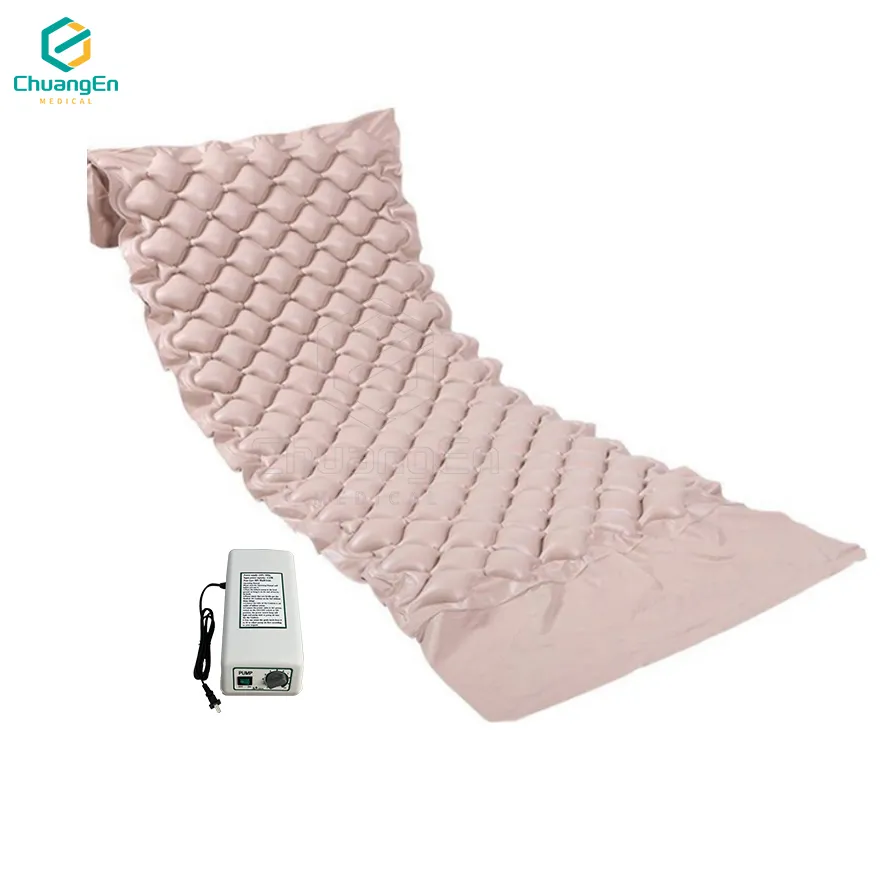
Why the Alternating Air Mattress Pad Deserves Your Attention
At first glance, an alternating air mattress pad might seem like just another piece of hospital equipment. But, in reality, this nifty solution plays a crucial role worldwide, especially in healthcare and humanitarian aid. From preventing pressure ulcers in bedridden patients to delivering comfort in disaster zones, understanding these pads taps into a broader conversation about dignity, care, and innovation in medical support devices.
Globally, pressure injuries remain a costly and harmful issue, affecting millions each year. The World Health Organization estimates that nearly 10% of patients in hospitals worldwide develop pressure ulcers during their stay — a statistic that's hard to ignore. Enter the alternating air mattress pad, a smart, often life-changing technology designed to relieve pressure points by cyclically inflating and deflating air cells under the patient.
Mini takeaway: These pads are more than comfort enhancers; they're vital for patient health and caregiver efficiency.
Understanding the Alternating Air Mattress Pad: What Is It, Really?
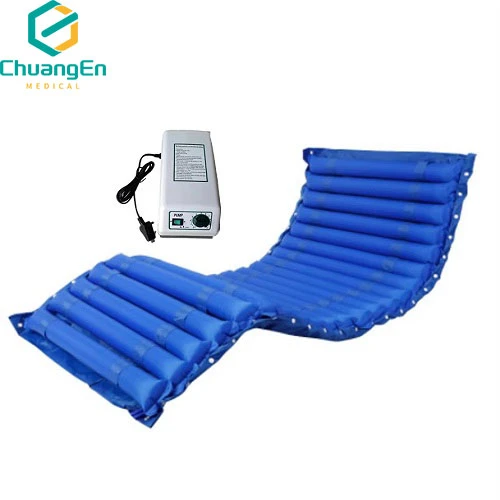
Simply put, an alternating air mattress pad is a medical-grade mattress overlay that uses a system of interconnected air cells. The pump activates cycles, alternating inflation and deflation across those cells to redistribute pressure and improve blood circulation for individuals confined to bed for extended periods.
While the concept sounds straightforward, the product's impact is significant in modern healthcare and humanitarian relief. It addresses critical problems like pressure ulcers, often called bedsores, which can lead to serious infections if untreated.
Core Components and Features of Alternating Air Mattress Pads
Durability and Material Quality
These pads are crafted from sturdy, medical-grade PVC or nylon materials that resist wear, punctures, and fluid penetration. The durability matters because hospitals and relief organizations need products that last through repeated cleanings and transport.
Adjustable Pressure Settings
Most advanced pads come with customizable pressure control to suit different patient weights and conditions. This adaptability enhances patient comfort and effectiveness.
Quiet yet Efficient Pumps
One often overlooked factor is the noise level of the pump units. Quieter operation improves patient rest, especially in intensive care or home settings.
Ease of Cleaning and Hygiene
Since infection control is paramount, materials need to support quick cleanings without damage. Many models feature removable covers and waterproof designs.
Portability and Power Options
For fieldwork or disaster zones, portability is key. Battery-powered or easily rechargeable pumps mean care can extend beyond typical hospital walls.
| Feature | Common Specification | Notes |
|---|---|---|
| Air Cell Material | Medical-grade PVC, Nylon blend | Durable and impermeable |
| Cycle Time | 8-12 minutes per full cycle | Adjustable by model |
| Weight Capacity | Up to 350 kg (770 lbs) | Suitable for bariatric patients |
| Pump Noise Level | Below 30 dB (decibels) | Quiet operation minimizes disturbance |
| Power Source | AC or rechargeable battery options | Essential for mobility and field use |
| Cover Material | Waterproof, breathable fabric | Reduces moisture buildup |
Mini takeaway: Quality materials and thoughtful features make alternating air mattress pads reliable for diverse scenarios, from hospital wards to emergency shelters.
Where in the World Do These Mattress Pads Really Make a Difference?
From hospitals in advanced economies to refugee camps in developing regions, alternating air mattress pads have found a critical niche. Here’s how:
- Healthcare Facilities: Across Europe and North America, they’re standard equipment to prevent and manage pressure ulcers in ICUs and long-term care.
- Disaster Relief Operations: In places hit by floods, earthquakes, or conflict — for example, Southeast Asia or the Middle East — NGOs use these pads to maintain patient care standards even in makeshift clinics.
- Home Care: With aging populations worldwide (UN reports suggest people over 65 will double by 2050), many seniors rely on alternating mattress pads for comfort and health at home.
- Remote Industrial Zones: Workers in mining or oil rigs often benefit from these pads during injury recovery, particularly where hospitals are distant.
As you can see, the alternating air mattress pad isn't just a hospital staple; it’s a global care innovation bridging gaps where traditional beds can’t keep up.
The Long View: Why Choose an Alternating Air Mattress Pad?
Beyond the obvious comfort boost, these mattress pads offer significant long-term benefits that healthcare providers and caregivers appreciate:
- Cost Savings: Preventing pressure ulcers reduces hospital stays and treatments, saving potentially thousands in medical bills.
- Sustainability: Modern pads use more eco-friendly materials, and longer-lasting designs cut down waste.
- Patient Dignity and Safety: Reducing pain and infection risk means patients maintain better quality of life and trust.
- Operational Efficiency: Many nurses report these pads make repositioning easier, saving time and reducing staff strain.
In short, it feels like a win-win: better outcomes for patients, smarter resource use for institutions.
What’s Next? Trends and Innovations Shaping Alternating Air Mattress Pads
Looking ahead, this technology continues evolving. Some trends to watch:
- Smart Monitoring: Integration of IoT sensors to track pressure points and adjust pump cycles automatically.
- Green Energy: Solar-powered or low-energy consumption pumps for off-grid use.
- Advanced Materials: Antimicrobial coatings and biodegradable materials in production.
- Enhanced Portability: Lightweight designs that fold compactly for emergency response.
So while the idea is hardly new, it certainly isn’t standing still.
Obstacles and How Industry Veterans Are Tackling Them
Not everything is rosy. Common challenges include:
- Power Dependence: Battery life and plug availability can limit pad use in remote areas.
- Initial Costs: Some healthcare budgets struggle with upfront investment despite long-term savings.
- Cleaning Complexity: Ensuring hygiene when staff is overstretched is demanding.
Experts suggest solutions like modular pump options, government subsidies, and durable easy-clean covers. Plus, training caregivers to optimize use protocols goes a long way.
Honestly, it feels like we’re on the cusp of better accessibility as innovation and experience converge.
Vendor Comparison: Who’s Leading the Alternating Air Mattress Pad Game?
| Vendor | Key Features | Price Range (USD) | Ideal Use Case |
|---|---|---|---|
| ChuangEn Medical | Quiet pump, waterproof cover, battery backup | $220 - $350 | Hospitals, field clinics, home care |
| MedComfort Ltd. | Auto pressure adjustment, antimicrobial fabric | $280 - $400 | Long-term care facilities |
| EuroCare Supplies | Solar charging option, foldable design | $300 - $450 | Disaster relief and remote sites |
Frequently Asked Questions About Alternating Air Mattress Pads
Q1: Can I use an alternating air mattress pad at home for an elderly relative?
A1: Absolutely. Many models are designed for home use, especially for patients with limited mobility. They provide pressure relief and are relatively easy to operate. Just ensure you have a compatible power source and follow cleaning guidelines carefully.
Q2: How often should the air cells alternate inflation?
A2: Typically, the recommended inflate/deflate cycle runs between 8 to 12 minutes. This cycle prevents prolonged pressure on one area, promoting blood flow effectively. However, some high-end pads offer adjustable timing to suit patient needs.
Q3: Are these pads suitable for overweight or bariatric patients?
A3: Yes, many alternating air mattress pads are rated to support weights up to 350 kg (770 lbs). Confirm the product specifications to ensure compatibility with bariatric care requirements.
Q4: How do these pads help in disaster relief zones?
A4: They offer portable, easy-to-set-up pressure relief solutions where conventional beds aren’t available. Battery-operated pumps and durable materials help maintain patient care standards amid challenging environments.
Q5: What maintenance is needed for longevity?
A5: Routine cleaning of covers with disinfectants, regular inspection for leaks, and occasional pump servicing will extend the pad’s lifespan. Proper storage when not in use also helps.
Final Thoughts
The alternating air mattress pad might not garner headlines, but it quietly advances patient care, humanitarian support, and comfort worldwide. With clear health benefits, thoughtful design, and growing innovations, its role is only set to expand.
If you’re looking to explore or supply alternating air mattress pad solutions, check out trusted vendors and stay updated on the evolving product landscape. The right choice could profoundly impact well-being and care standards.
References:
1. World Health Organization. Pressure Ulcers and Their Prevention. www.who.int
2. United Nations Department of Economic and Social Affairs, Population Division. World Population Prospects. population.un.org
3. ISO 13485: Medical devices — Quality management systems. www.iso.org