What Is an Alternating Air Overlay and Why It Matters Today
If you’ve ever cared for someone bedridden or worked in healthcare facilities, the term alternating air overlay probably rings a bell. But beyond the clinical jargon, it’s a remarkable solution addressing a global challenge: preventing pressure ulcers (bedsores) in vulnerable patients. Around the world, millions suffer from skin breakdown due to prolonged immobility—a problem costing billions in healthcare, lowering quality of life, and even increasing mortality. So understanding alternating air overlays isn’t just a technical detail; it’s about dignity, comfort, and smarter care on a massive scale.
These specialized mattress toppers continuously shift air pressure, redistributing weight and improving skin blood flow, thereby stopping wounds before they start. In short, they save lives and lighten care burdens.
The Global Context: The Rising Need for Better Pressure Care
Worldwide, the aging population and rising chronic illness rates have amplified pressure injury risks. According to the World Health Organization, pressure ulcers affect up to 23% of hospitalized adults in some regions, with even higher figures in long-term care. This isn’t just a clinical inconvenience; the United Nations estimates the cost of pressure ulcer care runs into tens of billions annually.
Moreover, in regions with limited healthcare infrastructure, the risk is compounded. Patients in remote or disaster-struck areas who endure long immobilizations lack access to quality bedding and preventive care. Here, an alternating air overlay can be a game-changer, delivering affordable, portable pressure relief where it’s needed most.
But it’s not perfect: existing devices can be bulky, noisy, or power-heavy. The challenge globally is finding a balance of cost, durability, and effectiveness.
Defining Alternating Air Overlay: A Simple Explanation
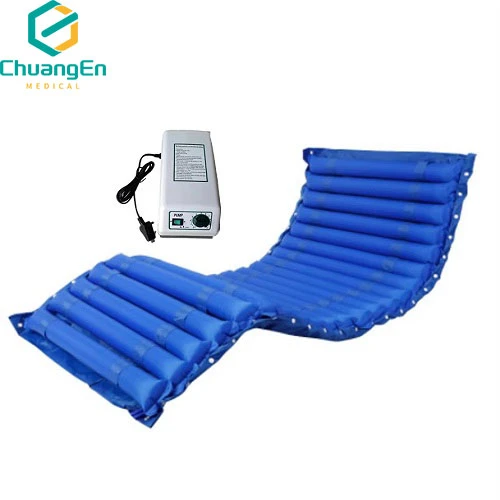
At its core, an alternating air overlay is a thin, inflatable mattress cover fitted with multiple air cells that alternately inflate and deflate on a timer. This rhythmic change in pressure mimics natural movement, stopping the constant pressure points that cause skin breakdown.
While similar to full alternating air mattress systems, overlays sit atop a mattress, making them lighter, easier to deploy, and often more economical. This is why they’ve become popular in hospitals, nursing homes, and even home care—in short, anywhere bedsores are a concern.
The technology itself leans on modern materials like polyurethane and low-friction fabrics, combined with small, quiet compressors and intuitive controls, to provide user-friendly relief.
Core Components of Alternating Air Overlays: What Matters Most?
1. Durability and Material Quality
Good overlays must withstand daily use, repeated cleaning, and patient movement. Materials that resist punctures and tears, yet remain flexible and breathable, are essential. Oddly enough, the fabric’s texture also influences patient comfort and skin health.
2. Pressure Distribution and Cycle Timing
The heart of effectiveness lies in how well the overlay redistributes weight. Alternating cycles typically run every 6-12 minutes, but some products offer customizable intervals based on patient needs. Engineers say this timing plays a significant role in effectiveness and user comfort.
3. Power Consumption and Noise Level
Especially in resource-limited settings, low energy use is critical. Quiet operation is also vital in patient spaces to avoid disturbance. Some units even run on rechargeable batteries for portability.
4. Ease of Maintenance and Cleaning
Given infection concerns, overlays must be easy to clean and designed to minimize bacterial growth. Removable, washable covers and smooth surfaces help nurses maintain sanitary conditions faster.
5. Portability and Size Compatibility
Many healthcare providers need overlays that fit standard hospital beds and are compact enough for transport. Lightweight designs facilitate use in mobile clinics or disaster zones.
Mini takeaway: While these elements sound technical, they boil down to “comfort, reliability, and accessibility” — attributes that really shape patient experience.
Real-World Applications of Alternating Air Overlays
The reach of alternating air overlays is wide and growing:
- Hospitals and Long-Term Care: The classic setting, where vulnerable patients benefit daily.
- Home Health Care: Aging-in-place trends have boosted demand for overlays suited to home beds without complex setups.
- Disaster Relief and Refugee Camps: Organizations like the Red Cross use compact overlays to mitigate pressure injuries in makeshift medical spaces.
- Remote Industrial and Mining Sites: Workers often endure extended shifts with limited rest facilities, where mobile overlays enhance safety.
For instance, a recent UN report highlighted overlay use in refugee camps in sub-Saharan Africa, reducing pressure ulcers by 40% in chronic patients. These are not just statistics; they reflect real human relief.
Advantages and Long-Term Value Beyond Prevention
While avoiding pressure ulcers is the primary benefit, overlays offer more:
- Cost Savings: Reducing wound care saves on hospital stays, treatments, and related complications.
- Improved Patient Dignity: Staying ulcer-free means less pain, fewer interventions, and better quality of life.
- Sustainability: Durable overlays cut waste by lasting years and often use environmentally friendlier materials.
- Caregiver Ease: Nurses appreciate tools that reduce workload and prevent complications.
On a human level, patients report better sleep and less anxiety once equipped with an alternating air overlay—a subtle reminder that innovation isn’t just technical, but deeply personal.
Future Trends and Innovations in Alternating Air Overlay Technology
The sector is far from standing still. Emerging innovations include:
- Smart Overlays: Sensors track pressure points and automatically adjust inflation cycles for personalized care.
- Green Energy Integration: Solar-powered compressors aim to reduce carbon footprints, especially in off-grid areas.
- Advanced Materials: Antimicrobial coatings and breathable fabrics extend hygiene and comfort.
- Digital Monitoring: Cloud-based dashboards for remote patient alerts and care adjustments.
It's fascinating how healthcare textiles meet IoT—creating overlays that are almost “alive” in their responsiveness.
Common Challenges and Smart Solutions
Despite the positives, several challenges exist:
- Cost Barriers: High-quality systems can be expensive upfront, limiting access in low-income regions. Some NGOs combat this by bulk purchasing and simplifying designs.
- Power Dependence: In places with unstable electricity, battery-powered or manual systems have stepped in.
- Patient Compliance: Some users find overlays uncomfortable or noisy, so manufacturers focus on ergonomic design and ultra-quiet pumps.
- Maintenance Issues: Training caregivers on upkeep reduces failures and prolongs overlay life.
Experts recommend combining overlays with good patient repositioning protocols—for the best outcomes.
Product Specification Table: Typical Alternating Air Overlay
| Feature | Specification | Notes |
|---|---|---|
| Dimensions | 84 x 36 inches | Fits standard hospital beds |
| Weight Capacity | Up to 450 lbs | Suitable for most adults |
| Cycle Time | 6 - 12 minutes (adjustable) | Optimizes pressure relief |
| Power Source | 110-240V AC or battery option | Portable and flexible |
| Noise Level | Quiet for restful sleep | |
| Materials | Thermoplastic urethane, nylon cover | Durable and easy to clean |
Vendor Comparison: Popular Alternating Air Overlays
| Brand | Price Range (USD) | Power Options | Warranty | Key Feature |
|---|---|---|---|---|
| AirComfort Pro | $450 - $600 | AC & battery | 2 years | Ultra-quiet pump, adjustable cycles |
| HealMate Overlay | $320 - $470 | AC only | 1 year | Water-resistant, antimicrobial cover |
| SafeRest Deluxe | $400 - $550 | AC & rechargeable battery | 3 years | Battery endurance up to 8 hours |
Frequently Asked Questions About Alternating Air Overlays
- Q: How does an alternating air overlay prevent bedsores more effectively than a static mattress?
- A: It cyclically changes pressure points by inflating and deflating air cells, improving blood flow and preventing skin damage that static pressure causes. This dynamic redistribution mimics natural movement—something static surfaces can’t provide.
- Q: Can alternating air overlays be used at home for elderly family members?
- Absolutely. They’re designed to be lightweight and easy to use, making them ideal for home care. Many models have quiet pumps and simple controls suitable for non-professionals.
- Q: What maintenance is required to keep an alternating air overlay functional?
- Routine checks for punctures, cleaning removable covers regularly, and verifying the pump’s operation ensure long service life. Training caregivers in simple troubleshooting helps prevent downtime.
- Q: Are these overlays compatible with hospital beds worldwide?
- Most overlays come in standard sizes to fit typical hospital and medical beds globally. It’s always good to check dimensions beforehand, but adaptability is a design priority.
- Q: How do power outages affect these overlays, especially in remote areas?
- Many modern units include battery backups or options for rechargeable power packs to maintain operation during outages—a critical feature improving patient safety in low-resource settings.
Wrapping It Up: Why an Alternating Air Overlay Is a Care Essential
In real terms, alternating air overlays stand at the intersection of innovation and compassion. They address an urgent global health challenge with practical, proven technology that’s continuously evolving. Whether you’re a healthcare professional, a family caregiver, or part of a humanitarian organization, understanding and implementing these overlays can radically improve outcomes.
They’re more than just equipment; they’re about preventing suffering before it starts. If you want to learn more or explore products that meet diverse needs, I suggest you check out alternating air overlay providers who combine quality and innovation for practical impact.