Understanding the Airflow Hospital Bed: Comfort, Care, and Innovation
In the world of medical technology where comfort and patient care jump hand in hand, the airflow hospital bed emerges as a quiet revolution. But what exactly is this, and why should hospitals, caregivers, and even medical product buyers around the globe be paying closer attention? At its core, an airflow hospital bed improves patient recovery through better pressure distribution and temperature regulation, reducing risks like pressure ulcers and discomfort. These beds aren’t just another piece of hospital furniture — they’re a part of a larger movement to blend healthcare with technology and sustainability.
Global Context: Why Airflow Hospital Beds Matter Now More Than Ever
With aging populations growing worldwide, according to the UN’s 2020 World Population Ageing Highlights, hospitals face mounting pressures to enhance patient comfort while minimizing long-term complications like bedsores. In addition, the World Health Organization estimates that pressure injuries affect up to 10% of hospitalized patients globally. This elevates the role of better bed technology from a luxury to an essential for quality care.
Airflow hospital beds address this by integrating air circulation systems beneath patients, improving skin microclimates, and helping hospitals reduce prolonged stays associated with bed-related complications. In short, they’re a practical solution to a widespread, costly healthcare challenge.
Mini takeaway: The demand for airflow hospital beds is rising due to global aging trends and the need to reduce pressure-related injuries in clinical settings.
What Exactly Is an Airflow Hospital Bed?
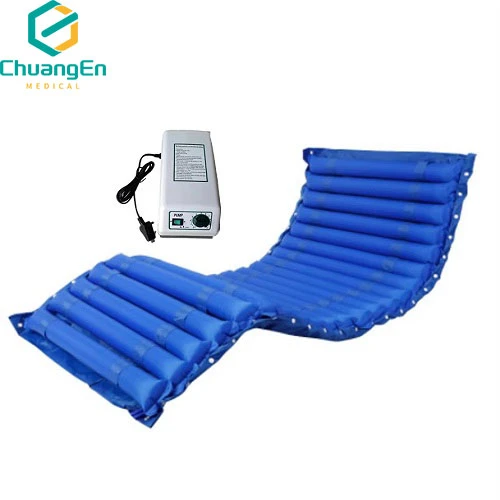
Simply put, an airflow hospital bed is a medical bed designed with a built-in air circulation system — either through perforated mattress layers or integrated blowers — allowing continuous airflow around the patient’s body. This airflow can help regulate temperature, humidity, and pressure on vulnerable skin areas.
Unlike traditional foam mattresses or just gel layers, airflow beds actively manage the microclimate, preventing skin maceration and pressure ulcers, a major boon for immobile patients. They have become popular in advanced healthcare environments and disaster-relief field hospitals where patient comfort is critical but difficult to maintain.
Breaking Down the Core Components of Airflow Hospital Beds
1. Mattress with Air Channels
At the heart is the mattress — typically made from multi-layered foam or hybrid materials but uniquely built to allow air movement. Tiny channels or perforations let air flow through, keeping the patient’s skin dry and ventilated.
2. Integrated Air Pump or Blower System
Most beds include a low-noise electric blower that circulates air through the mattress or around the patient. This system is energy-efficient but reliable, and some even allow adjustable airflow rates based on patient needs.
3. Robust Frame and Adjustable Positions
As expected, hospital beds must adjust to multiple angles — head elevation, leg raises, trendelenburg positions — all while accommodating the airflow mechanism without choking it off. The design balances durability with patient ergonomics.
4. Antimicrobial and Easy-to-Clean Materials
Hospitals demand hygiene. Airflow beds often feature fabrics treated with antimicrobial agents and waterproof mattress covers that don’t impede air movement — an engineering challenge in itself but increasingly standard.
5. Control Interface & Integration
Some advanced models connect with nurse call systems or patient monitoring, allowing caregivers to tweak settings remotely or get alerts about air pressure irregularities.
Mini takeaway: The best airflow hospital beds are an intricate balance of air circulation, patient comfort features, hygiene, and usability.
Real-World Applications: Where Airflow Hospital Beds Shine
Globally, airflow hospital beds have proven their worth in a variety of settings:
- Long-term care facilities: Elderly patients confined to beds benefit tremendously from airflow to prevent pressure ulcers.
- ICUs & rehabilitation centers: Critical patients with limited mobility and fragile skin.
- Disaster relief and remote clinics: In emergency field hospitals following earthquakes or floods, these beds help maintain hygiene and comfort despite difficult conditions.
- Home healthcare: Increasingly, airflow beds are being recommended for homebound patients who require extended care.
A case in point: a remote clinic in the Philippines, struck by typhoon events, reported markedly lower pressure injury rates after integrating airflow beds in their recovery wards — a clear win for nursing staff and patients alike.
Advantages That Make Airflow Hospital Beds Worth the Investment
- Reduced skin breakdown: Improved air circulation prevents moisture buildup and ulcers.
- Enhanced patient comfort: Cooler temperatures and adjustable airflow mean better sleep and recovery.
- Lower healthcare costs: Fewer complications translate to shorter hospital stays and less treatment.
- Environmentally friendlier designs: New models use energy-saving blower motors and eco-conscious materials.
- Improved caregiver efficiency: Ergonomic controls and lower incidence of pressure-related wounds mean less time spent on intensive skin care.
Mini takeaway: Their benefits extend beyond patients – airflow hospital beds create positive ripple effects for healthcare facilities, staff, and budgets.
Looking Ahead: Future Innovations in Airflow Hospital Beds
What’s next? The growth in smart hospital technologies promises airflow beds that better integrate with patient monitoring systems and even AI-driven adjustment protocols. Imagine beds that automatically regulate airflow based on real-time skin condition sensors or room humidity.
Besides digital integration, materials science is working on ultra-breathable, antimicrobial mattress covers that last longer while remaining biodegradable. Solar-powered air blowers or low voltage systems designed for off-grid clinics are already entering markets in developing countries.
Challenges and How They’re Being Tackled
Despite the promise, airflow hospital beds face hurdles:
- Cost barriers: Many models remain pricey for low-resource settings, although leasing and modular designs are improving access.
- Maintenance needs: Blower units require upkeep to stay effective, calling for reliable service networks.
- Patient unfamiliarity: Some users feel less secure on airflow surfaces until acclimated.
- Power dependency: In unstable grids, blower functionality becomes a limitation.
Innovators respond with more affordable, modular bed designs and hand-powered airflow options for emergencies. Training nurses and caregivers about the beds’ benefits also helps smooth adoption curves.
Product Specification Table: Typical Airflow Hospital Bed
| Feature | Specification | Notes |
|---|---|---|
| Dimensions | 90" L × 36" W × 24" H (adjustable) | Fits standard hospital rooms |
| Mattress Type | Multi-layer foam with airflow channels | Promotes pressure relief and ventilation |
| Blower Noise Level | Suitable for patient rest | |
| Control | Electronic with manual override | Adjust airflow and bed position |
| Weight Capacity | Up to 450 lbs (204 kg) | Sturdy frame with safety locks |
| Power Source | Standard AC 110-240V / Battery backup option | For uninterrupted air circulation |
Vendor Comparison: Leading Airflow Hospital Bed Manufacturers
| Vendor | Price Range (USD) | Key Features | Global Reach | Support & Warranty |
|---|---|---|---|---|
| MedAir Solutions | $3,500 - $5,200 | Advanced airflow motors, antimicrobial covers | North America, Europe, Asia | 5 years / onsite service |
| HealTech Medical | $2,800 - $4,100 | Modular design, energy-efficient blower | Global (strong in developing nations) | 3 years / remote diagnostics |
| GlobalCare Beds | $3,900 - $5,500 | Smart bed controls, integrated nurse alerts | Europe, Middle East, Asia-Pacific | 4 years / customer training program |
Frequently Asked Questions About Airflow Hospital Beds
Q1: How does the airflow system prevent pressure ulcers?
Airflow hospital beds improve skin health by constantly circulating air around pressure points. This reduces heat and moisture build-up that typically cause skin breakdown, helping to maintain healthier tissue and minimizing ulcer formation over time.
Q2: Are airflow hospital beds suitable for home care use?
Absolutely. Many models are designed for both clinical and home environments. They provide immobile or long-term bedridden patients with enhanced comfort and skin protection. However, proper setup and maintenance are crucial for optimal benefits.
Q3: What maintenance do these beds require?
Routine checks should include cleaning mattress covers, inspecting the blower unit, and ensuring the air channels remain unblocked. Manufacturers usually provide guidelines. Regular maintenance extends bed lifespan and performance.
Q4: Are these beds energy-intensive?
Modern airflow hospital beds use energy-efficient blowers designed to keep power consumption low. Some models feature automatic shut-off or power-saving modes. Battery backups help in case of outages.
Conclusion: The Long-Term Value of Investing in Airflow Hospital Beds
In real terms, airflow hospital beds marry innovation with compassion, offering a solution that helps patients heal comfortably and hospitals operate efficiently. Whether it's a bustling urban ICU, a rural healthcare center, or a home care setting, these beds reduce risks, cut costs, and enhance dignity for patients worldwide. It feels like a win-win in every sense.
Curious to explore what an airflow hospital bed could do for your facility? Visit our website at airflow hospital bed to discover more.