Why the Low Air Loss Mattress Pump Matters in Today’s Healthcare
If you’ve ever spent time in a hospital or cared for someone with limited mobility, you’ve likely encountered or heard about specialized mattresses designed to prevent pressure ulcers. The humble low air loss mattress pump plays a critical role behind the scenes in these life-changing products. Globally, with aging populations and increased chronic care needs, the demand for pressure injury prevention technologies like this has soared—so it’s not just a niche healthcare tool anymore; it’s part of a broader, urgent public health conversation.
Why care about this pump? Because pressure ulcers—those stubborn, painful bedsores—affect millions worldwide and cost healthcare systems billions to treat every year. Understanding how a low air loss mattress pump works and why it's indispensable can help patients, caregivers, and providers make smarter, more empathetic choices.
The Global Context: Addressing a Quiet Epidemic
Pressure ulcers are more common than many realize. The World Health Organization estimates that around 10% of hospitalized patients develop these wounds at some point during their stay. Aging demographics in Europe, North America, and increasingly Asia promise to expand the at-risk population.
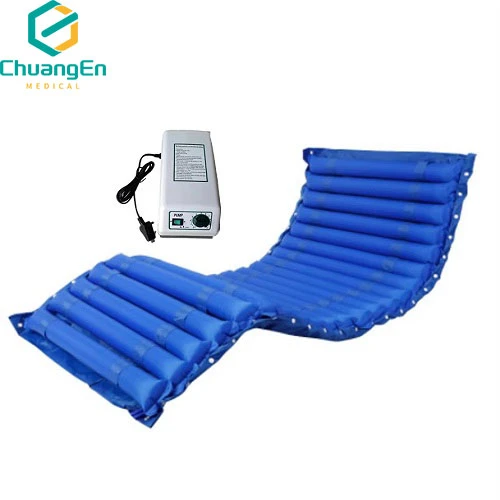
The European Pressure Ulcer Advisory Panel (EPUAP) and National Pressure Injury Advisory Panel (NPIAP) have strongly recommended using dynamic support surfaces, notably low air loss mattresses, to mitigate this burden. At the heart of these systems is the low air loss mattress pump, a device that intelligently directs airflow to maintain optimal skin microclimate, reducing shear forces and moisture buildup.
It’s this functionality that makes a low air loss mattress pump a quiet hero across hospitals, long-term care facilities, and even home care settings globally, especially in regions grappling with stretched healthcare resources.
What Exactly Is a Low Air Loss Mattress Pump?
Simply put: a low air loss mattress pump is a specialized air pump designed to regulate air pressure within a mattress that gently cushions and relieves pressure over bony areas of a patient's body. Unlike standard air pumps, it carefully controls airflow to both inflate mattress cells and allow a gentle "air flow out" through tiny holes in the mattress surface.
This delicate balance reduces moisture and heat build-up—two major contributors to skin breakdown. It’s a sophisticated but low-maintenance technology supporting patient comfort and skin integrity around the clock.
You might think this sounds somewhat technical, but in practical terms, it translates into fewer wounds, less pain, and quicker recovery times. Human dignity, after all, is often measured in these small comforts and protections.
Core Components: What Makes These Pumps Tick?
1. Airflow Control & Pressure Regulation
The pump’s core function is to vary air pressure dynamically across the mattress cells. This is essential to redistribute body pressure and keep skin tissue healthy. Many pumps include microprocessor controls for precise adjustments.
2. Durability & Reliability
A pump must run consistently—often 24/7—for months on end. Whether it’s made from corrosion-resistant metals or high-grade plastics, durability ensures patients aren’t left vulnerable in the middle of the night.
3. Noise Level & Energy Efficiency
Oddly enough, a pump may be very powerful but rendered useless if it’s loud enough to disrupt sleep. Today’s models prioritize quiet operation alongside low power consumption—important both for patients’ rest and healthcare providers’ energy budgets.
4. Portability & User-Friendly Design
Many units now come with easy handles, compact profiles, and intuitive controls, enabling nurses or family members to quickly set up and maintain the system—even at home.
5. Compatibility & Maintenance Features
Sort of a ‘plug and play’ concept applies here: the pump needs to work seamlessly with different mattress types. Filters, alarms, and self-diagnostic software are big pluses to avoid downtime.
Mini Takeaway:
In short, a low air loss mattress pump isn’t just an air blower; it’s a precise, resilient device designed to support prolonged patient care comfortably and safely.
Real-World Applications: Where Are These Pumps Making a Difference?
In hospitals across North America and Europe, these pumps are integral to intensive care units and post-surgical wards. In Japan and South Korea’s aging societies, they help long-term care facilities maintain higher quality of life for elderly residents.
In humanitarian settings, too, their usage has risen. NGOs managing post-disaster shelter camps use them to prevent pressure sores in vulnerable populations who must remain immobile due to injury or chronic illness.
Industrial sectors with remote sites—say, mining camps in Australia or offshore oil platforms—have also adopted low air loss mattress systems for onsite medical rooms, emphasizing occupational health.
Here’s a quick sketch illustrating specs of a commonly used model:
| Specification |
Detail |
| Airflow Rate |
8 - 15 L/min |
| Pressure Range |
20 - 100 mmHg adjustable |
| Noise Level |
≤25 dB(A) |
| Power Consumption |
30 W (typical) |
| Weight |
Approx. 5 kg |
| Warranty |
2 years |
How Different Vendors Stack Up
Not all low air loss mattress pumps are created equal. Here’s a rough comparison of three well-known suppliers—this gives a sense of how features and prices can vary:
| Vendor |
Price Range (USD) |
Key Features |
Ideal Use Case |
| AirFlow HealthTech |
$1,200–1,500 |
Quiet operation, digital display, advanced alarms |
Hospitals & long-term care |
| MedComfort Systems |
$900–1,100 |
Lightweight design, basic pressure adjustment, filter alert |
Home care & small clinics |
| CuraPump Pro |
$1,400–1,700 |
Wireless monitoring, auto-pressure cycling, low power mode |
High-end medical & rehabilitation centers |
Why Invest in Low Air Loss Mattress Pumps? The Upside
First off, they’re proven to cut down pressure ulcer occurrence—and that means shorter hospital stays, less pain, and lower infection risks. From a cost perspective, preventing these wounds can save healthcare providers thousands per patient, not to mention the human benefits.
There’s also something deeply reassuring about a pump you can trust to work without fail. Nurses can focus more on care, families can breathe easier knowing a loved one’s comfort is prioritized, and engineers behind the scenes can =innovate further.
Moreover, with greener models entering the market, these pumps contribute to sustainable healthcare practices—lower energy consumption, recyclable materials, quieter systems—all part of a future-conscious approach.
Looking Ahead: Trends to Watch
Digital transformation isn’t skipping medical air pumps. Smart sensors now measure patient movement and adapt airflow automatically. Integration with hospital monitoring systems enables real-time alerts.
Also, emerging materials reduce weight without sacrificing durability—for instance, medical-grade composites. Solar-powered portable designs are popping up, especially for off-grid humanitarian missions.
Policy-wise, international organizations are advocating for minimum standards around pressure injury prevention tools, pushing manufacturers to innovate further while keeping devices affordable and accessible.
Challenges and How Experts Say We Overcome Them
One limitation of low air loss mattress pumps is maintenance complexity in low-resource environments. Filters need regular changes, and electrical parts can fail without proper care.
Experts recommend designing pumps with modular, easily replaceable parts, plus remote diagnostics to detect faults early.
Another challenge is cost—especially for smaller clinics or developing regions. Here, partnerships between manufacturers and NGOs to subsidize prices or build durable, low-cost alternatives are promising.
FAQ: Your Top Questions Answered
- What distinguishes a low air loss mattress pump from a standard air mattress pump?
The key difference lies in airflow control: low air loss pumps not only inflate mattress cells but also gently vent air through tiny perforations, reducing moisture and heat that cause skin damage.
- Can I use a low air loss mattress pump at home?
Absolutely. Many devices are designed with portability and ease-of-use in mind, including simple controls and quiet operation, making them ideal for home care settings.
- How often does maintenance like filter replacement need to happen?
Typically, filters should be checked monthly and replaced every 3-6 months, depending on the environment and manufacturer's recommendation.
- Are there energy-efficient options available?
Yes, newer models consume less power and some feature sleep modes that cut energy use when patient movement is detected.
- Where can I find reliable suppliers for low air loss mattress pumps?
Trusted vendors include AirFlow HealthTech, MedComfort Systems, and CuraPump Pro, among others. For a broader selection, low air loss mattress pump specialists often provide detailed catalogs and customer support.
Conclusion: A Small Device With Big Impact
The low air loss mattress pump might look like just another medical gadget, but its benefits ripple far beyond the bedside. By safeguarding skin integrity, enhancing comfort, and bridging healthcare gaps across diverse settings, it embodies what smart, empathetic medical design should be about. With ongoing innovations and growing global demand, the pump’s role is only set to grow more vital—and it’s worth keeping an eye on this unsung hero of patient care.
For more detailed specifications and purchasing options, don’t hesitate to visit
our website.
References
- Pressure Ulcer - Wikipedia
- WHO Fact Sheet: Pressure Ulcers
- ISO 13485: Medical Devices Quality Management