Understanding the Low Air Loss Air Mattress: A Vital Solution in Modern Healthcare
So, what exactly is a low air loss air mattress and why has it become such a game changer across the world? In short, these mattresses are specialized healthcare devices designed to reduce pressure and promote healing for patients who spend extended periods in bed. Globally, with populations aging and hospital stays lengthening, pressure ulcers (or bedsores) are a persistent challenge. The demand for effective prevention and treatment options drives the growing use of low air loss air mattresses. Understanding their technology and roles is essential not only for healthcare professionals but also for caregivers and facility managers worldwide.
Global Relevance: A Pressing Health and Economic Concern
Pressure injuries affect millions annually—estimates suggest up to 2.5 million cases in the United States alone, costing over $9 billion. According to the World Health Organization and United Nations reports, as the global population ages, the incidence of immobility-related complications is rising, especially in long-term care settings. Low air loss air mattresses address these issues head-on by consistently redistributing pressure and managing moisture, which are key factors in ulcer formation.
Oddly enough, even in less resourced healthcare systems, the need for effective pressure management surfaces often, making this technology relevant across varying income levels and climates. The mattress isn’t just a medical device; it’s a lifeline for dignity and comfort in vulnerable patients’ lives.
Defining the Low Air Loss Air Mattress
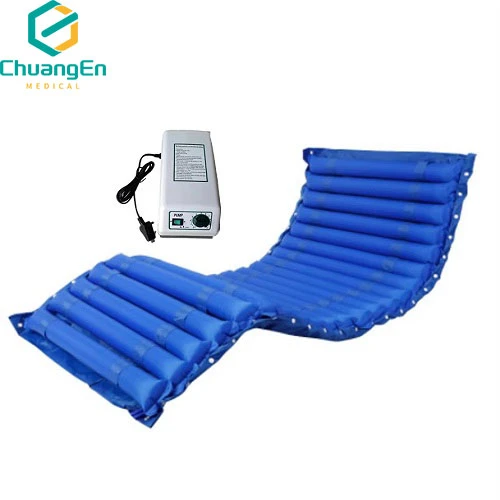
At its core, a low air loss air mattress is an inflatable mattress designed with a specific airflow system. Rather than just supporting the body, it gently circulates low-pressure air over the patient’s skin. This air flow reduces moisture buildup and helps distribute pressure evenly to minimize skin breakdown. The mattress typically consists of multiple air cells interconnected and controlled via a pump system, often adjustable to suit patient needs.
In practical terms, this means patients at risk for pressure ulcers—think spinal injury cases, elderly patients, or those in intensive care—receive a surface that actively protects their skin and tissue health. Modern healthcare and humanitarian relief settings rely on these mattresses for both prevention and treatment, especially in long-term or critical care scenarios.
Core Components and Key Factors
1. Airflow Management
The hallmark feature is the circulation of air in and around the patient’s skin. The mattress uses “low air loss” technology — which means carefully controlled airflow with minimal pressure — to keep skin dry and help circulation. This can greatly reduce bacterial proliferation linked to moisture.
2. Pressure Redistribution
The multiple air cells inflate and deflate, either alternatingly or steadily, reducing localized pressure points. This dynamic support is crucial to prevent ischemia (lack of blood flow) in tissues prone to damage, like heels, sacrum, and elbows.
3. Durability and Material Quality
Constructed with medical-grade vinyl or polyurethane-coated fabrics, these mattresses are designed for long-term use. They resist tears and punctures while remaining comfortable and breathable.
4. Ease of Use and Maintenance
Healthcare workers value mattresses that are easy to clean, control, and repair. Pumps with intuitive interfaces and interchangeable parts improve efficiency and reduce downtime.
5. Cost Efficiency
Though more expensive than traditional foam mattresses upfront, long-term cost savings come from reduced treatment costs for pressure ulcers — something hospitals and care centers weigh carefully.
Low Air Loss Air Mattress Product Specifications
| Specification | Typical Value |
|---|---|
| Weight Capacity | Up to 350 lbs (158 kg) |
| Air Cells | 12-20 interconnected cells |
| Airflow Rate | 4-8 cfm (cubic feet per minute) |
| Pump Noise Level | ≤ 30 dB (quiet operation) |
| Power Consumption | ~35 W average |
| Control Features | Adjustable pressure, alarm system for low pressure |
Real-World Applications Across the Globe
Healthcare providers in developed countries rely heavily on low air loss air mattresses in hospitals, nursing homes, and rehabilitation centers. But they aren’t limited to wealthy settings. Take post-disaster relief scenarios, for example: organizations working in earthquake or flood zones equip field hospitals with these mattresses to prevent wounds in patients lying in temporary shelters.
Remote industrial hubs with limited access to specialized healthcare also use these mattresses, often alongside telemedicine support, to improve patient outcomes. The low air loss air mattress plays a subtle but critical role in these contexts: maintaining patient integrity where advanced care might be hours away.
Vendor Comparison Table: Leading Low Air Loss Air Mattress Providers
| Vendor | Price Range | Key Features | Warranty |
|---|---|---|---|
| ChuangEn Medical | $1200 - $1700 | Adjustable airflow, quiet pump, antimicrobial surface | 3 years |
| Drive Medical | $1000 - $1500 | Alternating pressure, battery backup, water-resistant cover | 2 years |
| Invacare | $1300 - $1800 | Low noise pump, adjustable firmness, easy clean | 3 years |
Advantages and Value: Why These Mattresses Matter
The benefits? Well, there are many, often underestimated. On the practical side, preventing pressure ulcers reduces extended hospital stays and costly treatments — a huge win financially and for patient welfare. Emotionally, patients regain comfort and dignity. Caregivers find it easier to manage patients with fewer complications.
Sustainability also plays a subtle role. Unlike disposable pads or frequent dressing changes, durable mattresses can be sanitized and reused over years, lowering waste. Additionally, innovation continues to push battery-operated units and energy-saving pumps, reflecting environmental concerns.
Future Trends and Innovations
Looking ahead, several exciting trends emerge: integration with smart sensors to monitor patient positioning, airflow control, and skin moisture levels in real time; advanced materials improving breathability and resistance to microbial growth; and environmentally-friendly manufacturing processes. Automation and IoT devices could soon allow better data collection to ensure patients receive ideal pressure relief without constant manual adjustment.
Challenges and Practical Solutions
Not everything is perfect, though. Common hurdles include power dependency of pumps, occasional discomfort from too much air pressure, and costs that may be prohibitive in some regions. Some clinicians find getting the mattress settings “just right” requires trial and error. But innovations like battery backups, quiet yet adaptable pumps, and customizable pressure zones are mitigating these issues. Training healthcare providers on proper use also makes a surprisingly big difference.
FAQ: Frequently Asked Questions about Low Air Loss Air Mattresses
- Q: How does a low air loss air mattress differ from a standard hospital mattress?
A: Traditional mattresses offer no active pressure redistribution or moisture control. Low air loss mattresses circulate air to minimize skin moisture and relieve pressure through multi-cell inflation, making them much more effective at preventing bedsores. - Q: Can these mattresses be used for both prevention and treatment of pressure ulcers?
A: Yes, they are designed not only to prevent ulcers in at-risk patients but also to aid healing by maintaining optimal skin conditions and reducing pressure on damaged tissue. - Q: Are low air loss mattresses suitable for home care?
A: Absolutely. Many models are user-friendly, portable, and safe for home use, improving patient comfort and reducing hospital readmission risks. - Q: What maintenance is required to keep the mattress effective?
A: Routine cleaning with recommended disinfectants, checking air cells for leaks, and ensuring pump filters are clear are standard. Most vendors provide detailed manuals for upkeep. - Q: Is it cost-effective to invest in low air loss mattresses?
A: While costly upfront, the mattress can significantly lower treatment expenses related to pressure ulcers, leading to long-term savings for healthcare systems and families alike.
Conclusion
To wrap up, the low air loss air mattress stands as a remarkable intersection of technology, healthcare, and compassion. From preventing painful pressure injuries to enhancing long-term care outcomes, its impact is felt globally—from hospitals in metropolitan centers to makeshift clinics in remote areas. If you’re looking to explore how these mattresses can support your healthcare needs or facility standards, I’d encourage you to visit our website. There, you’ll find a range of options tailored to diverse settings and budgets.
It’s frankly fascinating how a seemingly simple innovation – just air moving gently beneath a patient’s skin – can transform care so profoundly.