Understanding Low Air Bed: A Vital Asset in Medical and Humanitarian Care
Low air beds might sound like a simple comfort tool at first glance, but they are actually crucial in healthcare and emergency relief operations worldwide. As populations age and medical complexity grows, the humble low air bed becomes a centerpiece—both protecting vulnerable patients and easing caregiver workload. Globally, we face rising chronic illnesses and emergency situations demanding durable, adaptable patient support surfaces. Understanding low air beds helps professionals and organizations deliver safer, more dignified care while reducing complications like pressure ulcers—something the World Health Organization (WHO) flags as a major healthcare challenge.
Global Context: Why Low Air Beds Matter More Than Ever
According to recent UN data, over 9% of the global population is aged 65 or older, expected to rise sharply by 2050. At the same time, pressure ulcers affect approximately 1 in 5 hospitalized patients, leading to longer stays and increased healthcare costs. It’s here the low air bed shines, offering a solution tailored to pressure relief and patient mobility. The low-profile design minimizes fall risk, particularly important in elder care and rehabilitation centers. Oddly enough, such a specialized bed also finds its place in post-disaster relief setups, where rapid assembly and portability become lifesavers for displaced communities.
What Exactly Is a Low Air Bed?
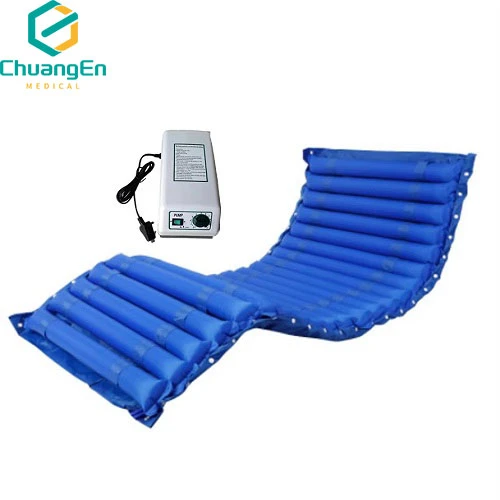
Simply put, a low air bed is a mattress system incorporating air chambers adjusted by a pump to distribute patient weight evenly. Unlike traditional foam mattresses, the air distribution minimizes pressure points, significantly lowering the risk of bedsores. Its “low” adjective refers to the reduced height from floor to mattress surface, typically around 20-24 inches, which helps reduce injury risk from falls. You find these in hospitals, nursing homes, and emergency field hospitals, marrying modern medical technology with practical caregiving needs.
Core Components of a Quality Low Air Bed
1. Durability and Material Quality
The materials — from the mattress cover’s waterproof nylon to the air chambers’ medical-grade polyurethane — must withstand frequent cleaning and long-term use. Durability means fewer replacements, making these beds cost-effective over time.
2. Pressure Redistribution Technology
Central to their function is dynamic air pressure control, either through alternating pressure cycles or constant low pressure modes. This helps prevent skin breakdown by varying contact points and reducing continuous load.
3. Scalability and Portability
Especially for disaster relief, the bed’s ability to be transported, quickly inflated or deflated, and set up is critical. Lightweight pumps and foldable frames are popular innovations here.
4. Safety Features
Low height is only part of it — side rails, anti-slip bases, and alarm systems for monitoring pressure or patient movement enhance safety and caregiver awareness.
5. Cost Efficiency and Maintenance
While advanced low air beds come at a higher upfront cost, their longevity, infection control benefits, and reduced hospitalization complications justify investment, especially in resource-limited settings.
Low Air Bed Technical Specifications
| Feature | Specification | Notes |
|---|---|---|
| Bed Height | 20 - 24 inches | Optimal to minimize fall injuries |
| Weight Capacity | Up to 250 kg (550 lbs) | Supports bariatric patients |
| Pump Type | Alternating pressure electric pump | Adjustable intensity |
| Mattress Surface | Waterproof, antimicrobial cover | Eases hygiene maintenance |
| Safety Features | Low height, side rails, pressure alarms | Enhances patient monitoring &fall prevention |
How Do Leading Vendors Compare?
| Vendor | Price Range (USD) | Pump Technology | Key Differentiator |
|---|---|---|---|
| ChuangEn Medical | $1,200 - $1,500 | Alternating & Static Pressure | Highly portable, excellent after-sales |
| MedAir Solutions | $1,400 - $1,700 | Multi-zone pressure adjustment | Advanced digital controls |
| SafeRest Systems | $1,000 - $1,300 | Static pressure only | Cost-effective for budget facilities |
Applications Across the Globe
In post-disaster relief operations in Southeast Asia, low air beds are deployed quickly to refugee camps, preventing infections in injured survivors where hygienic care is difficult. Remote industrial zones in Canada use them for onsite medical stations, minimizing patient risk during long shifts and harsh weather conditions. European elder care facilities increasingly adopt low air beds for fall prevention and ulcer management, aligning with stringent ISO standards for healthcare safety. Also, NGOs across Africa value their portability when delivering mobile clinics to remote rural areas. It’s fascinating how a product so medically focused also threads into social and economic fabrics worldwide.
Advantages and Long-Term Benefits
- Enhanced Patient Safety: Low height reduces fall-related injuries.
- Pressure Ulcer Prevention: Adjustable pressure relief saves lives and money.
- Infection Control: Easy-to-clean materials help hospitals reduce cross-contamination.
- Operational Efficiency: Reduces caregiver strain by improving patient repositioning.
- Sustainability: Durable design lowers waste and replacement frequency.
- Dignity and Comfort: Patients feel more secure and comfortable, aiding quicker recovery.
I personally find it heartening that beyond technical specs, these beds carry so much social impact — giving caregivers peace of mind and patients better quality of life.
The Road Ahead: Innovations and Emerging Trends
Looking forward, innovation centers on integrating IoT sensors into low air beds—tracking patient movement and skin health in real-time. This data allows early intervention, preventing complications. Green energy-powered pumps are another exciting trend, pushing sustainability bounds. Smart materials capable of automatically adjusting firmness based on body temperature or weight could soon be standard. Digitization also promises to improve user interfaces, making training easier for staff worldwide, even in language-diverse environments.
Challenges and Practical Solutions
Of course, there are hurdles. Some low air beds are costly upfront, which can deter smaller clinics. Pump noise and power dependency also pose issues, especially in under-resourced areas. But manufacturers are addressing these through modular designs and manual overrides. Training healthcare workers on proper mattress use remains crucial — even the best bed won’t help if not used correctly. The solution? Integrated education programs alongside product delivery. As you might guess, the best outcomes happen when technology meets thoughtful care.
FAQ: Common Questions About Low Air Beds
- How does a low air bed differ from a regular hospital mattress?
- Low air beds use adjustable air chambers to redistribute pressure dynamically, unlike foam mattresses that offer static support. This feature reduces pressure ulcers significantly and adds safety due to the lowered height.
- Can low air beds be used at home for long-term care?
- Yes, many models are designed for both clinical and home use. They improve comfort and safety for long-term patients, especially those at risk for bedsores or falls. Always consult a healthcare provider for suitability.
- What maintenance is required to ensure durability?
- Regular cleaning with non-abrasive disinfectants and periodic pump checks are key. Most covers are waterproof and antimicrobial, easing hygiene routines.
- Are low air beds energy efficient?
- Modern pumps consume low power, and some models include energy-saving modes. Battery backup options exist for uninterrupted operation during outages.
- Where can I buy trusted low air beds for clinical use?
- Reputable vendors like ChuangEn Medical provide certified products meeting international safety standards, with options tailored for hospital and humanitarian needs.
Conclusion: Why Low Air Beds Are a Game-Changer
To wrap it up, low air beds are more than just patient furniture—they’re an intersection of healthcare innovation, patient dignity, and operational efficiency. Their role spans hospital wards to emergency camps worldwide, adapting continuously to emerging needs and technologies. If you’re involved in healthcare facility planning or relief operations, it’s worth exploring what a well-designed low air bed can do for your patients and staff.
Want to learn more or acquire a reliable low air bed? Visit our website for detailed product information and expert support.
Mini takeaway: Low air beds are quietly transforming patient care globally by merging smart design with compassionate outcomes.