Understanding the Alternating Pressure Pad with Pump: Why It Matters Globally
When it comes to patient care, especially for those immobile or at risk of pressure ulcers, few innovations have made a more profound global impact than the alternating pressure pad with pump. This medical device might sound simple—an air-filled pad paired with a pump—but its significance ripples worldwide. Not only does it help in preventing bedsores and improve patient comfort, but it also eases the workload of healthcare providers, reduces hospitalization costs, and ultimately saves lives and dignity.
Worldwide, pressure ulcers affect millions, especially in hospitals and nursing homes. According to the World Health Organization (WHO), up to 23% of hospitalized patients develop pressure injuries in some regions, making effective preventative tools vital. So, understanding these devices isn’t just for clinicians or medical supply buyers—it’s for anyone invested in better healthcare and human well-being.
The Global Context: Why Alternating Pressure Pads with Pump Are More Relevant Than Ever
Looking through a global lens, healthcare pressures keep ramping up. Populations age, the burden on frontline nursing grows, and chronic conditions requiring long-term immobility rise steadily. The alternating pressure pad with pump is a small but mighty piece in this puzzle.
Data from the United Nations highlights that by 2050, people aged 60 and above will double, which puts immense strain on health systems worldwide. Without effective pressure ulcer prevention, costs spiral—treatment of such wounds accounts for billions annually in developed and developing countries combined.
Moreover, in settings ranging from remote clinics in Southeast Asia to disaster relief camps managed by the UN Refugee Agency, simple, reliable patient support systems like these pads are non-negotiable. They solve a pressing challenge: how to prevent pressure injuries when staffing or infrastructure might be strained.
What Is an Alternating Pressure Pad with Pump?
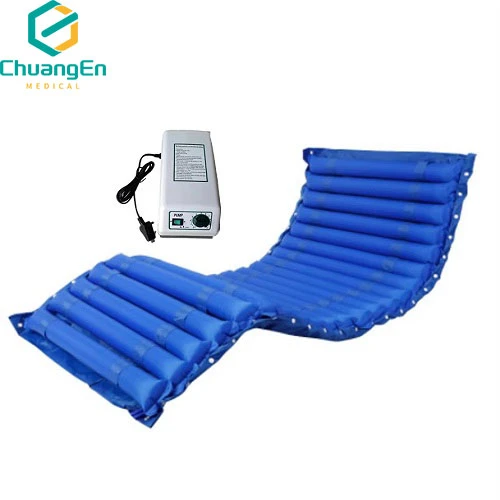
To put it simply, this device is an inflatable mattress overlay connected to a pump that rhythmically inflates and deflates different sections of the pad. This alternating pressure pattern distributes the patient’s weight evenly and mimics natural movement to keep blood flowing and skin healthy.
The pump cycles at set intervals (often every 10 minutes), gradually shifting pressure points. This prevents prolonged compression, the main culprit behind pressure sores. Essentially, it’s a smart cushion system designed to do what muscles normally do when you move—except it does it mechanically for patients who can’t.
In industries like hospitals, nursing homes, and even humanitarian aid, these pads support safer, more dignified care. Without them, immobile patients face a significant risk of painful, slow-healing wounds and secondary infections.
Core Components Explained
- Pump Unit: The heart of the system, it inflates/deflates air chambers cyclically. Robust pumps can run quietly for days and include variable pressure settings.
- Air Cells (Pad): Made from durable, flexible materials, these chambers distribute and shift pressure dynamically.
- Control Valve: Ensures each section inflates properly without losing air—helpful in maintaining consistent comfort and safety levels.
- Cover Material: Often waterproof, antimicrobial, and breathable fabrics that promote hygiene and reduce infection risks.
- Portability Features: Many models include easy-wipe surfaces, compact designs, and simple attachments, aiding transport and storage.
Each part plays a vital role in real-world application, ensuring the system stays reliable over long-term use — because frankly, if it fails at the moment of greatest need, it loses its reason for existing.
Where Are These Pads Used? Global Applications and Real-World Successes
The beauty of the alternating pressure pad with pump is how versatile and scalable it is. They shine in:
- Hospitals: Critical care, surgical wards, and rehabilitation centers use these pads to limit complication risks and shorten recovery times.
- Long-term care facilities: Nursing homes see direct benefits in resident comfort and wound prevention.
- Home healthcare: For patients confined to bed at home, affordable portable units support family caregivers.
- Disaster and humanitarian relief: NGOs often bring these to disaster zones and refugee shelters, exemplifying how medtech bridges gaps in resource-poor settings.
- Veterans and military hospitals: Active injury prevention programs integrate these pads to support mobility-challenged veterans.
For example, in post-disaster camps in Southeast Asia, alternating pressure pads with pumps have prevented many cases of pressure ulcers despite challenging conditions. It’s a small investment but results in enormous health dividends, reducing secondary complications and hospital readmissions.
Mini Takeaway:
Used globally, these devices embody healthcare innovation—simple on the surface, profoundly impactful on real lives everywhere.
Advantages and Long-Term Value of Alternating Pressure Pads with Pumps
When I first encountered these devices, one thing struck me: the blend of emotional and practical value they hold. On the logical side, hospitals find reduced treatment costs for bedsores, shorter patient stays, and better prognosis. Emotionally? Patients feel cared for, and caregivers can trust they’re doing their best without constant repositioning.
Key advantages include:
- Cost Efficiency: Preventing pressure wounds vastly cuts expensive treatment and legal claim risks.
- Sustainability: Many modern pads use recyclable materials and energy-efficient pumps, aligning with green healthcare goals.
- Reliability: Designed for continuous use, many models include battery backups to avoid interruptions in power outages.
- Comfort & Dignity: Patients benefit from gentle, non-intrusive shifting pressure that naturalizes their experience.
- Ease of Use: Nurses appreciate controls that let them adjust pressure firmness to suit individual needs.
Product Specifications: Typical Alternating Pressure Pad with Pump Model
| Specification | Typical Value |
|---|---|
| Pad Dimensions | 200 cm x 90 cm x 10 cm |
| Air Cell Count | 20 alternating air pockets |
| Pump Cycle Time | 10 minutes (adjustable) |
| Weight Capacity | Up to 200 kg |
| Material | Non-toxic PVC with antimicrobial cover |
| Power Supply | AC 110-240V, with battery backup (4 hours) |
| Noise Level |
Vendor Comparison: Leading Alternating Pressure Pad with Pump Suppliers
| Vendor | Price Range | Warranty | Key Features | Shipping Options |
|---|---|---|---|---|
| ChuangEn Medical | $150 - $250 | 2 years | Quiet pump, antimicrobial covers, portable | Worldwide express [Link] |
| MediCare Supplies | $170 - $270 | 1.5 years | Adjustable cycle, waterproof cover | Regional only |
| HealthTech Global | $220 - $320 | 3 years | Advanced pump with remote control | Worldwide standard |
Looking Forward: Innovations and Trends Shaping Alternating Pressure Pads with Pumps
It’s an exciting time for this technology. For one, manufacturers increasingly emphasize sustainability—biodegradable materials, solar-powered pumps, and energy-efficient designs. Frankly, the ops teams love that because it means fewer supply headaches and less environmental footprint.
Digitization is also knocking at the door—smart pads with sensors can monitor patient movement, transmit pressure data in real-time, and alert nurses before issues start. Automation isn’t just a buzzword here; it’s practical innovation that could revolutionize patient care.
In humanitarian zones, ruggedized designs emerge, offering greater durability under tough conditions and easier maintenance. Plus, innovations focus on adjustable firmness levels to personalize comfort, especially for patients with diverse needs.
Addressing Challenges: What Holds Back Broader Use and How to Fix It
No device is perfect, and alternating pressure pads with pumps have their caveats. Issues like pump failure, noisy operation, or bulky designs sometimes cause trouble. Plus, upfront costs can deter smaller clinics or home users.
However, ongoing improvements target these limitations. For example, quieter pumps now operate below 25 decibels — almost silent in a hospital ward. Battery backups support uninterrupted performance during outages. Plus, modular designs help with maintenance and replacement parts.
Training is another crucial piece. Without proper user education, benefits shrink. Many providers incorporate comprehensive tutorials and on-call support to empower caregivers effectively.
FAQ: Your Practical Questions About Alternating Pressure Pads with Pump
- How often should the pressure cycles run on an alternating pressure pad?
- Most pumps cycle every 7 to 15 minutes, commonly around 10 minutes, to effectively redistribute pressure. This interval strikes a balance between patient comfort and preventing skin breakdown.
- Are alternating pressure pads suitable for patients with active wounds?
- Yes, but caution is needed. Certain pads with specialized covers reduce moisture buildup and promote healing. Always consult healthcare providers to ensure compatibility with the wound type.
- Can patients use these pads at home safely?
- Absolutely. Many models are designed for easy home use, featuring straightforward controls and portability. Families should receive basic training to manage pump settings and maintenance.
- What maintenance is typically required for these systems?
- Regular cleaning of the pad cover, inspecting air cells for leaks, and checking the pump function are standard. Most units come with maintenance guidelines and recommend periodic professional servicing.
- How to choose the right alternating pressure pad for specific patient needs?
- Consider factors such as patient weight, mobility level, comfort preferences, and budget. Looking at certifications like ISO and product warranty can also ensure quality and durability.
In Conclusion: The Case for Alternating Pressure Pads with Pump in Modern Care
Thinking it over, the alternating pressure pad with pump is one of those “quiet heroes” in healthcare—unassuming but essential. It reflects a beautiful synergy of engineering and compassionate care, cutting costs while enhancing patient dignity. As populations age and healthcare challenges mount globally, such tools become indispensable. If you or your organization are scanning for a smart investment in patient comfort and safety, these pads deserve a spot on your shortlist.
Curious to know more or ready to upgrade your equipment? Visit our website for detailed product info and exclusive offers.