Understanding the Alternating Pressure Pad System: What It Is and Why It Matters Worldwide
In the healthcare and medical device industries, especially where comfort and injury prevention intersect, the alternating pressure pad system stands out as a small but powerful innovation. Essentially, it’s a specially designed mattress or cushion system that alternates pressure points to help prevent pressure ulcers—or bedsores—for people who spend a lot of time lying down. As global populations age and healthcare needs grow, understanding this system isn’t just helpful; it’s crucial for patients, caregivers, and institutions worldwide. Its benefits ripple into better patient outcomes, cost savings, and improved quality of life.
Global Context: Why the Alternating Pressure Pad System Is Gaining Attention
Pressure ulcers affect millions across the globe, particularly in long-term care and hospital environments. The World Health Organization estimates that up to 10% of hospitalized patients develop some form of pressure injury. Add to that the increasing life expectancy reported by the World Bank, and the demand for effective prevention tools intensifies.
These injuries cause pain, increase infections, extend hospital stays, and inflate healthcare costs. Conventional foam cushions just don’t cut it for patients at high risk. But the alternating pressure pad system offers a dynamic solution that changes things periodically to increase blood flow and reduce skin breakdown.
What Exactly Is an Alternating Pressure Pad System?
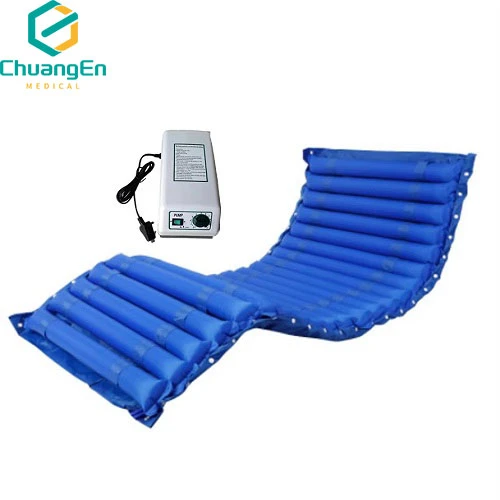
Simply put, an alternating pressure pad system is a medical surface comprising multiple air cells that inflate and deflate in sequence, usually controlled by a pump. This inflation cycle creates a shifting support pattern, so no part of the body bears continuous pressure for too long. It’s the mattress or pad you’d see under someone at risk for bedsores, particularly in ICUs, nursing homes, or home healthcare setups.
Its connection to modern care is straightforward but meaningful: it supports vulnerable individuals, eases caregiver workload, and ties into larger healthcare efforts to prioritize patient dignity and mobility.
Core Components of Alternating Pressure Pad Systems
1. Durability
Since these pads often serve heavy, long-term use, durability is key—many systems use robust PVC or specialized medical-grade vinyl. Expect the system to handle weeks or months of continuous usage, sometimes outdoors or in transportation scenarios (such as emergency or field hospitals).
2. Pressure Regulation Mechanics
This is the heart of the system: the pump and valve arrangement that continuously cycles air between chambers. Some systems allow you to customize cycle times and pressure levels to suit individual patient needs.
3. Portability & Power Source
Increasingly, these systems are compact and lighter, with battery backup options for mobility or emergency use—think home care or disaster relief environments.
4. Hygiene & Maintenance
Using waterproof, antimicrobial materials makes cleaning straightforward. That reduces infection risks, a serious concern in medical settings.
5. Cost Efficiency
While the initial price might seem higher than a foam mattress, long-term savings through reduced pressure injury treatments can be remarkable. Hospitals especially see the value.
Global Applications: Where and How Alternating Pressure Pad Systems Come Into Play
Globally, these systems have found massive traction:
- Hospitals and Long-Term Care Facilities: To prevent ulcers in immobile patients.
- Home Healthcare: For elderly or disabled individuals requiring extended bed rest.
- Disaster Relief: In emergency medical tents or refugee camps where basic care can be challenging, alternating pads improve patient comfort and outcomes.
- Remote Industrial Sites: Places where prolonged immobilization occurs due to injury or operations reliance on temporary care.
For example, during the recent flood crises in South Asia, NGOs deployed these systems in mobile clinics to vulnerable populations—an innovation that relieved pressure ulcers risk in adverse conditions.
Mini Takeaway
In rough terms, anywhere patient immobility meets healthcare pressure points, an alternating pressure pad system steps in to protect and improve lives.
Advantages and Long-Term Benefits of Alternating Pressure Pad Systems
- Reduced Incidence of Pressure Ulcers: The core benefit—patients heal faster and avoid painful, costly wounds.
- Patient Comfort and Dignity: Improving quality of life, which helps in recovery.
- Cost Savings: Less need for expensive wound care, antibiotics, or surgery.
- Sustainability: Many models are designed with recyclable materials and energy-efficient pumps.
- Reliability: Systems with alarms and auto-adjust features reduce caregiver burden.
Emotionally speaking, it takes a load off patient suffering and caregiver anxiety alike—there’s something deeply reassuring about automation that watches over patient skin health.
Product Specification Table: Typical Alternating Pressure Pad System
| Specification | Details |
|---|---|
| Material | Medical-grade PVC, antimicrobial coated |
| Weight Capacity | Up to 300 kg (660 lbs) |
| Pump Type | Electric, with battery backup |
| Pressure Settings | Adjustable (20–50 mmHg) |
| Cycle Duration | 10–15 minutes adjustable |
| Dimensions | 198 cm x 89 cm x 10 cm (standard mattress size) |
Comparing Popular Vendors of Alternating Pressure Pad Systems
| Vendor | Price Range | Warranty | Features | Portability |
|---|---|---|---|---|
| ChuangEn Medical | $$$ | 2 years | Custom pressure controls, battery backup | Foldable, easy travel pump |
| MedComfort | $$ | 1 year | Basic timer cycles, limited settings | Bulky pump, no battery |
| SafeCare Systems | $$$$ | 3 years | Smartphone control, AI pressure adjustments | Lightweight, integrated power bank |
Looking Forward: The Future of Alternating Pressure Pad Systems
Innovation in these systems is steadily gaining pace. Some promising trends include:
- Integration with IoT: Systems that monitor patients remotely and adjust pressure automatically.
- Eco-friendly Materials: Biodegradable covers and recycled plastics.
- Energy Efficiency: Low-power pumps and solar charging options.
- Smart Analytics: Data-driven alerts for caregivers before skin issues develop.
It’s fascinating — these beds almost become ‘intelligent caregivers’ on their own, complementing human help with tech precision.
Challenges and How the Industry Is Tackling Them
Of course, no system is flawless. Common issues with alternating pressure pad systems include:
- Noise from pumps disturbing patients.
- Risk of mechanical failure during power outages.
- Cost barriers for some healthcare providers.
To address these, manufacturers focus on:
- Quieter motors and better insulation.
- Advanced battery technology and manual inflation backups.
- Offering leasing models or insurance partnerships to reduce upfront costs.
Frequently Asked Questions About Alternating Pressure Pad Systems
Q1: How often should the pressure cycle run on these systems?
A: Typically, pressure cycles run every 10–15 minutes to balance comfort and effectiveness; however, settings should be customized to patient needs under professional guidance.
Q2: Can these pads be used on standard hospital beds?
A: Yes. Most alternating pressure pad systems are designed to fit standard bed sizes but always check compatibility with your specific bed model.
Q3: Are these systems usable outside hospital environments?
A: Absolutely. Many versions are portable with battery options, suitable for home care or emergency relief where reliable pressure ulcer prevention is vital.
Q4: How do caregivers maintain these pads for hygiene?
A: Regular cleaning with disinfectant wipes and following manufacturer cleaning instructions ensures hygiene. Covers should be replaced periodically.
Q5: Is an alternating pressure pad system covered by insurance?
A: Coverage varies by region and provider, but these systems are frequently classified as medical necessity items and often eligible, so check local policies or consult healthcare providers.
Wrapping It Up: Why Alternating Pressure Pad Systems Matter Now More Than Ever
From improving patient comfort to lowering healthcare expenses and supporting sustainable medical care, alternating pressure pad systems are quietly revolutionizing bedside care worldwide. They embody how smart, compassionate technology can meet growing global needs—aging populations, humanitarian crises, and evolving care standards.
To explore high-quality solutions and innovations in alternating pressure pad systems that genuinely make a difference, visit ChuangEn Medical’s site. They blend sleek design, reliability, and future-ready tech—perfect for today’s demanding healthcare environments.
Final Thoughts
It’s funny how something as simple as shifting air in a mattress can change lives. Pressure ulcers might not be headline-grabbers, but they’re an everyday challenge. Thankfully, solutions like the alternating pressure pad system offer hope and healing — quietly, reliably, and effectively. That’s progress worth celebrating.