Bedsore Prevention Beds: Essential Equipment for Patient Care Worldwide
Bedsore prevention beds have quietly become a cornerstone of quality healthcare, especially as global populations age and chronic care needs rise. Simply put, these specialized beds help prevent pressure ulcers — painful wounds caused by prolonged immobility — that can otherwise lead to severe infections and costly hospital stays. Understanding their importance isn’t just for hospitals; it’s for every caregiver and healthcare strategist committed to dignity and health safety. And with billions spent annually on wound care worldwide, innovating with bedsore prevention beds can save money and improve lives.
Global Context: Why Bedsore Prevention Matters Now More Than Ever
According to the World Health Organization and the International Journal of Nursing Studies, pressure ulcers affect up to 25% of hospitalized patients worldwide — a startling figure that underlines the scale of this silent crisis. The United Nations' 2020 report on aging populations highlights that by 2050, nearly 16% of the world’s population will be over 65 years old, accentuating the demand for effective bedsore prevention. Chronic immobility is not only a hospital concern but a growing issue in long-term care facilities and home healthcare, especially in low-resource settings, where the challenge is compounded by limited equipment.
Oddly enough, despite advances in medicine, pressure ulcers remain a stubbornly common complication that undermines treatment outcomes, patient comfort, and overall health system efficiency.
What Are Bedsore Prevention Beds?
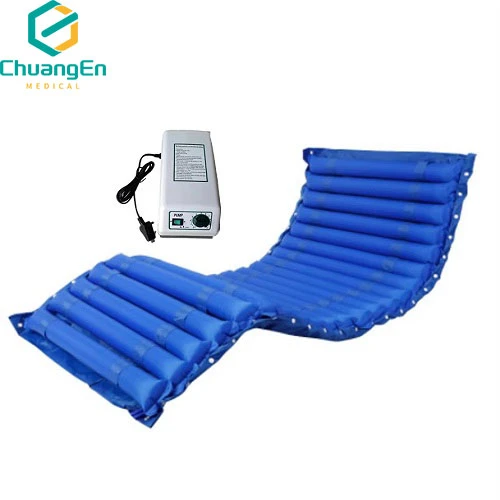
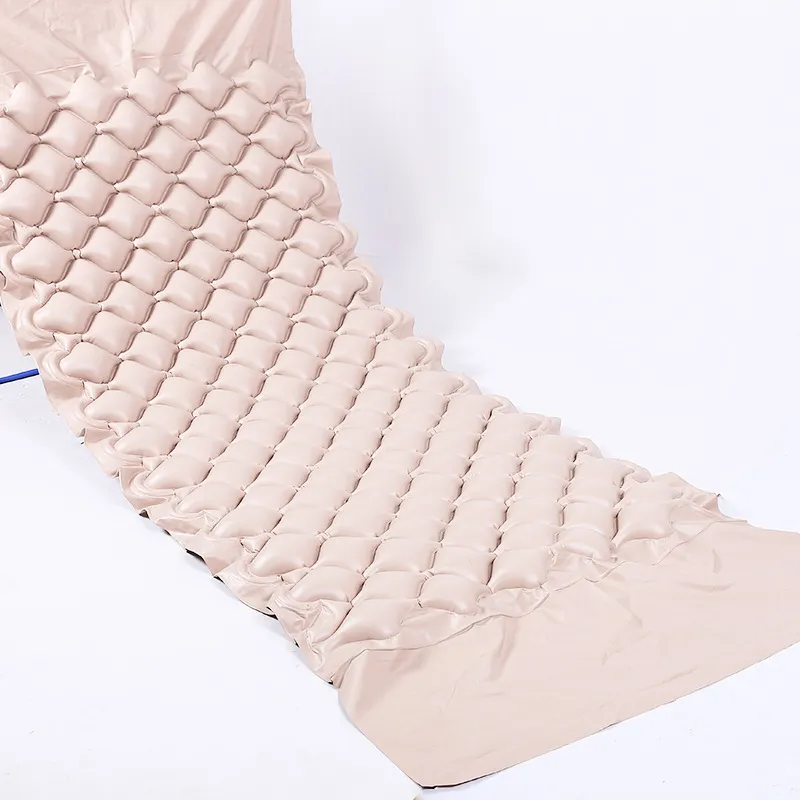
At their core, bedsore prevention beds are specially designed hospital or medical beds equipped to reduce and manage pressure on vulnerable areas of the body. They typically incorporate advanced surface materials, pressure redistribution technology, and sometimes alternating pressure systems. The aim is to minimize tissue damage by regularly changing pressure points and enhancing circulation, especially for patients who are bedridden due to surgery, disabilities, or chronic illness.
Beyond medical settings, these beds are vital in humanitarian contexts – think extended recovery for disaster survivors or elderly care in remote regions — where access to traditional wound care is limited or impractical.
Key Factors in Bedsore Prevention Beds
1. Pressure Redistribution Technology
The heart of these beds often lies in air or foam-based systems that cyclically redistribute pressure. This reduces constant load on one skin area, akin to gentle repositioning performed by caregivers but automated and continuous.
2. Durability & Hygiene
Because these beds handle patients who can be immobile for days or weeks, they must be durable and easy to clean. Waterproof, antibacterial mattress covers and frames made from corrosion-resistant materials are common features.
3. Adjustability
Being able to adjust bed height, tilt, and firmness is essential to accommodate different patient needs and improve comfort. This also facilitates clinical procedures and enhances caregiver ergonomics.
4. Cost Efficiency and Accessibility
While top-tier bedsore prevention beds can be costly, newer designs aim to balance technology with affordability — crucial for widespread adoption in emerging markets or humanitarian programs.
5. Scalability for Various Care Settings
Hospitals, nursing homes, and home-care use cases require beds that scale in terms of size, weight capacity, and user-friendliness. Portability can also be a plus, depending on the environment.
Typical Bedsore Prevention Bed Specifications
| Feature | Specification |
|---|---|
| Mattress Type | Alternating pressure air mattress with foam overlay |
| Weight Capacity | Up to 250 kg (550 lbs) |
| Adjustable Positions | Head tilt (0-70°), knee tilt (0-30°), height adjustment (40-80 cm) |
| Power Source | Electric with battery backup |
| Material | Steel frame with antibacterial coating |
Global Applications & Use Cases
From intensive care units in the United States to rural nursing homes in India, bedsore prevention beds serve a global spectrum of needs. In post-disaster relief efforts—such as those run by the Red Cross after major earthquakes—these beds stabilize vulnerable patients, helping prevent complications in makeshift field hospitals. Similarly, in aging populations like Japan and much of Europe, healthcare providers rely on these beds to uphold quality of life and reduce costly rehospitalizations.
Even unconventional industries — like long-duration space missions or offshore oil rigs — have explored adapted bedsore prevention solutions to support immobile workers or astronauts under extreme conditions.
Major Vendor Comparison
| Brand | Price Range | Key Features | Warranty & Support |
|---|---|---|---|
| ChuangEn Medical | $$$ | Advanced pressure sensing, antibacterial materials, portable model | 5 years full warranty, 24/7 global support |
| Invacare | $$ | Varied mattress options, modular design, electric adjustment | 3 years warranty, regional servicing |
| Hill-Rom | $$$$ | Smart bed technology, integrated monitoring, remote management | 5 years warranty, premium service contracts |
Advantages & Long-Term Value of Bedsore Prevention Beds
The benefits extend beyond obvious medical outcomes. Bedsore prevention beds improve patient safety and dignity, fostering trust between caregivers and families. They lead to fewer infections, shorter hospital stays, and less need for complex wound care treatments — all major cost savers for healthcare systems. Psychologically, patients experience more comfort and less anxiety knowing they’re supported by advanced care tools. And socially, reducing bedsores lessens caregiver workload and burnout, a growing concern globally.
Future Trends & Innovations
Frankly, the future looks promising. We're seeing new, smart beds with sensor arrays monitoring patients’ micro-movements and skin conditions in real time. Green materials—biodegradable foams and antibacterial fabrics—are gaining traction as sustainability becomes more critical. Automation and AI-driven pressure mapping promise beds that can dynamically adjust pressure zones without manual input. Some startups are exploring solar-powered units for off-grid settings, making bedsore prevention beds more accessible in humanitarian crises or remote areas.
Challenges & Solutions
However, these beds are not without challenges. Cost remains a significant barrier for underfunded hospitals or care homes. Also, training staff to optimize bed use is essential; technology alone isn’t a silver bullet. Maintenance and power reliability—especially in low-resource environments—can limit effectiveness. Innovative approaches include modular designs to reduce total cost of ownership, simplified user interfaces for caregivers, and hybrid power solutions combining mains and battery backup.
FAQ: Frequently Asked Questions About Bedsore Prevention Beds
- Q: How do bedsore prevention beds differ from regular hospital beds?
A: Unlike standard beds, bedsore prevention beds have specialized pressure redistribution features, such as alternating air cells or gel overlays, which help prevent skin damage by continuously changing pressure points. - Q: Are automated bedsore prevention systems suitable for home care?
A: Yes, many modern beds are designed for home use with easy controls and portability, making them ideal for long-term care patients to maintain comfort and reduce ulcer risks outside hospitals. - Q: What maintenance is needed for these beds?
A: Regular cleaning of covers, monitoring air compressors or pumps, and quarterly mechanical checks are typically recommended to maintain efficiency and hygiene. - Q: Can bedsore prevention beds reduce healthcare costs?
A: Absolutely. By preventing pressure ulcers, these beds reduce expensive wound treatments, shorten hospital stays, and decrease complications, resulting in overall cost savings.
Conclusion + Call to Action
In sum, bedsore prevention beds are more than just furniture — they embody a vital fusion of healthcare innovation, patient dignity, and global health sustainability. For providers aiming to improve patient outcomes while optimizing budgets and workflows, investing in these beds is a no-brainer. Frankly, it feels like an indispensable step forward for the future of caregiving.
To explore reliable and innovative bedsore prevention bed solutions, visit: ChuangEn Medical.
Mini takeaway: The global rise in chronic care demands makes bedsore prevention beds essential tools in hospitals and home care alike, combining technology, comfort, and cost-efficiency.