Understanding the Alternating Air Pressure Wheelchair Cushion: Comfort Meets Innovation
At first glance, a wheelchair cushion might seem like a small detail, but when you think about the impact it has on millions worldwide, it’s quite profound. The alternating air pressure wheelchair cushion isn’t just your average foam or gel pad. It’s a high-tech solution addressing pressure ulcers, comfort, and mobility challenges faced by wheelchair users globally. In many ways, understanding this technology bridges healthcare, design, and human dignity — especially as populations age and mobility impairments rise.
Why Alternating Air Pressure Cushion Technology Matters Globally
Across the world, over 65 million people require wheelchairs to navigate daily life according to the World Health Organization. However, prolonged sitting often leads to pressure ulcers, which can be life-threatening or drastically reduce quality of life. The UN and ISO have highlighted accessibility and assistive technology as key pillars to improving healthcare outcomes and social inclusion.
The alternating air pressure wheelchair cushion addresses a silent epidemic — pressure sores caused by constant pressure and limited blood flow. This dynamic cushion not only reduces healthcare costs associated with wound treatment but also empowers users with long-term comfort and increased independence.
What Exactly Is an Alternating Air Pressure Wheelchair Cushion?
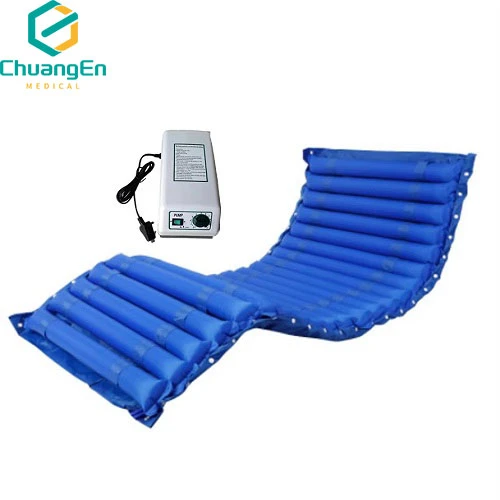
Simply put? It’s a cushion designed with multiple air cells that inflate and deflate alternately, ensuring that constant pressure points are relieved by shifting the load periodically. Think of it as a gentle, ongoing massage for those sitting for hours. Linked closely to innovations in medical device engineering, these cushions represent a shift from static, passive support to dynamic, active care.
In humanitarian, clinical, and personal care settings, they bridge a critical need — mitigating pressure-related injuries while maintaining posture and comfort.
Key Components and Features
1. Dynamic Air Cell System
These cushions have interconnected air cells that inflate and deflate individually in programmed cycles, promoting continuous blood circulation. The materials must be puncture-resistant but soft — a delicate balance.
2. Pump and Control Unit
A small, often portable pump powers the system, with adjustable settings tailored to the user's weight and sitting duration. Many models now include smart functions like auto-adjust or alerts for low pressure.
3. Coverage and Shape
Designed ergonomically, the cushion’s shape supports pelvis alignment and prevents sliding, often customizable depending on anatomy or wheelchair type.
4. Durability and Maintenance
While expectations are high, cushions must endure daily use, occasional weather exposures (think: outdoor ramps or transit), and cleaning protocols without loss of functionality.
5. Battery or Power Options
Some models run on rechargeable batteries for mobility, while others plug into mains or vehicle power. This flexibility is especially vital for users on the go.
Mini takeaway: This cushion isn’t just tech for ‘tech’s sake’ — each element thoughtfully targets comfort, safety, and usability.
Global Uses and Real-World Impact
You’ll find these cushions across diverse settings:
- Hospitals and rehabilitation centers— to prevent bedsores during lengthy stays.
- NGO and humanitarian efforts, especially in low-resource or post-disaster zones where medical infrastructure is limited.
- Personal daily use among elderly or disabled in urban and rural environments.
- Industrial and military applications, for injured personnel requiring extended sitting during recovery.
In countries like Japan and Germany, where aging populations surge, such cushions are becoming standard for in-home care. Meanwhile, charities in Southeast Asia deploy these cushions in relief kits for people injured in natural disasters. Oddly enough, the technology’s adaptability means even remote regions benefit from what initially feels like high-end healthcare luxury.
Mini takeaway: The alternating air pressure wheelchair cushion crosses social and geographic lines, proving its vital role worldwide.
Specifications at a Glance
| Feature | Description |
|---|---|
| Material | Medical-grade polyurethane with TPU coating |
| Air Cell Count | 12 interconnected air cells |
| Pump Type | Quiet, low-vibration electric pump with adjustable pressure |
| Cycle Duration | Alternates every 10 minutes (adjustable) |
| Power Source | Rechargeable Li-ion battery or AC adapter |
| Weight Capacity | Up to 150kg (330lbs) |
Vendor Comparison: Finding the Right Cushion
| Vendor | Price Range | Warranty | Special Features |
|---|---|---|---|
| ChuangEn Medical | $350-$500 | 2 years | Lightweight pump, customizable cycles |
| AirTech Supplies | $400-$600 | 3 years | Integrated Bluetooth for monitoring |
| PressurePro | $300-$450 | 1 year | Simple manual controls, standard air cells |
Why Choose an Alternating Air Pressure Wheelchair Cushion?
The benefits go far beyond just comfort. Logically, reducing pressure sore risk saves thousands in hospital stays annually — that’s a big win for healthcare systems worldwide. Emotionally? These cushions restore dignity to users, who might otherwise suffer from debilitating wounds.
Plus, many users report better posture, reduced fatigue, and greater confidence to engage socially or professionally. Sustainability-wise, most vendors now develop longer-lasting products made from recyclable materials — a quiet but important detail in hospital procurement.
Looking Ahead: Innovations on the Horizon
The next wave blends technology and eco-consciousness. Expect cushions embedded with IoT sensors that track pressure distribution in real-time and sync with caregiver apps. Others are exploring solar-powered pumps to liberate wheelchair users from outlet dependence. And new bio-based materials promise lighter, hypoallergenic cushions that still pack a punch on durability.
What’s really exciting is the potential integration with smart wheelchairs and digital health platforms for a full ecosystem of mobility support — it’s like healthcare meets the Internet of Things, all wrapped in a cushion.
Addressing Challenges with Practical Solutions
Of course, not everything is perfect. Some users find pumps noisy or bulky. Power management can be tricky for those without easy recharging access. Plus, cost remains a barrier for low-income populations. But solutions are evolving:
- Manufacturers are slimming pumps and reducing noise through new motor tech.
- Battery improvements offer longer life with fast charging.
- NGOs and social enterprises provide subsidized or donated cushions in underserved regions.
There’s also ongoing research into low-tech alternatives for remote areas, like manual pump systems or hybrid air-gel cushions that use less power.
Frequently Asked Questions About Alternating Air Pressure Wheelchair Cushions
- How often should the air pressure cycle alternate for optimal comfort?
- The standard cycle alternates every 10 minutes to effectively redistribute pressure. However, many models allow adjustment between 5 to 15 minutes based on user sensitivity or clinical advice.
- Can these cushions be used for all wheelchair types?
- Most alternating air pressure cushions fit standard manual and electric wheelchairs, but it’s important to verify dimensions and weight capacity. Custom sizing is available from some vendors for specialized wheelchair models.
- What maintenance does an alternating air pressure cushion require?
- Routine cleaning with mild disinfectants and regular inspection for leaks or pump functionality is sufficient. Battery packs should be charged per manufacturer instructions to maintain performance.
- Are these cushions covered by insurance or healthcare programs?
- Coverage varies by country and provider. Many insurance plans recognize them as medical devices, especially when prescribed to prevent pressure ulcers, but upfront verification is advisable.
- What’s the lifespan of a typical alternating air pressure wheelchair cushion?
- With proper care, most cushions last between 2 to 5 years, depending on usage intensity and maintenance. After that, cell materials may degrade, reducing effectiveness.
In Conclusion: Comfort That Counts
The alternating air pressure wheelchair cushion is a stellar example of technology meeting practical human needs. Beyond the specs and costs, it’s about improving lives, offering independence, and preventing avoidable medical issues. Whether you’re a clinician, caregiver, or end user, understanding this tech could open doors to better care tomorrow.
If you’re curious to explore options or learn more, visit ChuangEn Medical — innovators in this smart cushion space.