Understanding the Air Bed to Prevent Bed Sores: A Critical Healthcare Solution
Pressure ulcers, better known as bed sores, remain a significant challenge in healthcare settings around the world. They develop when prolonged pressure restricts blood flow to the skin, often affecting patients confined to beds for extended periods. Here’s where the air bed to prevent bed sores steps in—not just a cushioning accessory but a life-changing intervention. It’s surprising how something as seemingly simple as an air mattress can greatly reduce the risk of ulcer development, improve patient comfort, and even reduce hospital stays.
Globally, the aging population combined with increasing chronic illnesses means bedsore prevention is more critical than ever. According to the World Health Organization, pressure ulcers affect roughly 10-15% of hospital patients worldwide, leading to increased healthcare costs and compromised patient dignity. This article unpacks the brilliance behind air beds designed specially to thwart bed sores, exploring why understanding their nuances really matters.
The Global Context: Why Air Beds Preventing Bed Sores Are So Relevant
With over 1 billion people worldwide aged 60 and above—a figure expected to double by 2050 (UN data)—the demand for effective pressure ulcer prevention is skyrocketing. Bedridden patients, whether due to surgery, chronic illness, or disability, face bed sores as a real and painful threat. Various reports, including from the International Organization for Standardization (ISO), emphasize how proper pressure relief surfaces are crucial for patient care quality.
Unfortunately, many healthcare facilities, especially in under-resourced regions, still rely on traditional mattresses or improvised solutions which exacerbate the problem. So, the urgency for affordable, durable, and efficient air bed options that prevent bed sores can’t be overstated—it literally saves skin and lives.
What Exactly Is an Air Bed to Prevent Bed Sores?
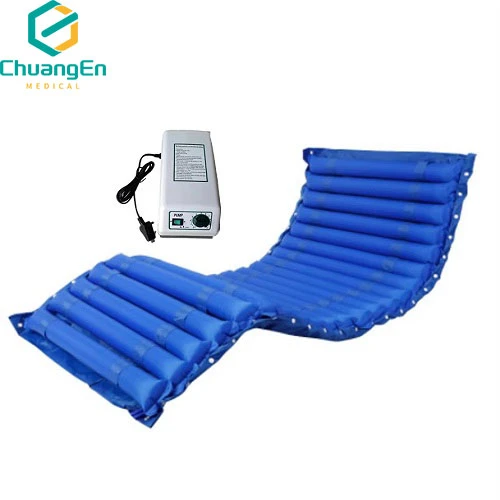
Put simply, an air bed to prevent bed sores is a specialized mattress that uses variations of air pressure to constantly relieve pressure points on a patient’s body. Unlike standard foam mattresses, these dynamic air systems periodically inflate and deflate different air cells, encouraging blood circulation and reducing the risk of tissue damage.
In humanitarian and healthcare sectors alike, these beds align with modern needs to combine innovation with comfort. They’re a practical merge of technology and caregiving, helping hospitals, nursing homes, and even emergency response teams better care for vulnerable populations.
Core Components of an Effective Air Bed to Prevent Bed Sores
1. Adjustable Air Pressure
Most air beds feature multiple air cells with individually controlled pressure settings. This lets caregivers personalize firmness based on patient weight or risk level, balancing support and comfort pretty much flawlessly.
2. Durable, Medical-Grade Materials
They’re usually made with waterproof, anti-microbial covers to withstand spills and infections over long-term use—trust me, it’s not just about softness but hygiene and durability.
3. Alternating Pressure Technology
This aspect involves cycling inflation of different zones to redistribute body pressure automatically, mirroring a gentle massage that prevents tissue breakdown. Many professionals say this feature is the game-changer.
4. Ease of Maintenance and Cleaning
Since patients requiring these beds might be immobile, features like removable covers and easy-to-clean surfaces matter hugely. It helps reduce cross-contamination and supports infection control.
5. Power Backup and Reliability
When hospitals deal with unstable electricity, beds with battery backup ensure continuous operation of the pressure system, critical for uninterrupted patient safety.
6. Portability and Setup
Especially in disaster zones or home care settings, lightweight and quick deployable air beds help caregivers provide prompt pressure relief where traditional hospital equipment can’t reach.
Mini takeaway:
These core components underline why air beds to prevent bed sores aren’t just luxury items; they’re essential healthcare tools combining patient comfort and clinical efficacy.
Global Applications and Real-World Use Cases
Air beds designed to prevent bed sores find themselves frontline in diverse environments—from high-tech hospitals in Europe to humanitarian camps in sub-Saharan Africa. For example:
- Hospitals and Nursing Homes: Standard in ICU wards and elder care facilities, reducing pressure ulcer incidence by up to 50% compared to traditional mattresses (source: CDC).
- Disaster Relief: Organizations working with refugees or disaster survivors, like the Red Cross, deploy portable air beds to maintain skin integrity under tough conditions.
- Home Care: Many families caring for chronically ill relatives use these beds for better comfort and to avoid frequent hospital visits.
- Military and Remote Zones: Traumatic injuries in field hospitals often require specialized beds for preventing bed sores during long evacuations.
These examples highlight their versatile role wherever patients need prolonged immobilization but optimal care.
Advantages and Long-Term Value of Using Air Beds to Prevent Bed Sores
Apart from obvious health benefits, air beds offer several strategic advantages:
- Cost Efficiency: By reducing bed sore development, they help lower expensive treatments and hospital readmissions.
- Patient Dignity and Comfort: Less pain and discomfort mean better sleep and mental well-being—a factor often overlooked.
- Sustainability: Durable materials and reduced medical waste (from ulcer dressings and interventions) make these systems greener.
- Trust and Innovation: Hospitals that invest in advanced beds signal commitment to quality care, building patients’ confidence.
Frankly, when you think about the dignity in helping sick or disabled people avoid added suffering, the value extends well beyond dollars.
Air Bed to Prevent Bed Sores: Product Specification Table
| Specification | Description |
|---|---|
| Size | 84" x 36" x 7" (Standard Adult) |
| Weight Capacity | Up to 450 lbs |
| Air Cell Type | Alternating pressure with 18 cells |
| Material | Waterproof PVC with antimicrobial coating |
| Power | AC powered, with optional battery backup |
| Control Features | Manual and automatic pressure cycles, digital panel control |
Comparing Leading Vendors of Air Beds to Prevent Bed Sores
| Vendor | Price Range | Warranty | Special Features | Global Shipping |
|---|---|---|---|---|
| ChuangEn Medical | $$$ | 2 Years | Bluetooth remote control, antimicrobial surface | Yes |
| ComfortCare Supplies | $$ | 1 Year | Manual cycle control, basic pressure relief | Limited |
| MediAir Solutions | $$$$ | 3 Years | Smart sensor integration, automatic adjustment | Yes |
Emerging Trends & Innovations in Air Beds Preventing Bed Sores
Innovation doesn’t sleep, even where patients do. Some exciting developments on the horizon include:
- Smart Pressure Monitoring: Beds equipped with IoT sensors that alert caregivers the moment pressure points get risky.
- Eco-Friendly Materials: New biodegradable or recycled composites aim to reduce environmental footprints.
- Integration with Hospital IT Systems: Automated data logging and remote control to streamline patient care.
- Solar-Powered Units: Useful particularly in off-grid or disaster zones to assure uptime.
It feels like these beds will soon be a lot smarter — not just “soft and bouncy.”
Common Challenges and How the Industry Tackles Them
Despite their benefits, air beds do face hurdles:
- Cost Barrier: High initial price can deter smaller clinics. Some vendors offer leasing or subsidies to ease this.
- Maintenance Needs: Pumps and air cells require regular checks to avoid failures—training caregivers is vital.
- Power Dependence: Battery backups mitigate outages, but constant power is still a concern in remote locations.
- User Training: Improper setup defeats the purpose, so education remains essential.
Experts recommend routine equipment audits and investing in user-friendly designs as key solutions.
FAQ: Frequently Asked Questions About Air Beds to Prevent Bed Sores
Q1: How does an air bed reduce the risk of developing bed sores?
A: Air beds distribute pressure evenly through alternating inflation and deflation cycles, preventing prolonged pressure on any skin area, which in turn reduces tissue damage leading to bed sores.
Q2: Can air beds be used for all types of patients?
A: While generally suitable for most immobile or high-risk patients, clinicians should evaluate individual needs, including weight, skin condition, and medical history before selecting an air bed model.
Q3: How often do air beds require maintenance?
A: Regular maintenance checks—typically monthly—on the pump system, air cells, and power supply are recommended to ensure optimal function and safety.
Q4: Are air beds easy to transport for home or field use?
A: Many models are designed to be lightweight and foldable, enabling caregivers to move them between rooms or sites conveniently.
Q5: Where can I learn more about purchasing or leasing air beds?
A: Trusted medical supply vendors like ChuangEn Medical offer comprehensive product information, support, and global shipping options.
Conclusion: Better Care with Air Beds to Prevent Bed Sores
Ultimately, investing in an air bed to prevent bed sores reflects a commitment to quality, dignity, and innovation in healthcare. These beds don't just offer physical relief—they offer peace of mind for patients and caregivers alike. With evolving tech and greater accessibility, their role looks set to expand in both clinical and home care environments.
Considering how impactful these systems are, it’s worth a closer look for facilities aiming to enhance patient outcomes. For more details, consult ChuangEn Medical’s air bed range and see how innovative pressure relief can be a game changer.
Quick Takeaway:
The right air bed is more than bedding; it's a frontline defender against preventable suffering. A simple upgrade in equipment can transform lives step-by-step.