The Subtle Power of the Alternating Pressure Pad Pump: A Quiet Revolution in Patient Care
Every year, millions around the world face the risk of developing pressure ulcers—painful wounds that arise when sustained pressure cuts off skin circulation, especially for those bedridden or confined to wheelchairs. It's under this constant, unseen strain that the alternating pressure pad pump quietly shines as a vital healthcare tool. Anyone who's ever been in a hospital or taken care of a loved one with mobility challenges knows how crucial pressure relief is for dignity, comfort, and recovery.
Globally, with the world's aging population soaring—the UN projects that by 2050, over 1.5 billion people will be over 65—the demand for effective pressure management solutions intensifies. That's one key reason understanding these pump systems feels not just medical, but profoundly humanitarian. They reduce costly complications, improve quality of life, and yes, often slip under the radar of everyday tech talk.
Why the Alternating Pressure Pad Pump Matters in the Global Healthcare Landscape
Pressure ulcers account for significant patient discomfort and healthcare costs worldwide. The World Health Organization estimates that pressure injuries affect roughly 10% of hospitalized patients. Worse still, in low-resource settings, poor pressure management results in longer hospital stays and higher infection risks.
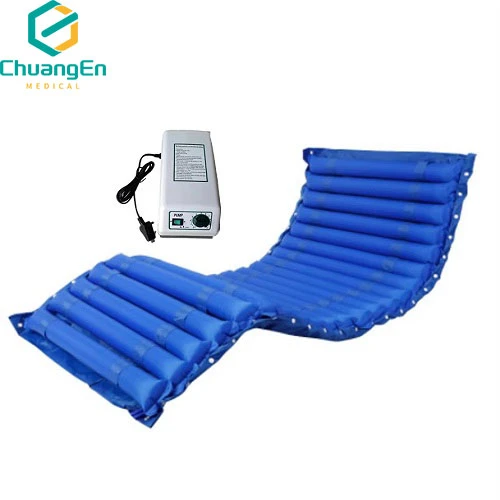
This is where the alternating pressure pad pump comes in. It’s not just a gadget—it’s a life-saving intervention that keeps skin healthy by automatically inflating and deflating air cells in specialized mattresses or pads in a timed sequence. This prevents prolonged pressure in any one spot.
It’s worth noting that despite broad awareness, many healthcare facilities still lack adequate alternating pressure technology due to budget or logistics. Still, organizations committed to improving wound care standards—like International Wound Care Conferences or ISO-certified manufacturers—are pushing tech adoption worldwide.
Defining the Alternating Pressure Pad Pump: What It Is and Why You Should Care
To put it simply, an alternating pressure pad pump is a compact, electrically powered device designed to cyclically pump air into mattress pads or cushions. These pads are configured with multiple air cells that inflate and deflate alternately, shifting pressure points beneath the user's body. This mimics natural movement and supports blood circulation.
Far from niche, these pumps integrate into hospital systems, home care setups, and even emergency relief shelters. They represent an elegant blend of mechanical design and healthcare needs, addressing one of the oldest nursing challenges known to humanity.
Core Components and Features That Define Quality and Performance
1. Durability and Reliability
A great alternating pressure pad pump lasts years despite constant use. Many engineers note that a sturdy motor and robust silicone tubing are essential to avoid frequent breakdowns. After all, uptime literally means preventing wounds.
2. Adjustable Pressure and Cycle Settings
Pumps often offer variable inflation pressures and cycle times, allowing caregivers to tailor therapy to patient needs. For example, lighter individuals may require gentler inflation cycles for comfort, while heavier patients benefit from stronger settings.
3. Noise Levels
While it might seem trivial, noise matters. In hospitals or nursing homes, quieter pumps reduce stress and sleep disruption. Some advanced models operate virtually silently—kind of like a whisper in the night.
4. Power Efficiency and Portability
Many alternating pressure pad pumps are designed for low energy consumption and can run off battery backups or portable power sources—this ratio of energy to performance is especially vital for remote or mobile care applications.
5. Ease of Maintenance
Regular maintenance shouldn’t require a PhD. User-friendly filters, quick tube detachment, and accessible service points mean caregivers spend less time fixing machines and more time caring.
| Feature | Typical Range | Why It Matters |
|---|---|---|
| Inflation Pressure | 20 - 100 mmHg | Supports individual needs |
| Cycle Time | 5 – 12 minutes per cycle | Mimics natural body movement |
| Noise Level | ≤ 30 dB (silent models) | Promotes restful environment |
| Power Source | AC 100-240V, Battery Backup | Versatile deployment |
| Weight | 2 - 4 kg | Portable, easy handling |
Mini Takeaway: A reliable alternating pressure pad pump masters simple engineering that translates into serious patient comfort and care continuity.
Real-World Impact: How and Where These Pumps Make a Difference
Imagine a post-disaster emergency shelter where access to hospital beds is limited—alternating pressure mattresses paired with a pump bring critical pressure relief to people temporarily immobilized. Or consider remote nursing homes in rural parts of Asia and Africa, where these pumps help reduce ulcer incidence and cut treatment costs.
Major healthcare providers in Europe and North America now routinely prescribe these systems for at-risk patients, while NGOs deploy them in global humanitarian contexts too. In fact, some UN healthcare programs specifically endorse alternating pressure pump solutions to mitigate wound complications in refugee camps.
One fascinating case: a rehabilitation center in Canada reported a nearly 40% decrease in pressure ulcers after introducing advanced alternating pressure systems, underlining the quiet but tangible impact of this tech.
Why Investing in an Alternating Pressure Pad Pump Pays Off Over Time
- Cost Savings: Preventing ulcers lowers hospitalization length and expensive treatments.
- Sustainability: High-quality pumps mean fewer disposables and electronic waste.
- Social Value: Helps patients retain dignity by reducing pain and immobility.
- Reliability: Proven technologies with decades of refinement, scant risk of total failure.
At heart, this is technology that respects human necessity; beyond logic, it carries emotional reassurance for patients and caregivers alike. It’s trust embodied in a machine that pushes air into cells — something so vital it’s easy to undervalue.
Looking Ahead: Innovations on the Horizon in Alternating Pressure Technologies
Green energy integration is a big trend. Solar-powered or low-wattage pumps designed for energy-deficient areas create new usage possibilities. Plus, IoT connectivity is gradually arriving — remote monitoring of pump function and patient movement metrics could soon optimize therapy personalized for every individual.
Material science improvements like antimicrobial tubing and longer-lasting air cells promise safer, more hygienic products. There’s also talk about integrating AI algorithms that could automatically adjust pressure cycles based on patient positioning detected by sensors embedded in the mattress.
Challenges and Practical Solutions
Despite advances, several hurdles remain. For example, power outages still threaten pump function in many areas. Manufacturers are addressing this through enhanced battery backups and low power requirements. Another challenge: maintenance skills shortage. Training programs for caregivers and simplified user interfaces help fill this gap.
Cost for top-tier models can still be prohibitive in lower-income regions. However, manufacturers and aid agencies increasingly partner to provide affordable or donated units, ensuring access isn’t limited by price.
| Vendor | Typical Price Range | Key Strengths | Best Use Case |
|---|---|---|---|
| Chuang'en Medical | $150 - $300 | High reliability, energy efficient | Hospitals & Home care |
| MedAir Systems | $200 - $350 | Low noise, advanced controls | Long-term care facilities |
| HealTech Corp. | $180 - $400 | IoT-enabled, customizable cycles | Technology-driven clinics |
Frequently Asked Questions About Alternating Pressure Pad Pumps
1. How does an alternating pressure pad pump prevent bedsores?
By sequentially inflating and deflating air cells, these pumps redistribute pressure across the skin, mimicking natural movements and improving blood flow. This cycle reduces prolonged pressure on any single body area, which is what causes pressure ulcers in the first place.
2. Are alternating pressure pad pumps safe for all patients?
Generally, yes. However, patients with severe circulatory problems or specific skin conditions should consult healthcare professionals before use. Modern pumps offer adjustable settings to safely cater to different patient needs and sensitivities.
3. Can these pumps be used outside hospital settings?
Absolutely. Many models are designed with portability and user-friendliness in mind, making them ideal for home care or emergency relief scenarios where continuous pressure relief is needed.
4. What maintenance is required for these pumps?
Routine cleaning, filter replacement, and periodic inspection of tubing prevent malfunctions. Many manufacturers supply clear user guides, and some offer training or online tutorials to assist caregivers.
5. How do I choose the right pump for my needs?
Consider factors like patient weight, noise sensitivity, power availability, and budget. Consulting product specs and vendor details, like those from alternating pressure pad pump suppliers, can guide your choice effectively.
Conclusion
The alternating pressure pad pump might feel like a simple device, yet its ripple effects in healthcare are profound. From enhancing patient dignity to reducing systemic costs, it’s an unsung hero in the fight against pressure ulcers. Whether you’re a professional caregiver or an individual seeking solutions, adopting these pumps is a step toward safer, smarter patient care.
If you want to dive deeper or explore quality products, don’t hesitate to visit: Chuang'en Medical, a leader in reliable and innovative alternating pressure solutions.
Stay curious, and remember: sometimes, innovation is just a breath of air.
Mini Takeaway: The alternating pressure pad pump blends simple engineering with compassionate care — and that’s something everyone can appreciate.