Understanding Alternating Pressure Pad Mattress Overlays: A Vital Tool in Healthcare
Pressure ulcers are a silent threat in healthcare settings worldwide. These wounds can develop quickly in patients who are immobile or confined to beds, causing pain, infections, and extended hospital stays. Enter the alternating pressure pad mattress overlay—a seemingly simple yet highly effective solution designed to alleviate pressure and improve patient comfort. Given the rising global aging population and increased hospital stays, understanding this technology is more important than ever.
Setting the Global Scene: Why Pressure Care Matters
According to the World Health Organization, around 10% of hospitalized patients worldwide suffer from pressure injuries, especially in long-term care settings. Pressure ulcers don't just affect individual well-being; they strain healthcare systems financially, with treatment costs sometimes running into billions annually (source: WHO, 2023).
Alternating pressure pad mattress overlays provide relief by periodically shifting pressure points, which helps maintain circulation and prevents tissue damage. Industries beyond healthcare, like caregiving homes and humanitarian organizations, rely increasingly on this technology to uphold dignity and safety. Oddly enough, despite being so impactful, many facilities are slow to adopt it due to cost concerns or lack of awareness.
What Exactly is an Alternating Pressure Pad Mattress Overlay?
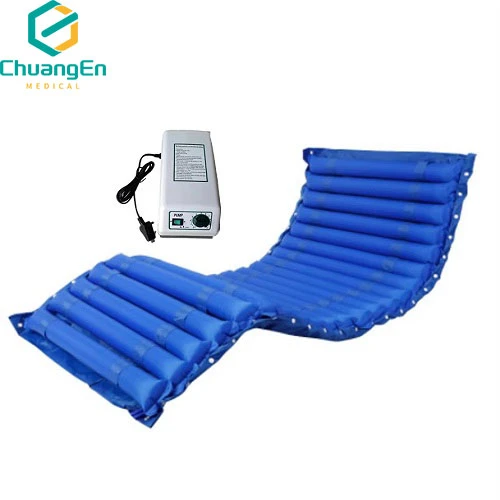
Think of it as an inflatable, layered cushion that sits on top of a regular mattress. Its unique feature is the periodic inflation and deflation of air cells beneath the patient—alternating the pressure applied to different body parts. This dynamic change mimics a caregiver's gentle repositioning, vital for preventing skin ulcers.
In essence, it’s a blend of medical technology and comfort design—tailored to modern healthcare needs, whether in acute hospitals, nursing homes, or even remote disaster relief sites.
Key Features to Look For in Alternating Pressure Pad Mattress Overlays
1. Durability and Material Quality
These overlays often undergo rigorous daily use, so the materials must resist tears and punctures. Most are made from medical-grade PVC or polyurethane, providing water resistance, ease of cleaning, and hypoallergenic properties—essential in infection control.
2. Pressure Cycle Technology
How the air cells inflate/deflate and the duration of cycles (usually 8–12 minutes) significantly impact performance. Some advanced overlays offer customizable cycles based on patient weight or clinical needs.
3. Weight Capacity and Size Options
I’ve noticed that adaptability is key in practice. Different patients require overlays in various sizes and with sturdy weight capacities—ranging from standard single beds up to bariatric sizes.
4. Portability and Power Source
Hospitals value overlays that are lightweight and have reliable pumps. Battery-operated or low-voltage options are popular where power outages are common or during patient transport.
5. Noise Level
It’s kind of a small thing but a quieter pump greatly enhances patient comfort, especially overnight.
6. Infection Control Features
Removable and waterproof covers or materials resistant to microbial growth add an important layer of safety in busy care environments.
Product Specification Table: Typical Alternating Pressure Pad Mattress Overlay
| Feature | Specification |
|---|---|
| Dimensions | 78 x 36 x 3 inches (Standard Single) |
| Weight Capacity | Up to 350 lbs (Bariatric sizes up to 600 lbs) |
| Cycle Time | 8-12 minutes alternating inflation |
| Material | Medical-grade PVC with waterproof coating |
| Pump Noise | Less than 35 dB |
| Power | 110V AC or rechargeable battery |
How Are These Mattress Overlays Used Globally?
From advanced hospitals in the US and Europe to field clinics in developing countries, the alternating pressure pad mattress overlay serves a strikingly diverse range of applications. In eldercare facilities across Japan and Scandinavia, where populations are rapidly aging, preventing bedsores is a daily priority.
In humanitarian contexts, NGOs often deploy these overlays during disaster relief to care for immobilized patients when hospital infrastructure is strained. Oddly enough, a small overlay can make a tangible difference in patient recovery and reduce complications dramatically.
If you’re interested in seeing deployment strategies or caregiver tips, check out more on alternating pressure pad mattress overlay.
Vendor Comparison Table: Features & Pricing Snapshot
| Vendor | Cycle Time (min) | Noise Level (dB) | Weight Capacity (lbs) | Starting Price (USD) |
|---|---|---|---|---|
| ComfortCare | 10 | 32 | 350 | $450 |
| SafeRest Medical | 12 | 38 | 400 | $390 |
| ReliMed | 8 | 35 | 600 (Bariatric) | $520 |
Why Choose an Alternating Pressure Pad Mattress Overlay? The Long-Term Value
The benefits of switching to an alternating pressure pad mattress overlay go beyond preventing ulcers. There’s a profound emotional aspect: improved patient dignity, less pain, and better sleep. From a pragmatic standpoint, hospitals report fewer complications and lower treatment costs related to pressure sores.
Plus, many overlays are built with sustainable materials and support easy maintenance, fitting into greener healthcare practices. In real terms, that reduces waste and operational costs over years of use. Oddly enough, once a facility installs one, caregivers often say it changes the way they approach patient comfort entirely.
Looking Ahead: Innovations and Emerging Trends
The future promises automated overlays that smartly adjust pressure cycles using sensors detecting patient movement or skin temperature. Integration with hospital IoT systems means customizable comfort settings and alerts for caregivers if risks increase. Sustainable bio-based materials and silent, low-energy pumps are also gaining traction.
Organizations pushing for greener healthcare applaud these advances, as they balance patient wellbeing with environmental considerations—kind of a win-win problem solved by innovation.
Common Challenges and How Experts are Tackling Them
Despite their popularity, alternating pressure pad mattress overlays are not a silver bullet. Issues with pump failure, setup complexity, or patient intolerance can arise. Training staff to recognize problems early and routine equipment checks go a long way.
Some vendors are now offering modular parts for quick repairs and intuitive interfaces to make daily use easier. Plus, combining mattress overlays with specialized cushions or repositioning strategies yields better outcomes.
FAQ: Answering Top Questions About Alternating Pressure Pad Mattress Overlays
- Q: How often should the pressure cycle be adjusted for different patients?
A: Most devices default to 8–12 minute cycles, but clinicians may adjust based on patient weight, skin condition, and mobility. Always follow manufacturer guidance and healthcare professional advice. - Q: Can these overlays be used with standard hospital beds?
A: Yes, overlays are designed to fit on most standard mattress sizes without interfering with bed functions, making retrofitting straightforward. - Q: Are alternating pressure pad mattress overlays suitable for home care?
A: Absolutely. Many home care agencies use them, especially for elderly or bedridden patients, to reduce hospital visits related to pressure ulcers. - Q: What maintenance does an overlay require?
A: Routine cleaning of covers, pump filter checks, and testing for leaks help ensure long-term reliability. Some models have washable covers for easier sanitation. - Q: How do I choose between different product vendors?
A: Consider key factors like cycle time, noise levels, weight capacity, and warranty. Also assess supplier reputation, post-purchase support, and cost.
Final Thoughts: Taking the Pressure Off
When you get right down to it, the alternating pressure pad mattress overlay is a quietly powerful innovation that merges patient-centered care with smart technology. It’s a perfect example of how thoughtful design improves lives and lightens burdens—in hospitals, homes, or crisis zones alike.
If your facility hasn’t yet embraced this technology, now might be the time. Visit our website at https://www.chuangenmedical.com for more info and options that fit your needs.
Mini Takeaway:
Simple inflation cycles, thoughtful materials, and effective deployment translate into massive improvements in patient outcomes worldwide. The alternating pressure pad mattress overlay isn’t just a product; it’s a necessary step toward humane, modern care.
References: