Understanding Alternating Pressure Pads for Recliners: Comfort Meets Medical Science
In a world where comfort blends closely with healthcare innovation, alternating pressure pads for recliners have emerged as subtle but essential tools. They might not be front-page news, but their impact is significant — especially in clinical settings and for anyone facing mobility challenges.
The concept sounds simple: a cushion that periodically redistributes pressure to prevent skin breakdown and ulcers. Globally, that matters more than you might think. The World Health Organization estimates that pressure ulcers affect millions annually, costing healthcare systems billions of dollars and, more importantly, affecting patient quality of life. Understanding how something as straightforward as an alternating pressure pad for recliner can alleviate this problem isn’t just technical—it’s humanitarian.
The Global Urgency Behind Alternating Pressure Pad Technology
Worldwide, populations are aging, and chronic conditions are rising. According to the United Nations, those aged 65 and over are expected to double by 2050. This demographic shift increases the risk of pressure ulcers and skin injuries, particularly for bedridden or chair-bound individuals. The alternating pressure pad concept answers a pressing challenge: how to maintain skin integrity without constant manual repositioning—a task that’s resource-heavy and often impossible in overstretched care environments.
ISO standards on medical pressure care devices underline safety and efficacy criteria, guiding product development globally. Yet, many low-resource settings still struggle to access even these basic aids, highlighting a persistent inequity this technology strives to bridge.
alternating pressure pad for recliner solutions represent an intersection of ergonomic design, medical science, and accessibility. They’re more than cushions; they’re a global health asset.
What Exactly Is an Alternating Pressure Pad for Recliners?
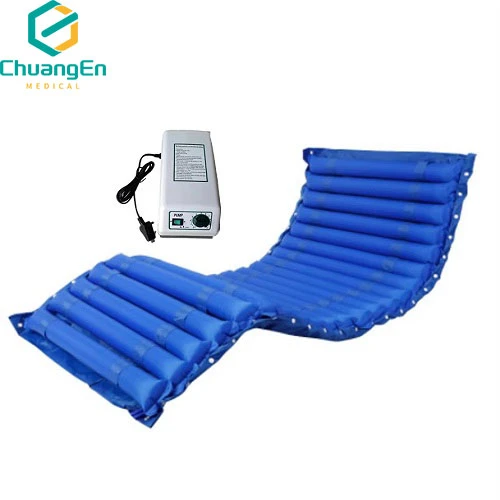
Put simply: an alternating pressure pad for recliner is a specialized cushion designed to cyclically inflate and deflate air cells beneath the user. This action shifts pressure points on the skin, mimicking subtle movements we naturally make when sitting or lying down. For individuals spending prolonged periods in one position—say, after surgery or due to chronic illness—this cyclic pressure change supports blood flow and reduces tissue damage.
This technology is integrally linked to clinical care but also increasingly common in homecare and rehabilitation. It reflects a broader trend in patient-centered design, balancing comfort, prevention, and ease-of-use.
Key Features That Define Modern Alternating Pressure Pads
1. Durability and Material Quality
The outer covers should resist fluid penetration and abrasions while being easy to clean—this is crucial in healthcare settings. Typical materials include medical-grade vinyl or waterproof polyester blends.
2. Pressure Regulation Cycle
Cycles usually range from 7 to 15 minutes. Too fast, and the user might feel discomfort; too slow, and tissue damage risks rise. Finding the right balance here is a design art in itself.
3. Compatibility and Size
Pads must fit a variety of recliner sizes—from home models to hospital-grade furniture. Modular or adjustable designs enhance versatility.
4. Power Source and Portability
Most systems plug into AC power, but some include battery options for portability—a growing priority in ambulatory care or assisted living facilities.
5. Noise Levels
Considering these pads often run for hours nonstop, quiet pumps and valves are favored. Excess noise can stress patients or users, undermining comfort benefits. Manufacturers compete here with increasingly silent designs.
6. Safety Features
Overpressure alarms, automated shutoffs, and easy-to-use control panels empower caregivers and users to maintain safe, effective use.
Product Specification Table
| Specification | Details |
|---|---|
| Dimensions | 24" x 24" (adjustable models available) |
| Weight Capacity | Up to 300 lbs |
| Cycle Time | 7 to 15 min alternation |
| Material | Waterproof medical-grade vinyl |
| Power Source | 110-240V AC with optional battery pack |
| Noise Level |
How and Where Are These Pads Used Around the World?
Healthcare facilities in North America and Europe have long adopted alternating pressure pads as standard preventative equipment. But it’s the expanding markets in Asia-Pacific and Latin America where growth is brisk, driven by improving healthcare infrastructure and aging populations.
In post-disaster relief, temporary medical shelters equipped with these pads can prevent secondary injuries among displaced or immobilized patients. Remote industrial sites nearing occupational health risks also rely on portable alternating pressure pads to protect workers resting in recliners between shifts.
Interestingly, some rehabilitation centers integrate these pads with smart sensors to track patient movement and tissue health—a glimpse into a smart-care future.
Vendor Comparison at a Glance
| Vendor | Price Range | Key Feature | Warranty |
|---|---|---|---|
| ChuangEn Medical | $80 - $150 | Compact with battery option | 2 years |
| AirComfort Systems | $120 - $200 | Adjustable cycle duration | 1 year |
| MedPulse HealthTech | $95 - $160 | Low noise pump technology | 3 years |
Advantages and Lasting Benefits
Cost-wise, alternating pressure pads cut down on labor needed for repositioning patients—freeing up caregivers’ time. There's also the bigger picture: fewer bedsores lead to shorter hospital stays, less antibiotic use, and generally better outcomes. The pads promote dignity and comfort, which is often overlooked but vital.
Plus, many come with durable, washable covers, reducing waste and ecological footprint compared to disposable alternatives. Innovations in materials are steering these products toward greener futures.
The Road Ahead: Innovation and Sustainability
Future iterations are flirting with IoT integration. Imagine a pad that sends real-time alerts to nursing stations or syncs with electronic health records. Some engineers are exploring biodegradable materials, aiming to blend performance with environmental conscience.
Also, lightweight, battery-powered models are poised to make care on the move much easier.
Facing Challenges and Finding Solutions
No product is perfect. Issues like pump noise, limited portability, and upfront costs can slow adoption. But manufacturers are responding with quieter motors, rechargeable batteries, and modular designs that fit a range of recliners.
There’s also an ongoing education curve. Medical staff must be trained on optimal use to see maximum benefits. Many hospitals are implementing brief training sessions paired with product guides to tackle this.
FAQs About Alternating Pressure Pads for Recliners
-
Q: How often should the alternating pressure pad cycle occur?
A: Typically, the inflation and deflation cycle ranges from 7 to 15 minutes. This balance maintains comfort while effectively redistributing pressure to prevent ulcers. -
Q: Can these pads be used on any recliner model?
A: Most pads are adjustable or come in standard sizes that fit common recliner dimensions. It's best to check compatibility with your specific chair to ensure optimal performance. -
Q: Are the pads easy to clean and maintain?
A: Yes, they usually feature waterproof, medical-grade covers that wipe clean easily. Regular cleaning protocols are essential to maintain hygiene, especially in clinical environments. -
Q: Do alternating pressure pads require a lot of power?
A: They consume relatively low power, generally running off standard AC outlets. Some models offer battery options for temporary use without cords. -
Q: Will patients find the inflation cycles disturbing?
A: Good quality pads operate quietly with gentle cycles designed for comfort. Most users adapt quickly and report increased overall comfort.
Wrapping It Up: Why the Alternating Pressure Pad for Recliner Is More Than Just a Cushion
At face value, these pads seem straightforward—just air cells inflating and deflating. But dive a little deeper, and you see they’re a mix of careful engineering, patient care philosophy, and practical design. They’re saving skin, easing caregiver burdens, and quietly redefining how comfort and medical prevention can coexist. For clinical professionals, family caregivers, or anyone interested in health innovation, they’re worth a look—or maybe a test run.
Want to explore superior models and reliable suppliers? Visit our site for the latest on alternating pressure pads designed specifically for recliners.
Mini takeaway: Alternating pressure pads for recliners marry comfort and clinical utility in a device designed for longevity, safety, and adaptability—cornerstones for modern healthcare.