Understanding Alternating Pressure Pads for Bed: A Vital Healthcare Solution
Alternating pressure pads for bed have quietly revolutionized patient care worldwide, especially in the quest to prevent pressure ulcers and improve comfort for bedridden individuals. Given the growing aging population and rising incidences of immobility, understanding these devices is crucial—not just for hospitals and clinics, but for families and caregivers alike. Their ability to redistribute pressure and stimulate blood flow reduces risks associated with long-term bed rest. This article unpacks what alternating pressure pads are, why they matter globally, and how they are shaping the future of patient comfort and safety.
The Global Context: Why Alternating Pressure Pads Matter More Than Ever
Globally, over 1.5 million people develop pressure ulcers annually, according to the World Health Organization (WHO). Those figures are expected to rise as populations age and mobility challenges increase, particularly in countries with expanding elderly demographics like Japan, Germany, and the United States. Notably, the United Nations’ aging report projects that by 2050, one in six people worldwide will be over age 65—making pressure care an urgent health priority.[1] That’s where alternating pressure pads for bed step in, presenting a practical, affordable, and scalable solution to a complex problem. These pads reduce the burden on caregivers and lower healthcare costs by preventing sores that are often costly and difficult to treat.
In low-resource settings, where staffing is scarce and hospital stays are longer, these devices can mean the difference between ulcer formation and healing. Their relevance spans intensive care units, long-term nursing facilities, and even home care environments.
What Exactly Is an Alternating Pressure Pad for Bed?
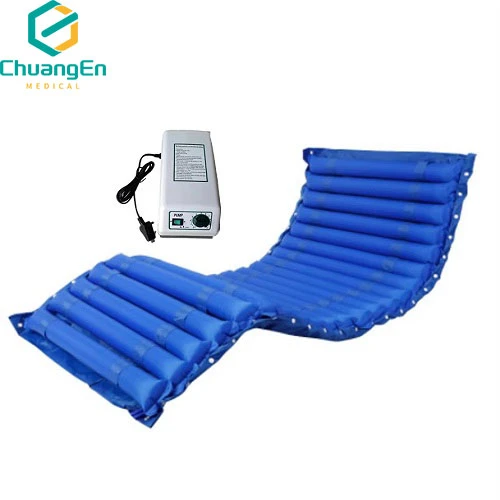
Put simply, an alternating pressure pad for bed is a mattress overlay made of interconnected air cells that cyclically inflate and deflate at intervals. This repetitive pressure redistribution mimics natural movement, decreasing continuous pressure on high-risk areas like the sacrum, heels, and shoulders.
The underlying technology uses a compact pump system to control air flow, with various modes tailored to patient needs. While the concept is straightforward, modern pads integrate advanced fabrics for breathability and antimicrobial properties, connecting phone apps for monitoring in some advanced versions.
These pads belong to a family of support surfaces recognized by the International Organization for Standardization (ISO) and healthcare regulators as essential in pressure ulcer prevention.[2] Their role is not just clinical but humane—helping bedridden patients retain dignity and comfort.
Core Components That Make These Pads Work
1. Durability
Built to last, many alternating pressure pads use high-grade polyurethane air cells which resist punctures and deformation over time. Durability translates into long-term reliability, especially important in hospitals where budget and sanitation cycles are intense.
2. Pressure Redistribution Technology
The hallmark is the alternating cycles of inflation and deflation, usually set between 10 to 12 minutes per cycle. This timing ensures constant movement to stimulate capillary blood flow, thereby minimizing tissue ischemia.
3. Portability and Ease of Use
Many users underscore how lightweight and simple it is to install these pads on existing beds. For home caregivers or mobile healthcare units, this portability is critical.
4. Noise Level
Surprisingly important, modern pumps operate quietly (often below 30 decibels), reducing patient sleep disturbances and improving recovery conditions.
5. Power Efficiency and Battery Backup
Since patients rely on continuous operation, many models feature low energy consumption and backup batteries, ensuring uninterrupted therapy during power outages.
6. Hygiene Features
Antimicrobial coatings and waterproof covers help reduce infection risk—a vital factor in both hospital and home environments.
Product Specification Table: Popular Alternating Pressure Pads
| Feature | Model A | Model B | Model C |
|---|---|---|---|
| Number of Air Cells | 18 | 20 | 22 |
| Pump Noise (dB) | 28 | 30 | 26 |
| Weight Capacity (kg) | 120 | 135 | 150 |
| Cycle Time (minutes) | 10 | 12 | 10 |
| Power Backup | No | Yes (2 hr) | Yes (4 hr) |
How and Where Are These Pads Used Globally?
The applications of alternating pressure pads range widely—hospitals in North America and Europe use them extensively to reduce hospital-acquired pressure ulcers, which alone cost the US healthcare system upwards of $11 billion a year.[3] Meanwhile, in Asia-Pacific and Africa, NGOs incorporate these pads into mobile clinics and disaster relief shelters, often as part of field hospitals treating immobilized trauma patients or the elderly. Oddly enough, in some remote indigenous communities, these pads have become a direct way to uphold human dignity when professional nursing home care is unavailable.
Whether it’s a large metropolitan hospital or a rural home, the alternating pressure pad is a practical equalizer. Caregivers report faster patient recovery times and noticeably fewer skin complications, which can be a game-changer for long-term wellbeing.
Advantages and Long-Term Value of Using Alternating Pressure Pads
- Cost Reduction: Preventing pressure ulcers drastically reduces treatment expenses and hospital stays.
- Enhanced Patient Comfort: Many patients report improved sleep and reduced pain.
- Sustainability: Durable materials and energy-efficient pumps mean less waste and power use.
- Emotional Benefits: Maintaining skin integrity promotes dignity and psychological wellbeing.
- Reliability: Continuous operation with backup options improves care consistency.
An investment that pays for itself over time, broadly speaking. For families caring for loved ones, it’s not merely a mattress but a peace-of-mind provider.
Vendor Comparison: Choosing the Right Provider
| Feature | Chuang'en Medical | ComfortAir | HealthPro Solutions |
|---|---|---|---|
| Years on Market | 15 | 10 | 8 |
| Price Range | $$ | $$$ | $ |
| Warranty | 3 Years | 2 Years | 1 Year |
| Customizable Options | Yes | Limited | No |
| Customer Support | 24/7 | Business Hours | Email Only |
| Additional Features | Battery Backup, App Monitoring | Bluetooth Connectivity | None |
Emerging Trends and Innovations in Alternating Pressure Pads
The next generation of alternating pressure pads is embracing smart technology—think real-time pressure monitoring, digital feedback apps, and AI-controlled pressure adjustments customized to patient physiology. Sustainability is another growing trend: manufacturers are exploring biodegradable materials and solar-powered pumps to cut carbon footprints.
I suppose the challenge lies in balancing cutting-edge tech with accessibility. Not every healthcare facility or home environment is ready for IoT-enabled devices, but the trend is clear—healthcare is inching toward smarter, greener, and more integrated solutions.
Common Challenges & Solutions
One major issue is the learning curve for caregivers unfamiliar with device settings or maintenance. Fortunately, many suppliers now offer online training or on-site demonstrations to bridge that gap. In addition, equipment failure risks are mitigated by adding battery backups and easy replacement parts.
Other challenges include cost barriers for low-income populations. Some governments and NGOs are addressing this by subsidizing devices or bulk purchasing to reduce unit costs. It’s a work in progress, but the momentum is promising.
Frequently Asked Questions About Alternating Pressure Pads for Bed
Q1: How often should an alternating pressure pad be used for bedridden patients?
Ideally, these pads should be in continuous use for patients at high risk of pressure ulcers, especially those immobile for more than two hours. However, always follow the care team’s guidelines tailored to individual needs.
Q2: Can these pads be used on any standard hospital or home bed?
Yes, most alternating pressure pads are designed as overlays compatible with standard mattresses. Still, it’s good to check the size and weight capacity to ensure optimal performance.
Q3: What maintenance is required to keep the pad functional?
Regular cleaning of the cover according to manufacturer instructions, periodic checks for leaks, and ensuring the pump is operational are key steps. Annual professional servicing is often recommended.
Q4: Are alternating pressure pads covered by medical insurance?
Coverage varies by region and insurance plan. Many insurance providers do cover these pads as durable medical equipment, especially when prescribed by a physician. It’s best to verify with your insurer.
Q5: How do alternating pressure pads compare to foam mattresses for ulcer prevention?
While foam mattresses provide basic pressure relief, alternating pressure pads offer dynamic pressure redistribution, proven more effective in preventing and managing pressure ulcers.
Wrapping It Up: Why the Alternating Pressure Pad Is a Smart Investment
To sum it up, alternating pressure pads for bed are more than just comfort aids—they’re lifelines in pressure ulcer prevention, keeping patients healthier and caregivers less burdened. They combine smart design, proven tech, and compassionate care in a neat package. If you’re in healthcare or caring for someone immobile, look into integrating these pads—it’s an investment in dignity and wellbeing that pays off in spades.
For a dependable, innovative option, consider exploring the range available at Chuang'en Medical. Because when it comes to patient care, comfort isn’t a luxury—it’s a necessity.
Key Takeaway
Alternating pressure pads combine technology, comfort, and clinical efficacy, offering a cost-effective solution to a growing global health challenge. As healthcare evolves, so will these devices, increasingly tailored to patient needs and environmental sustainability.