The Role of Alternating Pressure Pads for Hospital Beds: Comfort Meets Care
At some point—and quite frankly, whether in bustling urban hospitals or quiet rural clinics—patients who are bedridden need more than just a mattress. Enter the alternating pressure pad for hospital bed, a device quietly transforming healthcare and patient recovery worldwide. Understanding this technology goes beyond healthcare jargon; it’s about enhancing comfort, preventing serious complications like pressure ulcers, and providing dignity to those who need it most.
Why do alternating pressure pads matter globally?
Roughly 18 million people worldwide endure pressure ulcers annually, many of which develop due to prolonged immobility. The World Health Organization points out that such wounds aren’t just health risks—they’re costly burdens on healthcare systems. Alternating pressure pads, by redistributing pressure and enhancing blood flow, reduce the incidence of these wounds. They’re a simple yet vital innovation bridging advanced medical standards with humanitarian need.
Mini takeaway: Alternating pressure pads improve patient outcomes and reduce healthcare burdens globally by preventing pressure injuries.
Exploring the Global Challenge: Why Better Hospital Bed Pads Are Essential
Considering that the global population over 60 years of age is expected to double by 2050 (UN data), the demand for innovative patient-care devices like alternating pressure pads is only growing. Chronic conditions and mobility limitations mean more patients confined to beds longer, where skin integrity declines rapidly. According to ISO standards for medical devices, pressure redistribution surfaces are critical aids in maintaining skin health during prolonged immobility.
Yet challenges remain: uneven access in low-resource settings, variable product quality, and costs can all limit proper usage. This creates a real-world gap between the promise of these pads and their life-saving potential—highlighting the need for scalable, affordable, and durable designs.
In essence:
- Population aging drives increasing demand.
- Pressure injuries are a costly, preventable global health challenge.
- Alternating pressure pads present a practical, evidence-backed response.
What Exactly Is an Alternating Pressure Pad for Hospital Bed?
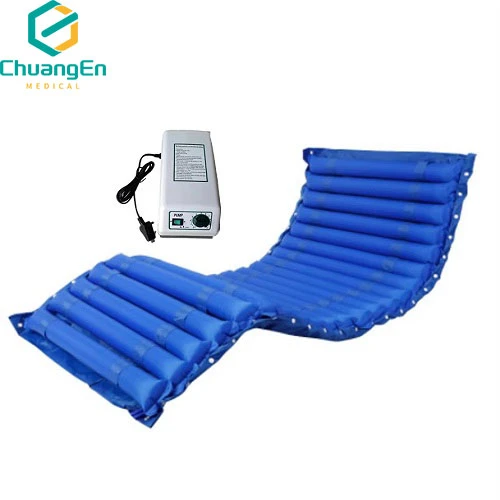
Simply put, it’s a specialized mattress overlay that cyclically changes pressure zones underneath a patient by inflating and deflating air cells. Compared to static foam pads, these alternating pressure pads actively reduce the constant stress placed on skin and tissues, promoting better blood circulation and minimizing ulcer risk.
In modern healthcare, they’re part of a broader focus on prevention—aligning clinical care and human dignity. In disaster zones, for example, these pads can prevent complications in vulnerable patients even when full hospital beds aren’t available.
Core components that make it work:
1. Air Cell Design
Interconnected air cells alternate inflation to change pressure distribution. Their size, number, and patterns vary by model to suit different patients.
2. Control Unit
A pump with adjustable cycles governs inflation timing, allowing clinicians to set pressure relief intervals based on patient needs.
3. Cover Material
Waterproof, breathable, and often antimicrobial fabrics protect both patient and device, enhancing hygiene and durability.
4. Pressure Adjustment Settings
Allows customization of firmness and cycle speed—important for specialized care or patient comfort.
Mini takeaway: The alternating pressure pad combines smart air cell engineering, intuitive controls, and patient-friendly materials to protect vulnerable skin.
Global Applications: Where and How These Pads Make a Difference
From intensive care units in North America to community clinics across Asia and Europe, alternating pressure pads are indispensable. Here are a few notable real-world scenarios:
- Post-operative care: Reducing bedsores while patients recover from surgery.
- Long-term care facilities: Protecting elderly residents who spend most of their time resting.
- Field hospitals in disaster zones: Portable pads minimize pressure injury risks when quick patient turnover and limited resources prevail.
- Home health care: Empowering patients and caretakers with user-friendly options for at-home treatment.
In fact, organizations like the Red Cross and Médecins Sans Frontières often incorporate these pads into their emergency medical kits due to their proven impact.
Advantages & Long-Term Value of Alternating Pressure Pads
Beyond their obvious role in pressure ulcer prevention, these pads offer a swath of benefits:
- Cost Efficiency: Slash long-term wound treatment costs by preventing ulcers outright.
- Sustainability: Many modern pads utilize durable, recyclable materials and energy-efficient pumps.
- Safety & Trust: Patient comfort leads to lower anxiety, better rest, and a sense of dignity during vulnerable moments.
- Clinical Innovation: Integration with hospital beds and electronic health records enables tailored care.
Frankly, these devices hit a sweet spot where technology meets empathy.
Product Specification Snapshot
| Specification | Typical Values | Notes |
|---|---|---|
| Pad Dimensions | 72" x 36" (Standard twin size) | Fits most hospital beds |
| Air Cell Count | 18–24 cells | Varies by model |
| Pressure Cycle Time | 8-12 minutes | Adjustable on control unit |
| Weight Capacity | Up to 350 lbs | Supports most adults |
| Material | Polyurethane with antimicrobial coating | Waterproof, easy to clean |
| Power Supply | AC 110-240V, 50/60 Hz | Energy efficient pump |
Comparing Leading Vendors of Alternating Pressure Pads
| Vendor | Price Range | Warranty | Unique Feature | Customer Support |
|---|---|---|---|---|
| MediRest | $900–$1100 | 3 years | Quiet pump operation | 24/7 tech support |
| CareFlow | $750–$950 | 2 years | Adjustable cell firmness | Onsite training available |
| HealthGuard | $850–$1050 | 3 years | Antimicrobial coated fabric | Dedicated account manager |
Looking Ahead: Innovations Shaping the Future of Pressure Pads
We’re just scratching the surface. New developments on the horizon include:
- Smart sensors embedded in pads that monitor pressure levels and send alerts to caregivers.
- Eco-friendly materials: Biodegradable or recycled fabrics reducing environmental footprints.
- Battery-powered, wireless pumps improving portability, especially in field hospitals or home care.
- AI-driven adjustment systems that automatically tailor pressure cycles to patient movements.
These innovations suggest a future not only safer and more comfortable for patients but greener and smarter for healthcare providers.
Challenges & How We Overcome Them
Despite advances, challenges persist. Some pads are too costly for clinics in underserved regions, and maintenance can be an issue where technical support is scarce. But modular designs, lower power consumption, and increased local manufacturing are lowering barriers.
Plus, alternating pressure pad for hospital bed specialists emphasize training and easy-to-use controls as critical to effective adoption—human factors that often get overlooked.
FAQ: Your Alternating Pressure Pad Questions Answered
- How often should an alternating pressure pad cycle pressure changes?
- Typically every 8 to 12 minutes, balancing enough pressure relief with patient comfort. This timing can be adjusted based on clinical need.
- Can these pads prevent all pressure ulcers?
- While highly effective, they are part of a comprehensive care plan that includes repositioning, nutrition, and skin care. No single device guarantees prevention alone.
- Are alternating pressure pads easy to clean?
- Most pads feature waterproof, antimicrobial covers that wipe down easily, but full cleaning instructions vary by manufacturer.
- How portable are these devices for home care?
- Many models are lightweight and come with compact pumps, making them manageable for caregivers in home settings.
A Quick Wrap-Up + How to Learn More
In the long run, alternating pressure pads for hospital beds embody innovation meeting empathy—reducing suffering, improving recovery, and supporting caregivers worldwide. If you’re in healthcare or caregiving, your next step may be one simple click—explore more at our website.
After all, comfort is more than a luxury—it’s a necessity.