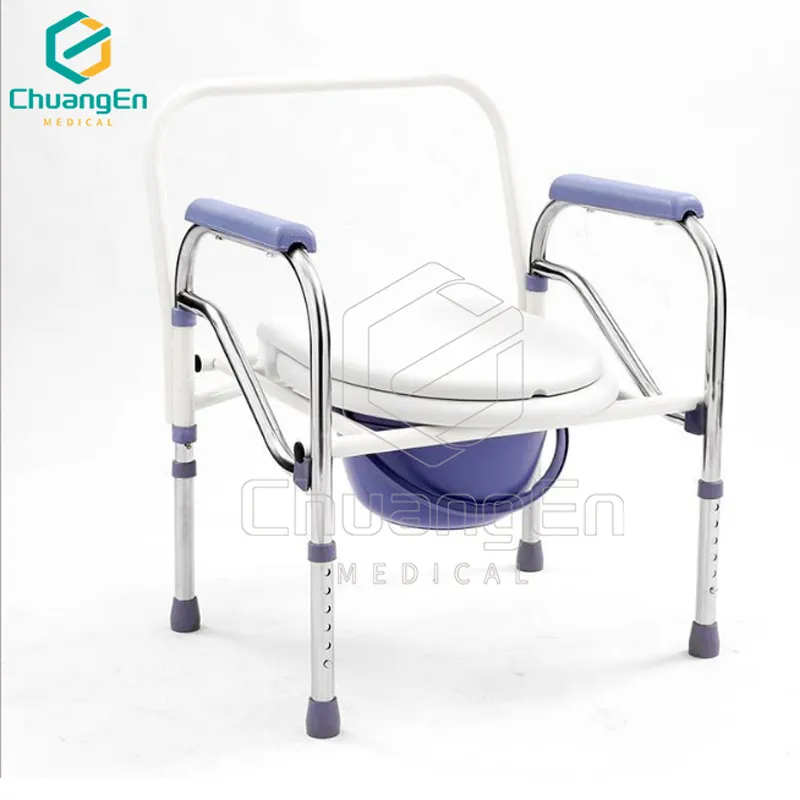
The Evolution of Patient Mobility: Understanding Transport Chairs for Modern Healthcare
In the dynamic landscape of healthcare, the efficient and safe transfer of patients is paramount, directly impacting both patient well-being and caregiver efficacy. Modern transport chairs for sale represent a critical category of medical equipment designed to address these complex needs, moving beyond basic mobility aids to integrate advanced ergonomics, safety features, and often, hydraulic assistance. The market for patient transfer solutions is experiencing robust growth, driven by an aging global population, increasing prevalence of chronic conditions, and a heightened focus on reducing musculoskeletal injuries among healthcare professionals. According to recent industry reports, the global patient handling and lifting equipment market is projected to reach over USD 15 billion by 2027, with a significant portion attributed to versatile transfer solutions like hydraulic patient lifts and specialized transport chairs.
These devices are no longer mere wheelchairs; they are sophisticated engineering marvels, integrating features that cater to diverse clinical environments, from acute care hospitals and long-term care facilities to home care settings. Key trends include the integration of smart technologies for monitoring, enhanced modularity for multi-functional use (e.g., commode, shower, lift), and a strong emphasis on user-friendly interfaces for caregivers. The demand for robust and reliable transfer chairs for sale, particularly those with hydraulic capabilities, reflects the industry's commitment to improving patient dignity and operational efficiency.
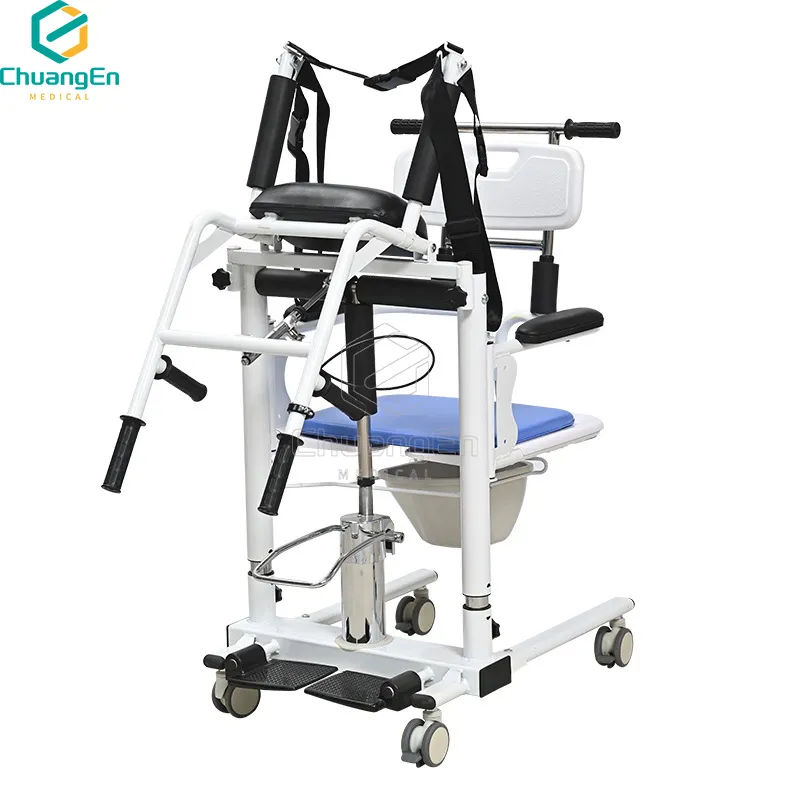
Precision Engineering: The Manufacturing Process of Advanced Transport Chairs
The manufacturing of high-quality transport chairs for sale, especially advanced hydraulic models, involves a meticulously engineered process to ensure durability, safety, and functionality. It combines material science with precision manufacturing techniques.
Manufacturing Process Flow:
- Material Selection & Preparation: High-grade materials are chosen for their strength, corrosion resistance, and biocompatibility. This includes aerospace-grade aluminum alloys for lightweight frames, high-strength stainless steel for critical load-bearing components, and medical-grade ABS plastics for patient contact surfaces. These materials undergo strict quality inspection to conform to ASTM and EN standards.
-
Component Fabrication:
- CNC Machining: Precision components, particularly for hydraulic systems and articulating joints, are manufactured using Computer Numerical Control (CNC) machining. This ensures micron-level tolerances, critical for smooth operation and minimal wear, enhancing the service life to typically 7-10 years under normal operating conditions.
- Laser Cutting & Bending: Frame components are cut using high-precision laser technology, followed by automated bending to achieve exact geometries. This minimizes material waste and ensures structural integrity.
- Welding: Robotic and skilled manual TIG/MIG welding techniques are employed for joining frame elements, ensuring robust, aesthetic, and penetration-consistent welds. Each weld undergoes non-destructive testing (NDT) to prevent fatigue failures.
- Hydraulic System Assembly: The core hydraulic patient lift mechanism, comprising cylinders, pumps, valves, and reservoirs, is assembled in a cleanroom environment to prevent contamination and ensure optimal performance. Components are sourced from certified suppliers.
- Surface Treatment & Finishing: All metal components undergo multi-stage surface treatments, including sandblasting, priming, and electrostatically applied powder coating. This provides exceptional corrosion resistance, superior to standard painted finishes, and complies with ISO 9227 (Salt Spray Testing) standards, crucial for medical environments with frequent cleaning. For hydraulic components, specialized anti-corrosion coatings are applied.
- Final Assembly: Sub-assemblies (frame, hydraulic unit, seat, backrest, wheels, control panel) are brought together. This stage involves meticulous fitting, wiring (for electric models), and functional testing of all moving parts.
-
Quality Assurance & Testing: Each chair undergoes rigorous testing:
- Load Testing: Static and dynamic load tests exceeding the rated capacity (e.g., 1.5x SWL) to ensure structural integrity and stability.
- Functionality Testing: Verification of all hydraulic functions, braking systems, wheel swivel, and component adjustability.
- Safety Standards Compliance: Adherence to international medical device standards such as ISO 13485 (Quality Management), ISO 10535 (Hoists for the transfer of disabled persons), ANSI/RESNA, and CE marking directives for Europe, ensuring the devices meet stringent safety and performance criteria.
- Environmental Testing: Resistance to common cleaning agents and disinfectants, crucial for maintaining hygiene in medical settings.
- Packaging & Shipping: Chairs are securely packaged to prevent damage during transit, ready for deployment to target industries such as hospitals, nursing homes, rehabilitation centers, and home care providers.
This comprehensive process ensures that each hydraulic transfer chair is not only functional but also highly durable, safe, and meets the rigorous demands of professional medical environments, offering significant advantages in energy saving (efficient hydraulic systems) and superior corrosion resistance.
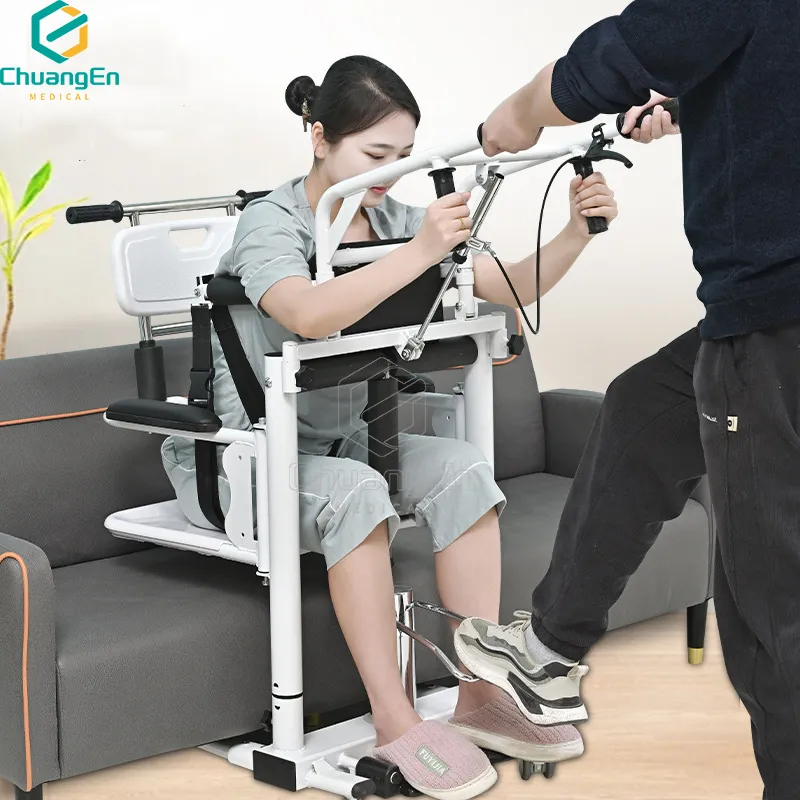
Technical Specifications: CZY-Y06 Hydraulic Transfering Patient Lift With Commode
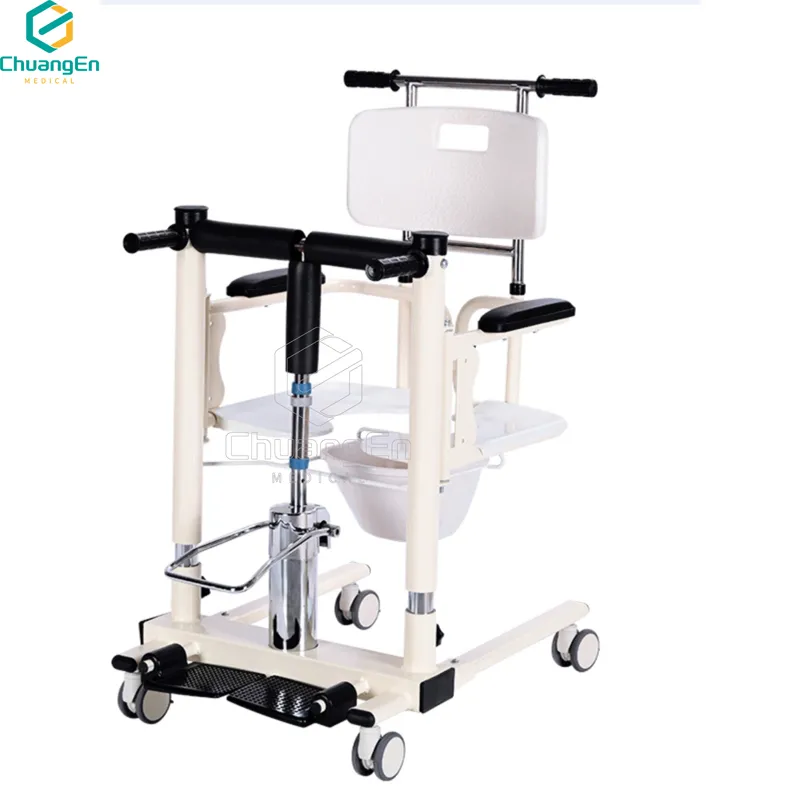
The CZY-Y06 Hydraulic Transfering Patient Lift With Commode exemplifies advanced engineering in patient transfer technology. Designed for versatility and patient comfort, this unit combines the functionality of a hydraulic patient lift with the practicality of a commode chair, making it an indispensable asset in various care settings.
Key Parameters and Features:
| Parameter | Specification (CZY-Y06) |
|---|---|
| Product Name | CZY-Y06 Hydraulic Transfering Patient Lift With Commode |
| Lifting Mechanism | Manual Hydraulic Pump System |
| Max. Lifting Capacity (SWL) | 150 kg (330 lbs) |
| Lifting Height Range | Adjustable, typically 400mm to 800mm (from seat bottom) |
| Overall Dimensions (L x W x H) | Approx. 800mm x 600mm x 1000mm (folded/compact) |
| Base Width (Adjustable) | Narrowest 550mm, Widest 750mm (for stability and access) |
| Wheel/Caster Diameter | 100mm (4-inch) with locking mechanisms (all four wheels) |
| Frame Material | High-strength powder-coated steel |
| Seat/Backrest Material | Medical-grade, waterproof, anti-bacterial PU or PVC |
| Integrated Features | Commode function, adjustable leg spread, safety belt, anti-tipping design |
| Certifications | CE, ISO 13485 |
| Net Weight | Approx. 35 kg |
The "Safe Working Load" (SWL) of 150 kg indicates its capacity for a broad range of patients. The adjustable base width is a crucial design element, enabling caregivers to navigate narrow doorways or position the lift closer to a bed or toilet for optimal access and reduced strain. The 100mm locking casters ensure both smooth transit and secure immobility when transfers are in progress. Such robust specifications underscore the CZY-Y06's role as a reliable medical hydraulic patient lift.
Versatile Application Scenarios for Patient Transfer Solutions
The utility of advanced transfer lift chair systems extends across a wide spectrum of healthcare environments. Their multi-functional design addresses various patient mobility challenges, enhancing safety and dignity.
Typical Use Cases:
- Hospital Wards & ICUs: Essential for transferring patients from beds to wheelchairs, examination tables, or commodes. The CZY-Y06's integrated commode function is particularly valuable, allowing for toileting without multiple transfers, minimizing infection risk and patient discomfort. Its compact design facilitates maneuvering in crowded ward spaces.
- Long-Term Care Facilities & Nursing Homes: These settings rely heavily on efficient patient handling to manage daily routines for residents with limited mobility. A hydraulic lift for elderly residents ensures smooth transfers for showering, feeding, and recreational activities, reducing the physical strain on nursing staff and the risk of falls for residents.
- Home Care Environments: For individuals recovering from surgery, stroke, or living with chronic conditions, a hydraulic chair for elderly or disabled individuals significantly improves quality of life. It empowers family caregivers to provide safe transfers, allowing patients to remain in their homes longer while maintaining essential hygiene and mobility.
- Rehabilitation Centers: Integral to therapy, these chairs aid in safe transfers for patients undergoing physical rehabilitation. They allow therapists to focus on exercises rather than manual lifting, facilitating quicker and safer transitions between different therapy stations.
- Surgical Preparation & Recovery Areas: Facilitates seamless transfer of patients between stretchers, operating tables, and recovery beds, optimizing workflow and enhancing patient comfort during critical phases of care.
The adaptability of these solutions demonstrates their critical role in creating safer, more efficient, and more dignified care experiences across the entire healthcare continuum. For instance, the CZY-Y06, specifically designed as a hydraulic transfer lift chair, excels in scenarios where a patient needs to be moved from a bed, transported across a room, and then positioned over a toilet or into a shower, all with minimal physical exertion from caregivers.
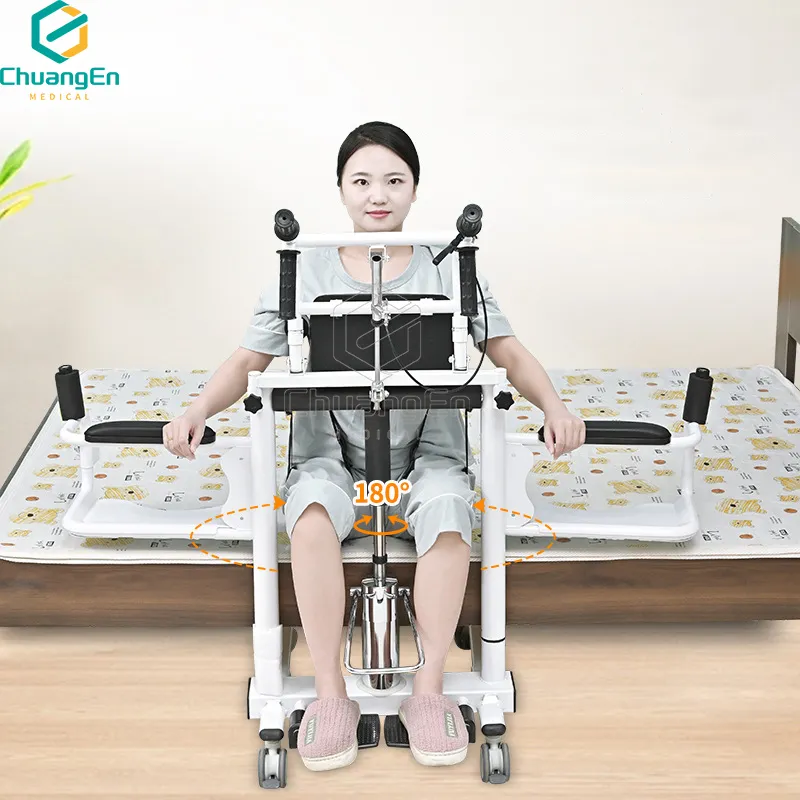
Technical Advantages and Operational Benefits
Investing in advanced transport chairs for sale, particularly those with hydraulic capabilities, yields substantial technical and operational advantages for healthcare providers and patients alike.
Key Advantages:
- Enhanced Patient Safety and Comfort: Hydraulic systems provide exceptionally smooth and controlled lifting and lowering, minimizing sudden movements that could cause fear or injury to the patient. Features like padded seats, secure harnesses, and anti-tipping bases ensure stability throughout the transfer process. This gentle operation is especially critical for frail or post-operative patients.
- Reduced Caregiver Strain and Injury Risk: Manual patient transfers are a leading cause of musculoskeletal injuries among healthcare workers. A lift chair hydraulic system eliminates the need for manual lifting, significantly reducing physical strain on staff. This not only improves caregiver well-being but also reduces compensation claims and staff turnover, leading to long-term cost savings for facilities.
- Operational Efficiency and Workflow Optimization: Quick and easy transfers mean less time spent on patient repositioning and more time for direct patient care. Multi-functional chairs, like the CZY-Y06 with its commode capability, streamline routines by consolidating tasks, improving patient throughput, and optimizing resource allocation within busy healthcare settings.
- Superior Hygiene and Infection Control: Constructed from medical-grade, easily cleanable materials (e.g., waterproof PU, powder-coated steel), these chairs facilitate rigorous disinfection protocols. Removable components, such as commode pails, further enhance the ability to maintain a sterile environment, crucial for preventing healthcare-associated infections (HAIs).
- Durability and Longevity: Robust construction with high-strength materials and precision engineering ensures a longer service life, often exceeding seven years. This durability translates into a lower total cost of ownership (TCO) compared to less robust, cheap transport chair alternatives that require frequent replacement or repair.
- Versatility and Adaptability: Adjustable features, such as leg spread and lifting range, allow for adaptation to various patient sizes and room configurations. This versatility means a single unit can serve multiple functions, reducing the need for specialized equipment.
These advantages collectively contribute to a safer, more efficient, and more humane approach to patient care, aligning with modern healthcare's focus on both patient outcomes and staff welfare. The seamless operation of a medical hydraulic lift directly translates into tangible improvements in daily care delivery.
Vendor Comparison and Solution Differentiators
When considering transport chairs for sale, especially high-value medical devices, a thorough comparison of vendor offerings and product types is essential. Beyond baseline functionality, differentiating factors often lie in specific design philosophies, integrated features, and post-purchase support.
Comparison of Patient Transfer Solutions:
| Feature/Type | Manual Transport Chair (Basic) | Electric Transfer Chair (e.g., Battery-powered) | Hydraulic Transfering Patient Lift With Commode (e.g., CZY-Y06) |
|---|---|---|---|
| Lifting Mechanism | Manual push/pull only, no lift | Electric motor, battery-operated lift | Manual hydraulic pump for lift, manual push/pull for transport |
| Caregiver Effort | High (full patient lift required) | Low (electric lift, manual transport) | Moderate (manual pump for lift, manual transport) |
| Power Source | N/A | Rechargeable Battery | Human Power (for hydraulic pump) |
| Typical Cost | Low (basic mobility, very cheap transport chair) | High | Medium-High |
| Key Feature(s) | Basic patient mobility, compact | Effortless lifting, advanced electronics | Integrated commode, smooth hydraulic lift, no battery dependency |
| Maintenance | Low | Moderate (battery care, motor checks) | Low-Moderate (hydraulic fluid checks, seal integrity) |
| Ideal Application | Short-distance transport for ambulatory patients with assistance | Facilities with high transfer volume, power availability | Versatile use for transfer and toileting, areas with limited power access |
Chuangen Medical's CZY-Y06 distinguishes itself with its manual hydraulic system, offering a critical balance between robust lifting power and independence from electrical outlets. This makes it an ideal hydraulic patient lift solution for diverse settings, including those with intermittent power access or where the reliability of a manual system is preferred over battery dependence. The integrated commode also significantly reduces the need for multiple pieces of equipment, representing a space and cost-saving advantage.
When evaluating vendors, look for manufacturers with:
- Certifications: ISO 13485, CE, FDA registration for medical devices.
- Experience: Years in the industry and a proven track record (e.g., Chuangen Medical with over a decade in medical device manufacturing).
- Support: Comprehensive warranty, readily available spare parts, and responsive after-sales service.
- Customization: Ability to offer tailored solutions for unique institutional needs.
Customized Solutions and Application Case Studies
Beyond standard configurations, many providers of transport chairs for sale offer customized solutions to meet highly specific patient needs or facility requirements. This flexibility is crucial in complex healthcare environments.
Customization Options:
- Bariatric Capacity: For patients exceeding standard weight limits, reinforced frames and higher capacity hydraulic systems can be integrated, often increasing SWL to 250kg or more.
- Specialized Slings & Seating: Different sling materials (e.g., mesh for showering, padded for long-term sitting) or custom-molded seats can enhance patient comfort and support for specific conditions.
- Enhanced Mobility Features: Larger casters for rougher surfaces (e.g., outdoor use in rehabilitation centers), or directional locking wheels for improved straight-line tracking.
- Integrated Smart Features: While the CZY-Y06 is a manual hydraulic unit, some manufacturers can integrate features like weight scales, lift cycle counters, or even remote monitoring capabilities into patient lift systems.
Application Case Studies (Experience):
Case Study 1: Large Urban Hospital – Reduced Staff Injuries
A prominent metropolitan hospital, facing a rising trend in nurse back injuries from manual patient transfers, implemented 50 units of the CZY-Y06 hydraulic patient lift across its acute care wards. Within six months, the hospital reported a 35% reduction in musculoskeletal injury claims related to patient handling. Nursing staff feedback highlighted the ease of use and the smooth hydraulic lift mechanism as key factors in improving their daily work experience and reducing physical strain. The integrated commode function also streamlined toileting procedures, saving an average of 10 minutes per patient transfer, significantly improving overall ward efficiency.
Case Study 2: Rural Nursing Home – Enhanced Patient Dignity and Versatility
A remote nursing home with limited access to consistent electrical infrastructure needed a reliable solution for transferring elderly residents. They adopted 10 units of the CZY-Y06, specifically valuing its manual hydraulic system. This allowed them to perform safe transfers even during power outages, a common occurrence in their area. Residents experienced greater dignity during toileting and showering, as the single device facilitated multiple transitions, minimizing the need for multiple unsettling transfers. The facility manager noted, "The CZY-Y06 has been a game-changer for our residents, offering them comfort and independence while simplifying our staff's daily tasks without relying on power outlets."
These examples underscore the practical benefits and proven value of well-designed hydraulic transfer lift chair systems in real-world clinical and care settings.
Ensuring Trust: FAQs, Fulfillment, Warranty, and Support
Transparency in product information and robust post-sales support are foundational to building trust with B2B clients. Chuangen Medical is committed to providing comprehensive support for all its transport chairs for sale.
Frequently Asked Questions (FAQ):
Q1: What is the primary difference between a hydraulic patient lift and an electric patient lift?
A1: A hydraulic patient lift (like CZY-Y06) uses a manual pump to generate hydraulic pressure for lifting, making it independent of electrical power. Electric lifts use motors and rechargeable batteries, offering push-button operation. Hydraulic models are often preferred for reliability in power-variable settings and lower long-term maintenance related to battery systems.
Q2: Can the CZY-Y06 be used for showering?
A2: Yes, the CZY-Y06 is designed with waterproof and corrosion-resistant materials, making it suitable for shower room transfers. Its medical-grade PU seat and powder-coated steel frame ensure hygiene and durability in wet environments.
Q3: What maintenance is required for the hydraulic system?
A3: The hydraulic system requires minimal maintenance, primarily periodic inspection of hydraulic fluid levels (if applicable for external reservoirs), seals, and hoses. We recommend annual professional checks to ensure optimal performance and longevity, which aligns with standard medical equipment maintenance protocols.
Q4: Is the CZY-Y06 stable enough for bariatric patients?
A4: The CZY-Y06 has a Safe Working Load (SWL) of 150 kg (330 lbs). For bariatric patients exceeding this weight, we recommend reviewing our specialized bariatric transfer solutions designed for higher capacities, ensuring maximum safety and stability.
Lead Time and Fulfillment:
Standard lead time for the CZY-Y06 Hydraulic Transfering Patient Lift With Commode is typically 15-20 business days for orders up to 50 units, following order confirmation and deposit. Larger orders or customized configurations may require extended lead times, which will be communicated clearly at the quotation stage. We maintain an efficient logistics network to ensure timely global delivery.
Warranty Commitments:
Chuangen Medical provides a comprehensive 1-year warranty on all structural components and the hydraulic pump system for the CZY-Y06, covering manufacturing defects and material failures under normal use. Consumable parts (e.g., wheels, seating material) have a 6-month warranty. Detailed warranty terms are provided with each purchase agreement.
Customer Support and After-Sales Service:
Our dedicated customer support team is available from Monday to Friday, 9:00 AM to 5:00 PM (GMT+8). We offer technical assistance, spare parts supply, and troubleshooting guidance. Clients can reach us via phone, email, or through our website's support portal. Our commitment is to ensure the continuous and reliable operation of your medical equipment.
References
- Market Research Future. (2020). Patient Handling and Lifting Equipment Market Research Report - Global Forecast till 2027.
- International Organization for Standardization. ISO 13485:2016 Medical devices – Quality management systems – Requirements for regulatory purposes.
- International Organization for Standardization. ISO 10535:2021 Hoists for the transfer of disabled persons – Requirements and test methods.
- Occupational Safety and Health Administration (OSHA). (2015). Safe Patient Handling and Mobility.