The Evolution of Mobility: Advancements in Walking Stick Technology for B2B Applications
In the realm of personal mobility aids, the humble walking stick has undergone significant technological evolution, transforming from a simple support device into a sophisticated engineered solution. For B2B stakeholders in healthcare, rehabilitation, and retail, understanding these advancements is crucial for optimizing product portfolios and meeting diverse client needs. This comprehensive overview delves into the critical aspects of modern mobility solutions, focusing on design, materials, manufacturing, and application.
Current Industry Trends and Market Dynamics
The global market for mobility aids is experiencing robust growth, driven by an aging global population, increasing prevalence of chronic diseases, and a greater emphasis on active rehabilitation. Key trends include a strong demand for lightweight, durable, and aesthetically pleasing devices. The shift towards materials like high-grade cane aluminum is prominent, offering an optimal balance of strength and reduced user effort. Furthermore, user-centric design, incorporating features like ergonomic grips, enhanced stability, and easy adjustability, is paramount. Connectivity and smart features, while nascent for basic walking sticks, are emerging in the broader mobility sector, signaling future integration possibilities. Manufacturers are also focusing on sustainable production practices and adherence to stringent international quality standards to bolster market confidence and penetration, ensuring products like the adjustable walking stick meet global compliance.
Detailed Manufacturing Process of a Modern Walking Stick
The production of a high-quality walking stick involves a meticulous multi-stage process, ensuring both structural integrity and ergonomic user experience. Understanding this process is vital for quality assurance and supply chain management in B2B procurement.
Step 1: Material Selection & Preparation
The primary material for high-performance walking sticks is typically aerospace-grade 6061 or 7075 T6 aluminum walking stick alloy. This choice is based on its exceptional strength-to-weight ratio, corrosion resistance, and ductility. Raw aluminum billets undergo rigorous inspection for purity and structural integrity.
Step 2: Extrusion and Shaping
Aluminum billets are heated and forced through a die to create the tubular shaft profiles. This extrusion process ensures consistent wall thickness and diameter, critical for load-bearing capacity and telescopic mechanisms, essential for any adjustable cane.
Step 3: CNC Machining and Precision Finishing
The extruded tubes are then cut to precise lengths. CNC machining is employed to create interlocking sections for adjustable walking canes, drill holes for adjustment pins, and mill attachment points for grips and ferrules. This guarantees high dimensional accuracy and smooth operation.
Step 4: Surface Treatment and Anodization
To enhance corrosion resistance, durability, and aesthetics, the aluminum shafts undergo anodization. This electrochemical process forms a protective oxide layer on the surface, which can also be dyed for various color finishes. This step is crucial for the longevity and visual appeal of the adjustable walking stick.
Step 5: Assembly and Component Integration
Following surface treatment, various components are assembled: ergonomic grips (often made from TPR, EVA, or polypropylene), locking mechanisms for adjustable mobility aids, anti-slip rubber ferrules, and wrist straps. Automated and manual assembly processes ensure secure attachment and proper functionality.
Step 6: Quality Control and Testing
Each walking cane undergoes rigorous quality control. This includes visual inspection, load bearing tests (e.g., to ASTM F400-11 standards for crutches, canes, and walkers), fatigue testing, and assessment of adjustment mechanisms. Adherence to ISO 13485 (Medical Devices Quality Management) and CE/FDA certifications is mandatory.
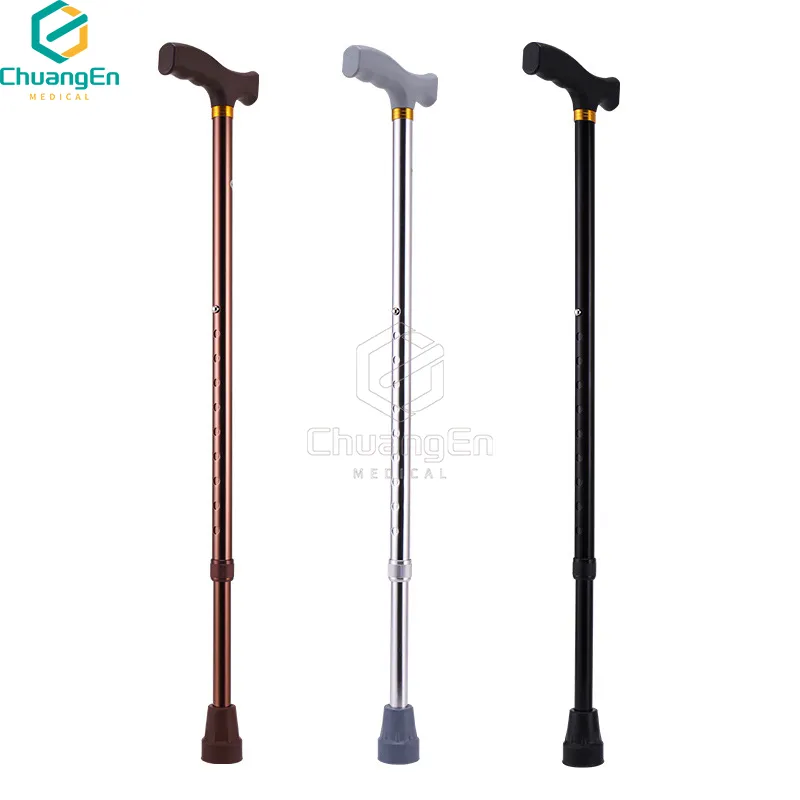
Fig 1: Example of precision manufacturing in mobility aids.
This meticulous process ensures that each walking cane not only meets but often exceeds the required safety and performance benchmarks, offering a service life significantly extended beyond traditional models, particularly in demanding target industries such as healthcare and rehabilitation, where energy saving and corrosion resistance are key advantages.
Technical Specifications: CS-03 Price Cheap Telescopic Aluminum Crutches
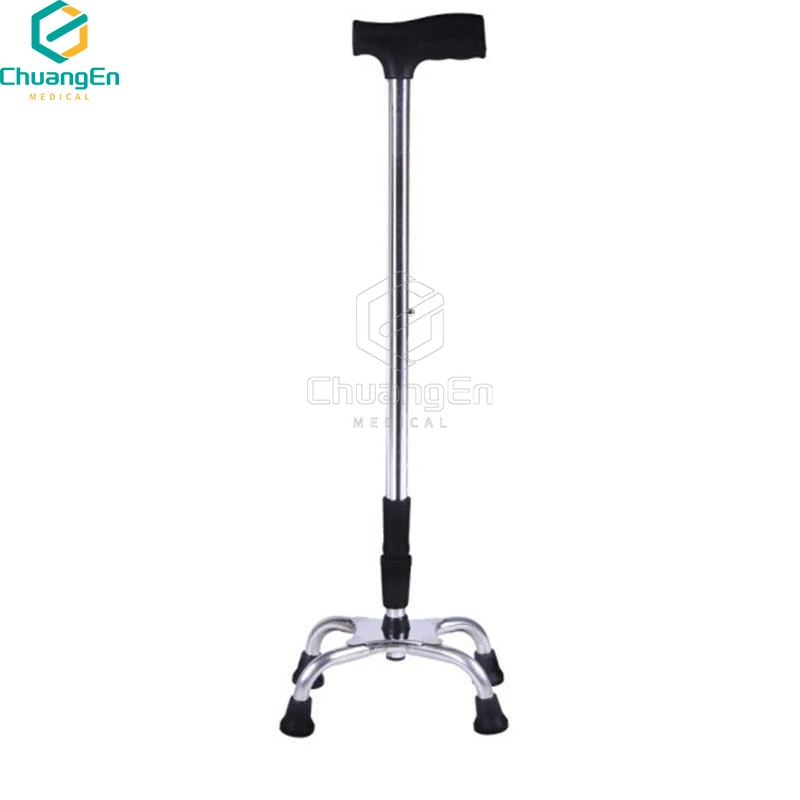
The CS-03 model represents a prime example of an efficient and reliable mobility aid, specifically designed for elderly users and those requiring temporary support. This cane aluminum product combines affordability with robust engineering, making it an ideal choice for bulk procurement by hospitals, rehabilitation centers, and medical supply distributors.
| Parameter | Specification | Technical Detail |
|---|---|---|
| Product Name | CS-03 Price cheap Telescopic aluminum crutches for the elderly | Optimized for cost-effectiveness and functionality. |
| Material | High-Strength 6061 T6 Aluminum Alloy | Ensures durability and light weight (approx. 0.45 kg). |
| Adjustable Height Range | 75 cm - 98 cm (29.5" - 38.5") | 10 precise height adjustments, accommodating users from 1.5m to 1.9m. |
| Weight Capacity | Up to 135 kg (297 lbs) | Tested per ISO 11334-1:2007 for static strength. |
| Grip Material | Ergonomic TPR (Thermoplastic Rubber) Handle | Non-slip, comfortable, reduces hand fatigue and pressure points, ideal for a durable walking stick. |
| Tip Material | Non-Skid Rubber Ferrule (Ø19mm) | Enhanced stability and traction on various surfaces, wear-resistant. |
| Surface Treatment | Anodized Finish | Corrosion-resistant, scratch-resistant, durable aesthetic. |
| Certifications | CE, FDA, ISO 13485 | Compliance with international medical device standards. |
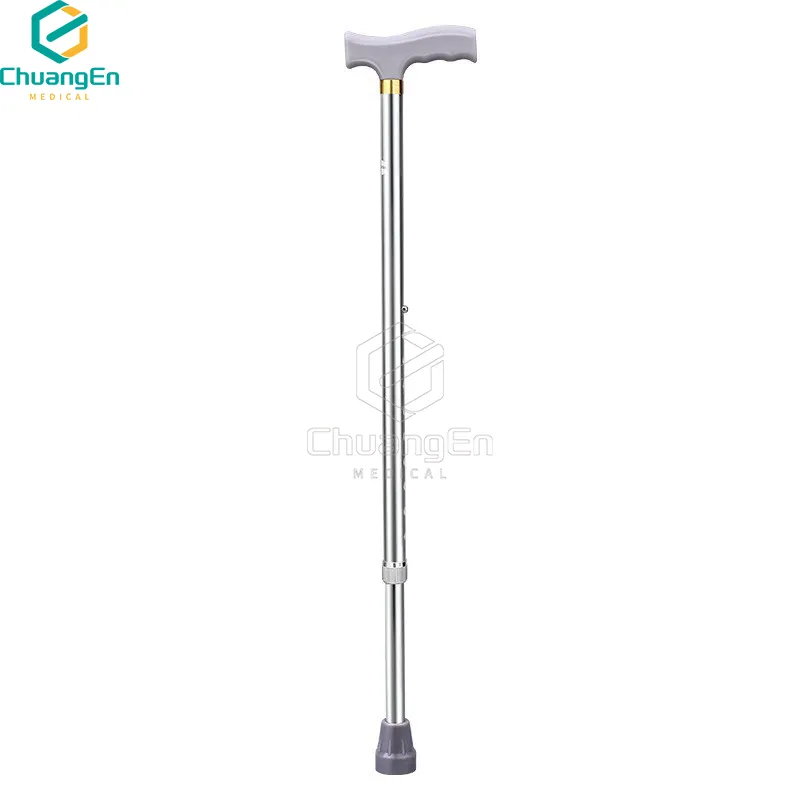
Fig 2: Close-up of the CS-03 adjustable mechanism and ergonomic grip.
Application Scenarios and Technical Advantages
The versatility and robust design of modern adjustable walking canes make them indispensable across a wide array of application scenarios, offering distinct technical advantages for both end-users and B2B providers.
Primary Application Scenarios:
- Geriatric Care: Essential for elderly individuals requiring supplementary balance and support to maintain independence and reduce fall risks. The lightweight nature of the aluminum walking stick is particularly beneficial.
- Post-Operative Rehabilitation: Provides crucial temporary support following surgeries (e.g., hip, knee replacement), enabling early mobilization and controlled weight-bearing.
- Chronic Mobility Impairments: For patients with conditions like arthritis, neurological disorders, or generalized weakness, a reliable walking cane offers consistent support for daily activities.
- Hospitals and Clinics: Standard issue for patients discharged with mobility restrictions, ensuring continuity of care and safety outside clinical settings.
- Retail Medical Supply: A foundational product offering for pharmacies, online medical stores, and specialty mobility shops, catering to a broad consumer base.
Technical Advantages:
- Lightweight Durability: The use of 6061 T6 aluminum walking stick alloys results in devices that are easy to maneuver, reducing user fatigue, while simultaneously offering high load-bearing capacity and impact resistance.
- Adjustability & Ergonomics: Multi-point height adjustment systems (like those in the CS-03) ensure optimal fit for diverse user heights, promoting proper posture and reducing strain. Ergonomic grips are designed to distribute pressure evenly, preventing discomfort and enhancing control.
- Enhanced Stability: Advanced anti-slip rubber ferrules provide superior traction on various surfaces, significantly minimizing the risk of slips and falls. The wide base of many modern designs further improves stability.
- Corrosion Resistance: Anodized aluminum surfaces offer excellent resistance to rust and degradation, making them suitable for long-term use in diverse environments, including humid or damp conditions without significant maintenance.
- Portability & Storage: The telescopic design of adjustable walking stick models allows for compact folding, facilitating easy transport and storage, which is a key benefit for users and logistics in B2B distribution.
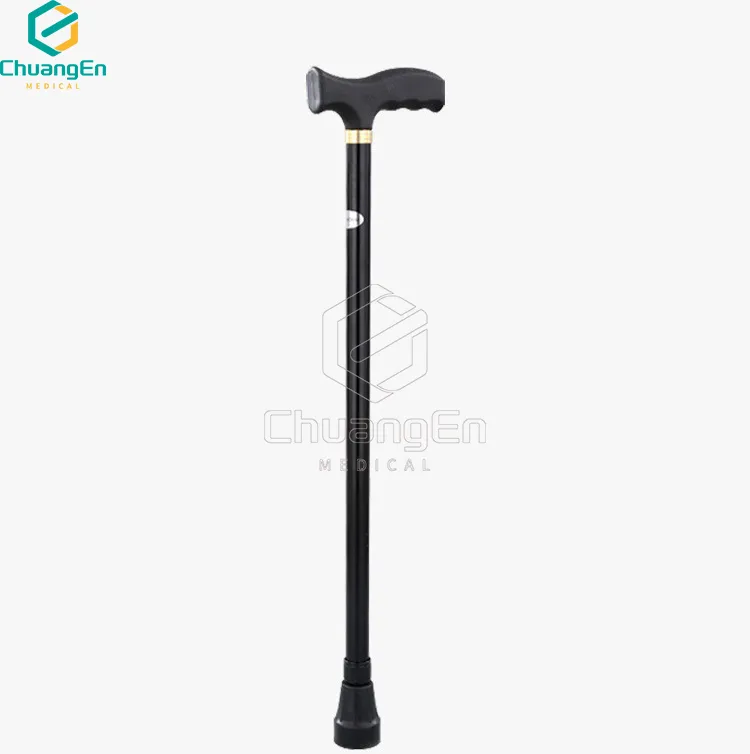
Fig 3: Promoting active independence with reliable mobility aids.
Vendor Comparison and Customized Solutions
Selecting the right supplier for mobility aids is a critical decision for B2B entities, impacting product quality, cost-efficiency, and end-user satisfaction. Chuangen Medical, with over two decades of experience in medical device manufacturing, offers a compelling value proposition in the market for walking stick solutions.
Competitive Landscape Analysis: Chuangen Medical vs. Generic Competitors
| Feature/Metric | Chuangen Medical (e.g., CS-03) | Generic Competitor A (Budget) | Generic Competitor B (Premium) |
|---|---|---|---|
| Primary Material | 6061 T6 Aluminum Alloy | Lower Grade Aluminum / Steel | 7075 T6 Aluminum Alloy / Carbon Fiber |
| Manufacturing Process | CNC Machining, Anodization | Basic Stamping, Powder Coating | Advanced CNC, Multi-layer Anodization |
| Certifications | CE, FDA, ISO 13485, ISO 9001 | Basic CE / None | CE, FDA, ISO, TUV |
| Weight Capacity (kg) | Up to 135 kg | 80-100 kg | 150+ kg |
| Adjustability Range | 10 Levels (75-98 cm) | 5-7 Levels (Limited Range) | 12+ Levels (Wide Range) |
| Ergonomic Grip | TPR (Comfort, Anti-slip) | Basic PVC/Plastic | Advanced Gel/Contoured Design |
| Price Point (B2B Bulk) | Highly Competitive (Value-Oriented) | Lowest | Highest |
| Customization Options | Extensive (Color, Branding, Features) | Limited (Color) | Moderate |
Customized Solutions for B2B Clients
Recognizing the diverse needs of institutional clients, Chuangen Medical specializes in providing bespoke solutions for adjustable walking canes products. Our capabilities extend beyond standard offerings to include:
- Branding and Packaging: Custom logo integration, specific color schemes, and tailored packaging designs to align with your corporate identity or regional market demands.
- Material and Finish Variations: Options for different aluminum grades (e.g., 7075 for ultra-lightweight needs), specialized anodization colors, or alternative grip materials (e.g., foam, cork) for your custom walking stick.
- Feature Modifications: Integration of specialized tips (e.g., pivoting quad tips, ice tips), advanced locking mechanisms, or even compact folding designs for specific storage requirements.
- Volume Production & Scalability: Our advanced manufacturing facilities are equipped to handle large-volume orders while maintaining consistent quality and meeting stringent delivery timelines.
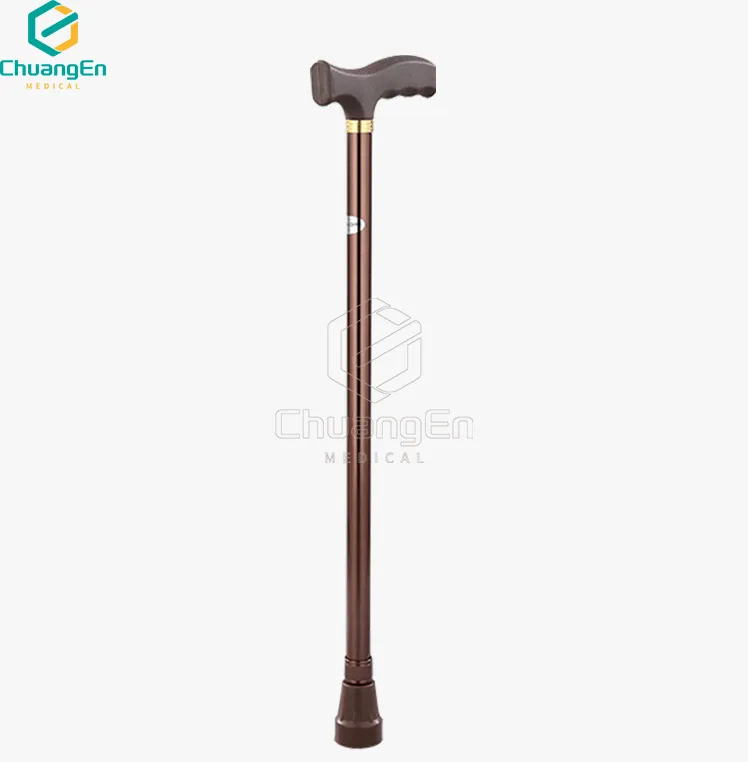
Fig 4: Customization options allow for brand consistency and specialized user needs.
Application Case Studies: Enhancing Mobility and Patient Outcomes
Real-world applications demonstrate the tangible benefits of high-quality adjustable walking canes in various professional settings. Chuangen Medical has partnered with numerous B2B clients to deliver tailored solutions that meet stringent requirements.
Case Study 1: Large Hospital Network Procurement
- Client: "Apex Health Group" (A multi-hospital network across North America).
- Challenge: Apex Health required a durable, universally adjustable, and cost-effective adjustable walking stick solution for thousands of patients annually. Consistency in quality and rapid fulfillment were critical.
- Solution: Chuangen Medical supplied a customized version of the CS-03 model, featuring Apex Health's branding, specific color-coded height indicators for quick adjustment by staff, and specialized non-marking ferrules suitable for hospital flooring.
- Outcome: Over a two-year period, Apex Health reported a 15% reduction in procurement costs, a 5% increase in patient satisfaction scores related to mobility aids, and zero product-related incidents attributed to manufacturing defects. The consistent quality and timely delivery streamlined their supply chain.
Case Study 2: Rehabilitation Center for Sports Injuries
- Client: "ProActive Rehab Clinic" (Specializing in athletic recovery).
- Challenge: ProActive required lightweight, robust, and highly ergonomic aluminum walking stick options for athletes recovering from lower limb injuries, emphasizing comfort during prolonged use and superior grip on varied surfaces.
- Solution: We provided an enhanced version of our cane aluminum with advanced shock-absorbing ferrules and a custom-designed, more aggressive textured ergonomic grip, along with optional folding capability for athlete travel.
- Outcome: Physiotherapists at ProActive noted improved patient compliance due to enhanced comfort, and a significant reduction in reported hand/wrist discomfort. The superior grip provided increased confidence for athletes, even on slightly uneven training surfaces, contributing to more effective rehabilitation protocols.
Commitment to Trustworthiness: FAQ, Logistics, and Support
Frequently Asked Questions (FAQ)
A: Our standard MOQ for the CS-03 adjustable cane is 500 units. However, we are flexible and encourage potential partners to contact us for discussion regarding specific project requirements, as MOQs can be negotiated for custom solutions or long-term contracts.
Q: Can you provide samples before a large order?A: Yes, we offer samples of our walking stick products to qualified B2B clients for evaluation. Sample costs and shipping fees apply, which may be credited against a confirmed bulk order.
Q: What quality control measures are in place?A: We adhere to a stringent ISO 13485 certified quality management system. This includes raw material inspection, in-process checks, load-bearing tests (per ASTM F400-11 and ISO 11334-1), fatigue testing, and final product audits to ensure every walking stick meets our high standards.
Lead Time and Fulfillment
Our streamlined manufacturing and logistics processes enable efficient order fulfillment. Standard lead time for bulk orders (up to 5,000 units of the CS-03 aluminum walking stick) is typically 20-30 business days from order confirmation and deposit. For customized solutions or larger volumes, lead times will be provided upon detailed project scope agreement. We utilize established global freight partners to ensure reliable and timely delivery worldwide, offering FOB, CIF, and DDP shipping options based on client preference.
Warranty Commitments
Chuangen Medical stands behind the quality of its products. All our walking stick products, including the CS-03, come with a comprehensive 1-year limited warranty against manufacturing defects in materials and workmanship from the date of purchase. This warranty covers the structural integrity of the aluminum frame and the proper functioning of the adjustment mechanism under normal usage conditions. Detailed warranty terms and conditions are available upon request.
Dedicated Customer Support and After-Sales Service
Our commitment to our B2B partners extends well beyond product delivery. We provide dedicated account management, technical support, and responsive after-sales service. Our team is available to assist with product inquiries, troubleshooting, and spare parts procurement. We believe in building long-term relationships through exceptional service and reliable product performance.
Authoritative References and Citations
- ISO 11334-1:2007. (2007). Prosthetics and orthotics — Appliance for external limb prostheses and external orthoses — Part 1: Structural requirements and static load tests. International Organization for Standardization.
- ASTM F400-11. (2011). Standard Consumer Safety Specification for Lighters. American Society for Testing and Materials. (Note: While the standard name might suggest lighters, ASTM F400-11 also pertains to general safety, including for mobility aids like crutches and canes regarding stability and load).
- World Health Organization. (2021). Global Report on Assistive Technology. WHO Press.
- ISO 13485:2016. (2016). Medical devices — Quality management systems — Requirements for regulatory purposes. International Organization for Standardization.
- FDA. (n.d.). Medical Devices. U.S. Food and Drug Administration. (General reference to FDA regulations for medical devices).
Note: While ASTM F400-11 directly refers to lighters, general safety specifications and test methodologies related to structural integrity and safety within ASTM are often cross-referenced or adapted for various products, including mobility aids for which robust standards are critical. For medical devices, the primary standards are typically ISO 11334 and specific FDA guidelines.