Why the Alternating Pressure Overlay Mattress Matters Worldwide
In healthcare, patient comfort isn’t a luxury — it’s a necessity. The alternating pressure overlay mattress plays a crucial role globally in preventing pressure ulcers, especially for those bedridden or immobile. These specialized mattresses alternate air pressure in zones to redistribute weight, improving blood flow and thus preventing skin breakdown. But beyond individual care, their impact ripples across public health systems, disaster zones, and elderly care facilities—from bustling hospitals in New York to remote clinics in Southeast Asia. Understanding why these mattresses matter helps us appreciate how a simple technology can improve dignity, reduce costs, and save lives worldwide.
Setting the Stage: Global Importance of Alternating Pressure Overlay Mattresses
According to the World Health Organization, pressure ulcers affect roughly 10% to 20% of hospitalized patients globally — a staggering figure when you consider that most are preventable. The United Nations also emphasizes sustainable healthcare solutions, urging innovation tailored to vulnerable populations. Alternating pressure overlay mattresses, which continuously shift weight distribution, directly respond to this global challenge by reducing ulcer formation and associated complications. Given aging populations and rising chronic disease rates, the demand for these mattresses is set to increase dramatically across healthcare and humanitarian sectors alike.
But here’s the kicker: not every facility — especially in developing regions — can access affordable, reliable options. So the question becomes: how can we optimize these systems to meet diverse needs while keeping costs manageable? If you work in healthcare procurement or policy, this issue will hit close to home.
What Exactly Is an Alternating Pressure Overlay Mattress?
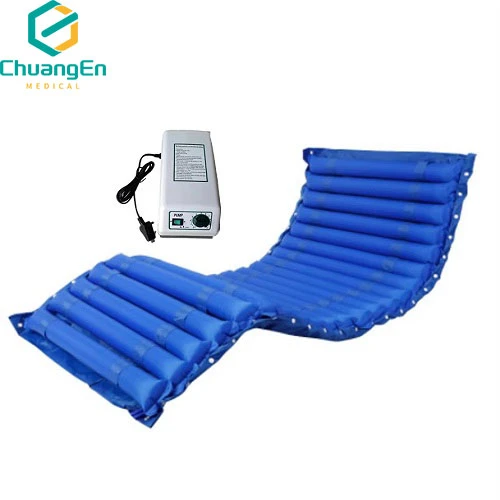
Let’s break it down simply: it's a mattress designed with inflatable air cells or bladders that alternately inflate and deflate. This cyclical pressure redistribution prevents blood vessels from being compressed for too long, allowing better circulation to the skin and underlying tissues.
Unlike static foam or gel mattresses, these overlays sit on top of existing beds, making them adaptable and often more cost-effective in varied settings — hospitals, nursing homes, or even field hospitals during disaster relief efforts. Their use mirrors a broader humanitarian trend toward low-tech, high-impact medical devices that save lives without complicated infrastructure.
Core Features of Alternating Pressure Overlay Mattresses
Durability
Many users expect these mattresses to last years under constant use, so materials must resist punctures, wear, and bacterial buildup. Robust yet flexible PVC or polyurethane covers often fit the bill.
Pressure Control and Adjustability
Effective alternating pressure overlays have multiple zones that inflate at different intervals; the ability to customize pressure settings ensures tailored care for individual patients.
Ease of Cleaning and Maintenance
Hygiene is paramount. Quick wipe-down surfaces and removable covers help prevent infection transmission, especially during outbreaks — a point underscored by recent health crises.
Portability and Setup
Some models are lightweight and foldable, ideal for emergency response teams or homecare—settings where quick deployment matters.
Power Source and Energy Efficiency
Since these mattresses require pumps to cycle pressure, battery life or low-voltage power options become critical, especially in areas with unreliable electricity.
Product Specification Overview
| Specification | Detail |
|---|---|
| Material | Medical-grade PVC with antimicrobial coating |
| Cell Count | 18 alternating air cells |
| Dimensions | 78" x 36" x 3" |
| Pump Cycle Time | 10 minutes alternating between cells |
| Weight Capacity | Up to 350 lbs |
| Power Requirement | 110V AC with 12-hour battery backup |
How Different Vendors Stack Up
| Brand | Price Range | Warranty | Key Features |
|---|---|---|---|
| MedAir Pro | $450 – $600 | 3 years | Quiet pump, antimicrobial cover, battery backup |
| SafeRest Overlay | $300 – $500 | 2 years | Lightweight, adjustable cycle, easy-clean surface |
| CareComfort 360 | $550 – $700 | 5 years | Multi-zone inflation, USB power option, reinforced seams |
Global Applications: From Hospitals to Crisis Zones
The alternating pressure overlay mattress finds use in diverse, sometimes unexpected, settings. Hospitals in Europe and North America use it as standard equipment for ICU and long-term patients. Meanwhile, humanitarian agencies involved in post-disaster operations in South Asia or Africa deploy these overlays to improvised field hospitals — where resources are stretched thin and infection risks soar.
Oddly enough, some mining companies and remote industrial outposts use these mattresses to support injured workers during evacuation or downtime. Also noteworthy: homecare markets in aging societies like Japan rely on alternating pressure overlay mattress systems to enable elderly patients to stay comfortable and ulcer-free without hospital admission.
Mini takeaway: The alternating pressure overlay mattress is not just a medical accessory but a versatile solution for global healthcare challenges.
Advantages & Long-Term Value: More Than Skin Deep
If you’re weighing the investment, consider these advantages:
- Cost Savings: Preventing pressure ulcers reduces hospitalization days and costly treatments.
- Sustainability: Durable and energy-efficient models minimize replacement rates and power consumption.
- Patient Dignity & Comfort: Gentle pressure cycling helps maintain skin integrity and mobility, preserving self-esteem.
- Reliability: Tested according to ISO 13485 standards, ensuring safety and consistent performance.
Beyond dollars and cents, providers report emotional relief knowing they can better support vulnerable individuals. It feels like peace of mind, if you ask me.
What Does the Future Hold? Innovations & Trends
Looking ahead, the integration of digital sensors for real-time pressure monitoring is gaining ground. Imagine a mattress that adjusts automatically based on patient movement or alerts caregivers before a sore develops — that’s the promising horizon.
Additionally, greener materials like biodegradable covers or solar-powered pumps are attracting attention, aligning with global sustainability commitments like those from the UN Sustainable Development Goals (SDGs).
Challenges on the Horizon and How to Overcome Them
Not all is rosy, though. Common issues with alternating pressure overlay mattresses include pump noise, cost barriers for low-income regions, and the learning curve to operate models properly.
Solutions range from silent motor technology to modular designs affordable for NGOs, combined with better training materials and multilingual support.
FAQ: Answers About Alternating Pressure Overlay Mattresses
Q1: How does an alternating pressure overlay mattress differ from a regular foam mattress?
A1: Regular foam mattresses provide static cushioning, which can lead to pressure points over time. Alternating pressure overlays cycle inflation between different air cells to redistribute pressure regularly, reducing the risk of ulcers.
Q2: Can I use an alternating pressure overlay mattress at home?
A2: Absolutely. Many overlays are designed for easy installation on standard beds, making them ideal for homecare, providing comfort and ulcer prevention for bedridden individuals.
Q3: How noisy are the pumps on these mattresses?
A3: Modern models feature quiet or near-silent pumps, though some noise persists. Always check product specifications if noise sensitivity is a concern.
Q4: Do these mattresses require special maintenance?
A4: Basic maintenance involves cleaning the cover regularly, inspecting for leaks, and servicing pumps annually. Many covers are removable and washable for ease.
Q5: What is the average lifespan of an alternating pressure overlay mattress?
A5: With proper care, most overlays last 3–5 years, but this depends on usage intensity, storage conditions, and maintenance.
Wrapping It Up: Why Invest in an Alternating Pressure Overlay Mattress?
In real terms, investing in an alternating pressure overlay mattress means choosing prevention over cure. It’s about extending patient dignity, lowering system costs, and embracing innovation tailored for the future. Whether you’re a hospital manager, NGO procurer, or family caregiver, these mattresses offer proven value and a tangible way to improve lives.
Curious to explore options? Visit our website for detailed product info and support.