What is an Alternating Pressure Overlay and Why It Matters Globally
In the world of healthcare and patient comfort, certain tools quietly yet critically enhance outcomes and quality of life. One such unsung hero is the alternating pressure overlay. If you haven’t heard about it before, it’s a mattress-like device that plays a surprisingly big role in preventing pressure ulcers in bedridden patients—something that matters on a global scale.
Why does it matter beyond hospital wards? Because pressure injuries aren’t just a clinical nuisance; they're a significant burden, both financially and ethically, worldwide. The World Health Organization estimates that millions worldwide suffer from pressure ulcers, and managing them can cost thousands per patient per year. Hence, understanding and deploying solutions like the alternating pressure overlay isn’t just a niche clinical detail — it’s a global healthcare necessity.
Global Context: Why the Need for Pressure Management Solutions is Growing
The global population is aging rapidly. According to the United Nations, by 2050, one in six people worldwide will be over the age of 65, a demographic shift that puts increasing pressure on healthcare systems to prevent complications related to immobility.
But it’s not just elderly care. Patients in intensive care units, individuals recovering from surgeries, and people with disabilities all benefit from devices that redistribute body weight. Pressure ulcers—often called bedsores—represent a major challenge here. They increase hospital stays, treatment costs, and patient suffering. For hospitals, caregivers, and humanitarian organizations, alternating pressure overlays are becoming a go-to intervention.
Oddly enough, the challenge isn’t just medical. It’s logistical and economical, too. In remote or under-resourced areas, fancy hospital beds are rare. Yet the need for preventing pressure ulcers remains. Simple, effective solutions that can be deployed quickly and maintained easily become game-changers.
Decoding the Alternating Pressure Overlay: What Is It Exactly?
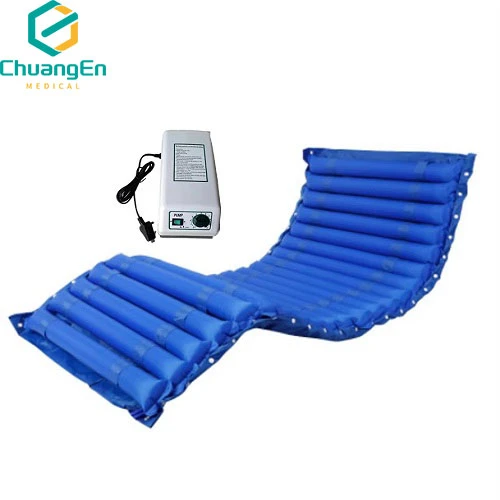
At its core, an alternating pressure overlay is a specialized mattress layer composed of interconnected air chambers or cells that inflate and deflate in cycles. This on-off pressure mechanism shifts the patient’s weight gently, minimizing the constant pressure that causes skin breakdown.
It’s closely related to alternating pressure mattresses but designed to be an overlay—meaning it sits atop a standard mattress. This makes it more flexible, portable, and cost-effective while still delivering substantial benefits.
In modern healthcare and humanitarian sectors, overlays are vital. From hospitals to long-term care facilities, and even field hospitals for disaster relief, they provide a simple but effective method to reduce pressure injuries without requiring complete bed replacements.
Core Attributes of Alternating Pressure Overlays
1. Durability & Material Quality
Most overlays are made from durable, medical-grade vinyl or polyurethane-coated fabrics that resist fluids, tears, and bacteria swell. I noticed that those with reinforced seams and thicker materials often last longer, especially in high-use clinical settings.
2. Pressure Redistribution Technology
The real magic is the alternating inflation cycle. Most devices have 2–4 zones that alternately inflate and deflate on 8-10 minute timers, constantly shifting pressure and improving blood flow.
3. Portability & Ease of Use
Because overlays work on top of existing mattresses, they’re lighter and more portable than full mattress systems. This makes deployment in temporary clinics or home care easier — no engineering feats needed.
4. Noise Levels & Patient Comfort
Many newer overlays operate quietly, a crucial factor for patient comfort. Oddly enough, noise from pumps is a common complaint that impacts compliance and sleep quality.
5. Power & Energy Requirements
The overlay’s pump generally requires a stable power source, but some models offer battery backup for brief outages—a must in remote or emergency deployments.
6. Cost Efficiency
Compared to full alternating pressure mattress systems, overlays offer a lower initial investment and maintenance costs—appealing for budget-conscious hospitals and NGOs alike.
| Feature | Specification | Notes |
|---|---|---|
| Dimensions | 80" x 36" x 3" | Fits standard medical beds |
| Weight Capacity | Up to 350 lbs | Suitable for most adults |
| Cycle Time | 8-10 minutes | Alternates inflation regularly |
| Power Supply | 110-240V AC, 12V DC optional | Varies by model |
| Noise Level | Quiet operation ideal for patient rooms |
Worldwide Uses and Practical Applications
How and where these overlays are used spans continents and sectors. Hospitals in North America and Europe widely use these overlays in ICUs and nursing homes.
Meanwhile, humanitarian organizations deploy alternating pressure overlay units in disaster zones and refugee camps, where patients face higher risks of immobility-related injuries but where infrastructure is scarce.
Oddly enough, some affluent home care situations also rely on such overlays to add therapeutic value without swapping out entire beds.
For example, during post-disaster relief in Southeast Asia after floods, mobile clinics rapidly set up alternating pressure overlay systems to prevent pressure ulcers among the injured, often bedridden patients. In remote industrial mining sites, medical teams use overlays to care for injured workers far from busy hospitals.
Vendor Comparison: Selected Alternating Pressure Overlays
| Vendor | Price Range | Noise Level (dB) | Weight Capacity (lbs) | Special Feature |
|---|---|---|---|---|
| ChuangEn Medical | $250 - $400 | 28 dB | 350 | Lightweight, durable, portable pump |
| MediRelief Co. | $300 - $450 | 30 dB | 400 | Automatic pressure adjustment |
| UltraCare Systems | $280 - $420 | 26 dB | 360 | Battery backup option |
Why Investing in an Alternating Pressure Overlay Pays Off Long-Term
Imagine the alternative: lengthy hospital stays due to stage 3 or 4 pressure ulcers that invite infection and complicated care plans. Alternating pressure overlays reduce these risks, directly saving money and patient pain.
Beyond dollars, consider the human dignity angle. Patients—especially the elderly or immobile—deserve comfort, safety, and respect. These overlays quietly support that.
Environmentally, many overlays these days use recyclable or low-VOC materials. Plus, their longevity reduces waste compared to disposable cushions or foam replacements.
Reliability is key too. Facilities often cite reduced skin breakdown rates and staff workload after deployment.
Looking Ahead: Innovations Shaping the Future of Pressure Overlay Technology
We’re seeing some exciting trends. Multi-zone and microadjustable overlays that tailor pressure relief by body region are emerging. Some products integrate sensors that alert caregivers if a malfunction occurs, or if a patient needs repositioning.
Green energy use is on the rise: solar-powered pumps or devices powered by energy harvesting tech can be real game changers in off-grid settings.
Add to that advances in antimicrobial fabrics and IoT integration for remote patient monitoring—it's a vivid reminder that even humble overlays are getting smarter, greener, and more responsive.
Challenges and Expert Solutions
Not everything is rosy. Some overlays struggle in very large patients, or situations with fluctuating power. Also, improper setup or pump failure can undermine effectiveness.
To combat this, experts recommend detailed user training and routine maintenance checks. Many vendors now offer remote diagnostics and quick-response support.
For facilities with unreliable power, models with battery backups or manual alternatives are vital. And, as you might guess, selecting a trusted vendor with quality control matters a lot.
FAQ: Common Questions About Alternating Pressure Overlays
- Q: How long does an alternating pressure overlay typically last?
A: With proper care, most overlays last between 3 to 5 years, depending on frequency of use, cleaning protocols, and material quality. - Q: Can these overlays be used on home beds?
A: Yes, they’re designed to fit standard bed sizes, making them suitable for home care settings where pressure management is needed. - Q: Are alternating pressure overlays noisy?
A: Modern units operate quietly, typically under 30 decibels, akin to a whisper, ensuring patient comfort isn’t compromised. - Q: Do they require special power sources?
A: Most use standard AC power, but some models offer DC options or battery backup to bridge outages or support mobile use.
Conclusion: Time to Shift Your Perspective on Patient Comfort
The alternating pressure overlay might not make headlines, but rest assured, it plays a critical part in patient care worldwide. Its blend of technology, practicality, and compassion fosters healthier outcomes, saved resources, and dignity for vulnerable populations.
If you’re exploring solutions for pressure injury prevention, take a closer look at alternating pressure overlays. Their proven reliability and evolving innovation make them a wise investment—from hospitals to humanitarian missions and home care.
Why wait to improve care comfort when this simple overlay could be the difference?