The Growing Importance of an Air Bed for Elderly Care
Imagine comfort and safety rolled into one — that’s precisely what an air bed for elderly aims to deliver. As populations age globally, the need for specialized bedding solutions isn’t just a luxury; it's becoming a necessity. These air beds are designed specifically to prevent bedsores, improve sleep quality, and ease mobility challenges faced by many elderly individuals.
Globally, as the United Nations reports, people aged 60 years or over numbered 1 billion in 2020, and this figure is projected to double by 2050. This demographic shift is pushing medical and care industries to innovate. Understanding air beds tailored for elderly use helps caregivers, healthcare facilities, and families make informed choices, directly impacting quality of life and medical outcomes.
Air Beds for Elderly: Why They Matter Worldwide
Around the world, eldercare faces its share of challenges, including mobility restrictions and skin integrity problems like pressure ulcers. According to the World Health Organization, pressure ulcers affect nearly 10% of patients in acute care and up to 27% in long-term care settings. An air bed for elderly helps mitigate these risks by offering adjustable support and pressure redistribution.
In lower-resource settings, the issue is even tougher. Facilities may lack proper equipment, forcing caregivers to find solutions that are cost-effective and reliable. That’s where innovations with air mattresses designed for elderly patients have enhanced mobility, comfort, and dignity across continents — think Asia’s aging populations or Europe’s healthcare systems adapting to change.
Defining an Air Bed for Elderly: A Simple Explanation
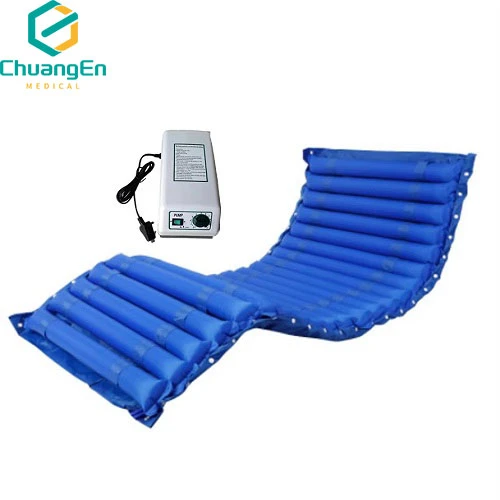
In essence, an air bed for elderly is a specialized mattress system using compressed air chambers designed to distribute weight evenly and reduce pressure points over long periods of rest. These beds often have automatic or manual inflation/deflation features and are constructed with durable, breathable materials to maintain skin health.
Unlike traditional mattresses, these air beds adapt dynamically, supporting vulnerable elderly skin against breakdown and offering caregivers easier repositioning options for comfort and care quality. Such products have become a staple in eldercare wards, hospice centers, and even homecare settings.
Core Features of Air Beds for Elderly Users
Pressure Redistribution
One of the bed’s main jobs is to evenly spread out the body’s weight, which helps prevent pressure ulcers — a major threat to bedridden elderly. Many models leverage alternating pressure systems that cyclically vary inflation to stimulate blood flow.
Durability and Material Quality
These beds must withstand constant use with materials that resist punctures and ensure hygiene through antimicrobial fabrics. Low air loss surfaces also help by reducing moisture buildup beneath patients.
Ease of Use and Caregiver Support
Controls for pressure settings, alarms for system faults, and compatibility with hospital beds make these air beds practical for healthcare professionals. The simpler the interface, the better in a busy environment.
Portability and Setup
Some air beds are lightweight and foldable, making them useful in homecare or temporary care locations. Quick installation, with minimal noise pumps, is often a deciding factor.
Cost Efficiency
Balancing cost and benefit is tricky — yet investments in quality air beds can reduce hospitalization time and costly wound treatments, saving money in the long run.
Mini Takeaway: Air beds designed for elderly care hinge not just on comfort but on advanced medical features and practical usability, merging engineering with empathy.
Product Specification Table: Typical Air Bed for Elderly
| Feature | Specification |
|---|---|
| Surface Type | Alternating pressure air cells |
| Weight Capacity | Up to 150 kg (330 lbs) |
| Pump Noise Level | |
| Control Interface | Digital with alarm alerts |
| Material | PVC-coated nylon, antimicrobial |
| Dimensions | 200 cm x 90 cm x 15 cm |
| Warranty | 2 years |
Where and How Air Beds for Elderly Are Changing Care
Globally, these beds have carved a niche — from high-tech hospitals in Germany to community clinics in Japan, the air bed for elderly has become something of a quiet revolution. In disaster zones or temporary care units, their portability and ease of care make a difference where traditional beds can’t be deployed.
In the U.S., skilled nursing facilities are increasingly adopting these mattresses to reduce patient rehospitalization rates. Meanwhile, in Scandinavian countries, integration with smart healthcare systems offers data on patient movement and mattress efficacy.
Comparing Top Vendors of Air Beds for Elderly
| Vendor | Product Model | Key Feature | Price Range | Warranty |
|---|---|---|---|---|
| ChuangEn Medical | EasyCare Air Mattress | Smart pressure adjustments | $450–$600 | 2 years |
| ComfortSleep Ltd. | PressureGuard 3000 | Alternating pressure cycles | $500–$650 | 1.5 years |
| MedAir Solutions | ElderCare Pro | Low noise pump | $480–$700 | 3 years |
Why Choose an Air Bed for Elderly? Advantages That Matter
- Improved Patient Comfort: Many elderly people suffer from arthritis or chronic pain, and properly designed air beds can reduce pressure in sensitive areas.
- Prevention of Bedsores: The alternating pressure helps keep skin healthy by enhancing blood circulation — a real game-changer in long-term care.
- Reduced Caregiver Strain: Easier repositioning means less physical effort and risk of injury for nursing staff or family members.
- Cost Savings: Preventing ulcers also means fewer treatments, hospital stays, and complications — cutting healthcare expenses in the long term.
- Dignity and Safety: Elder individuals feel more secure knowing their mattresses support their health needs without constant discomfort.
What’s Next? Emerging Trends in Elderly Air Beds
Innovation is continuous. We've started to see the integration of IoT (Internet of Things) where air beds collect data and alert caregivers to position changes or abnormal pressure patterns. On the materials side, sustainable, biodegradable liners and antimicrobial coatings are becoming standard, aligning with global ISO sustainability goals.
Automation is also making inroads, with smart mattresses adjusting automatically without caregiver input — a future where technology quietly cares alongside humans.
Overcoming Common Challenges in Air Bed Use
Of course, a few issues remain. Pumps can fail or get noisy, and power disruptions can reduce effectiveness. However, backup battery options and quieter mechanisms have significantly improved robustness. Training for caregivers isn’t always sufficient, so manufacturers are also focusing on intuitive digital controls and multilingual interfaces.
The challenge of affordability in developing nations prompts hybrids: simpler air beds combined with local upholstery skills to provide affordable yet effective solutions.
FAQ: Your Questions About Air Beds for Elderly
- Q1: How often should the pressure settings be adjusted on an air bed for elderly?
- A: Generally, alternating pressure mattresses automatically cycle about every 10 to 12 minutes, which is optimal for preventing pressure ulcers. Manual adjustments should be guided by patient comfort and medical advice.
- Q2: Can air beds be used for elderly people with incontinence?
- A: Yes, many air beds have waterproof and antimicrobial covers, making them suitable for patients with incontinence. Regular cleaning is recommended to maintain hygiene.
- Q3: What precautions should caregivers take when using these air beds?
- A: Caregivers should ensure the mattress pressure settings match patient needs, regularly inspect the mattress for leaks, and be trained on operation and maintenance, especially with digital controls.
- Q4: How portable are these air beds for elderly? Can they be used during travel or home care?
- A: Many models are designed to be lightweight and foldable. Portable pumps and compact designs mean they’re quite practical for home care or temporary care scenarios.
Wrapping Up: The Long-Term Promise of Air Beds for Elderly Care
To circle back, investing in a quality air bed for elderly isn’t just about comfort — it’s a tangible step toward enhancing health outcomes, reducing caregiver burdens, and preserving dignity for a vulnerable population. Especially as tech evolves, these beds are becoming smarter, greener, and more accessible worldwide.
Whether for hospitals, nursing homes, or personal care settings, the right air bed can make a profound difference. Curious? You might want to explore more at ChuangEn Medical’s website for insights and product options.