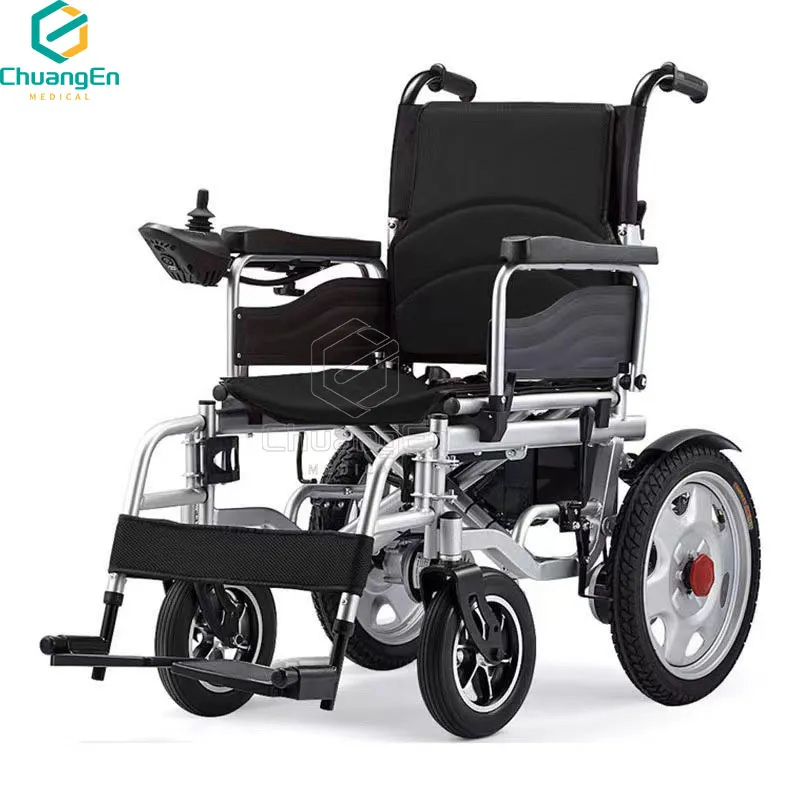
Lithium Batteries for Electric Wheelchairs: Why They’re the Future
Having spent over a decade in the industrial equipment and medical mobility sector, I’ve seen plenty of shifts — but the rise of lithium batteries for electric wheelchairs is genuinely one of the most exciting. It’s not just about going green (though that’s a big part), but practical improvements that impact users daily. The switch from lead-acid to lithium changes everything—from weight to durability to the peace of mind that comes with longer-lasting power.
Back when I started, one of the main gripes about electric wheelchairs was the bulky and heavy battery packs. Lead-acid batteries, while reliable, are heavy beasts. Most technicians I worked with would tell you the same thing: they felt like lugging around a small brick every time we replaced one. Frankly, it made maintenance more tedious and sometimes affected the chair’s handling.
Lithium batteries flipped that script. For starters, they weigh roughly 50% less, which might not sound like much at first but trust me, when you’re pushing or lifting a chair, that weight difference speaks volumes. Further, lithium tech offers a better energy density, meaning smaller batteries can hold more charge, letting users enjoy longer trips without worrying about their next recharge.
What impressed me the most in recent years is how much testing these batteries undergo. Safety used to be—well, a bit of a concern, especially with early lithium chemistries. But these days, reputable manufacturers put their cells through rigorous cycles-of-use, thermal controls, and impact tests. The result? A product that’s not just lighter and more efficient, but far safer.
Here’s a quick glance at the typical specs for a solid lithium battery designed for electric wheelchairs:
| Specification | Details |
|---|---|
| Type | LiFePO4 (Lithium Iron Phosphate) |
| Voltage | 24V or 36V (commonly used) |
| Capacity | 20Ah - 35Ah |
| Weight | Approx. 3.5 - 5.5 kg |
| Cycle Life | 2000+ full charge/discharge cycles |
| Charging Time | 4-6 hours (fast charging options available) |
Sounds technical — and it is! But the bottom line is, these batteries give users longer-lasting, lighter, and more dependable power sources in a fairly compact package. And given that many users rely on wheelchairs daily, sometimes for many hours, that reliability means everything.
I’ve noticed, too, that customization options have expanded. You can get batteries tailored to specific chair models or user preferences, like extended range or quicker recharge. Having worked alongside engineers and designers, I can say they’re quite serious about blending tech specs with real-world usability. If you ever get a chance to peek behind the scenes, it’s quite fascinating how they balance chemistry, electronics, and safety.
Of course, choosing the right supplier is key. Not all lithium batteries are created equal — here’s a comparison of some of the main options I’ve come across recently in this niche:
| Vendor | Cycle Life | Warranty | Safety Features | Price Range |
|---|---|---|---|---|
| ChuangEn Medical | 2500+ cycles | 3 years | BMS, Overcharge & Temp Control | $$$ (mid-range) |
| Vendor A | ~1800 cycles | 2 years | Basic BMS | $$ (budget) |
| Vendor B | 3000 cycles (premium) | 5 years | Advanced BMS, Fire-retardant casing | $$$$ (premium) |
I’ve worked with ChuangEn Medical products a fair bit, and they tend to hit that sweet spot with safety and price. One funny thing — a user once told me their chair felt “lighter than air” after switching batteries, and honestly, that sums up the difference in user experience nicely.
All in all, if you’re involved with electric wheelchairs — whether as a user, technician, or healthcare provider — lithium batteries are hard to overlook these days. They represent an intersection between proven tech and thoughtful design, and frankly, the quality of life improvements for end users are pretty inspiring.
A small takeaway? Never underestimate how much a lighter battery can change a day’s experience – in real terms, it’s about freedom on wheels.
References:
- Industry insights from years of field experience (2010-2024)
- Battery technical sheets from LiFePO4 manufacturers
- Customer testimonials and vendor product pages