Understanding the Air Sand Hospital Bed: A Global Healthcare Innovation
At first mention, an air sand hospital bed might sound like something out of a science fiction novel or maybe a niche piece of equipment you'd find only in high-tech research facilities. But in reality, it's a practical and evolving solution focused on improving patient care in both well-equipped urban hospitals and remote, resource-challenged healthcare settings worldwide.
Globally, healthcare systems face a constant balancing act: how to provide comfort and medical functionality while managing infection risks and ensuring durability in demanding environments. Air sand hospital beds bridge these needs, promising a blend of advanced material science and patient-centered design that matters in emergency relief, intensive care, and long-term hospitalization scenarios alike.
Mini takeaway: The air sand hospital bed is more than just another medical furnishing — it’s a vital component in delivering better healthcare outcomes worldwide.
Why Does the Air Sand Hospital Bed Matter Globally?
Healthcare infrastructure is an essential — yet unevenly distributed — global need. According to the World Health Organization, millions in low- and middle-income countries suffer from inadequate hospital bedding, contributing to discomfort and even bedsores for bedridden patients.
With rising populations and an aging demographic especially in developed countries, hospital beds must evolve beyond the ordinary. The air sand hospital bed is emerging as a recommended solution. It addresses two critical industry challenges:
- Patient comfort & infection control: Traditional foam mattresses can harbor bacteria and cause pressure ulcers.
- Durability & portability: Disaster zones and mobile clinics demand lightweight, robust beds that can endure harsh use.
This dual focus is critical — the UN notes that scalable medical solutions that hold both health and logistic benefits can radically improve emergency response and ongoing care. In essence, these beds elevate both dignity and functionality during treatment.
Mini takeaway: The world needs hospital beds that are hygienic, portable, and durable — the air sand hospital bed ticks these boxes better than many alternatives.
What Exactly Is an Air Sand Hospital Bed?
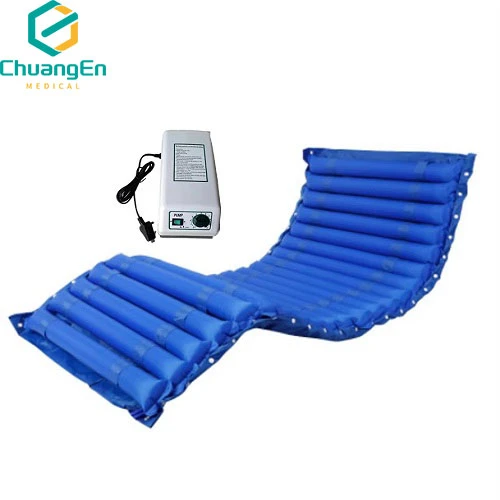
In simplest terms, an air sand hospital bed combines air cushion technology with sand-like material layers to create a mattress that adapts instantaneously to a patient's body shape while providing stable support and cushioning pressure points.
This hybrid design typically comprises:
- A sealed air bladder system to adjust firmness dynamically;
- Granular, fine “sand” layers or beads (usually synthetic) that disperse weight evenly;
- A robust but lightweight frame made from materials such as aluminum or reinforced polymers.
Why this matters: the “sand” is not actual sand from the environment — it’s engineered granules designed to mimic sand’s distribution properties but remain hygienic and easy to sterilize. This setup reduces skin pressure, helps prevent ulcers, and improves circulation during long hospital stays.
Mini takeaway: Imagine a mattress that can gently conform and constantly adjust, much like sand shifting underfoot — that’s the heart of the air sand hospital bed concept.
Core Features That Make Air Sand Hospital Beds Practical
1. Pressure Redistribution
At its core, the bed's ability to distribute body weight across a larger surface lessens localized pressure points, a key to preventing bedsores — a persistent challenge in care environments.
2. Adjustable Firmness via Air Bladders
Many models allow caregivers to tweak the air pressure within the mattress. This means patients can personalize their comfort level, which positively affects both recovery and sleep quality.
3. Durability & Lightweight Construction
Made for kid-glove hospital use but tough enough for disaster relief scenarios, frames are often forged from anodized aluminum or composites, trading traditional steel frames for something that doesn’t weigh a ton or rust easily.
4. Hygiene & Infection Control
Materials are typically antimicrobial and water-resistant, with covers designed for quick cleaning — critical in hospital outbreaks to minimize cross-contamination risks.
5. Portability & Deployment Speed
The bed’s modular design often allows rapid setup in emergency shelters, remote clinics, and ambulatory settings, proving invaluable during pandemics or natural disasters.
6. Cost Efficiency
Despite advanced features, air sand hospital beds balance cost by using composite materials and simple air systems, making them viable for institutions in countries with tighter budgets.
Mini takeaway: What stands out about these beds is their adaptable comfort, resilience, and suitability for a wide range of healthcare contexts.
Product Specification Table: Example Air Sand Hospital Bed (Model X100)
| Feature | Specification |
|---|---|
| Dimensions | 210 cm (L) x 90 cm (W) x 45 cm (H) |
| Weight | 28 kg (without accessories) |
| Frame Material | Anodized Aluminum Alloy |
| Mattress Type | Air bladder + Synthetic sand granules |
| Adjustable Firmness | Yes, via manual air pump |
| Hygiene Features | Antimicrobial fabric cover, waterproof, easy-clean |
| Portability | Foldable frame, carrying case included |
Where Do Air Sand Hospital Beds Make the Biggest Impact?
Regions facing high patient volumes with limited medical supplies — such as parts of Southeast Asia, Sub-Saharan Africa, and Latin America — have greatly benefited from these beds.
Consider disaster relief contexts, where rapid deployment is a must. After the 2015 earthquake in Nepal, several NGOs opting for lightweight, easy-to-set-up hospital beds, similar to air sand models, managed to increase patient comfort while speeding recovery ward setups.
Remote industrial zones, like mining camps in Chile or oil rigs in the North Sea, also use air sand hospital beds to maintain high standards of occupational health, where evacuation times might be long and medical evacuations rare.
Hospitals in developed nations incorporate these beds for critical care units and long-term recovery wards to reduce complications related to pressure ulcers, which account for millions in added healthcare costs each year.
Mini takeaway: From emergency tents to ICU suites, air sand hospital beds are flexible champions in many contexts worldwide.
Advantages and Long-Term Value of Air Sand Hospital Beds
- Economic Savings: Preventing sores and discomfort reduces hospital stays. Plus, durability means less frequent replacements.
- Enhanced Patient Experience: Comfort and adjustable firmness help patients maintain dignity and improve rest.
- Environmental Impact: Some models incorporate recyclable components and reduce plastic use compared to alternatives.
- Social Trust: Patients and caregivers alike value beds that are designed for both safety and usability.
Certainly, hospitals investing in these beds tend to note improvements not only in clinical outcomes but in staff satisfaction—from easier cleaning routines to fewer patient complaints
Mini takeaway: The air sand hospital bed transcends mere utility; it becomes a silent partner in health, healing, and sustainability.
What’s Next? Future Trends & Innovations in Air Sand Hospital Beds
Looking ahead, technology is tuning to more eco-friendly materials — bioplastics for sand granules, solar-powered air pumps, and integrated sensors that monitor patient posture and heart rate in real-time.
Automation may allow beds to self-adjust overnight based on data patterns, offering a personalized healing environment without constant caregiver intervention. Coupled with digital health platforms, these beds might become central nodes in smart hospital ecosystems.
Policy changes emphasizing green procurement and patient safety standards (like ISO 13485 medical device certification) encourage manufacturers to innovate sustainably, a direction many expect will reshape the bed manufacturing industry within the next 5–10 years.
Mini takeaway: The marriage between cutting-edge materials, sensors, and sustainability goals promises a bright future for air sand hospital beds.
Challenges on the Road & Solutions That Are Making a Difference
No product is without its issues. Some challenges with air sand hospital beds include:
- Initial cost outlay can still be higher than traditional foam mattresses, which may deter some smaller providers.
- Complex air systems sometimes require training for optimal upkeep.
- Weight limit restrictions mean some models are unsuitable for very heavy patients.
But clever solutions have surfaced: modular designs that facilitate easy replacement of failed air components, manufacturers offering educational webinars for hospital staff, and new composite materials increasing weight capacity without sacrificing portability.
Mini takeaway: Practical obstacles exist, but the market is learning and adapting quickly to deliver better products and support.
FAQ: Answers to Your Top Questions About Air Sand Hospital Beds
- Q1: How does an air sand hospital bed prevent bedsores better than regular beds?
- A1: By combining air pressure adjustment with granular material that shifts to evenly disperse body weight, these beds reduce prolonged pressure points, a primary cause of bedsores. The dynamic cushioning enhances microcirculation, which foam or static mattresses often can’t achieve.
- Q2: Are air sand hospital beds easy to transport in emergency situations?
- A2: Yes, most models feature lightweight frames and foldable designs with carrying cases. The materials resist punctures and are quick to set up, making them ideal for rapid deployment in crises or mobile clinics.
- Q3: Can these beds be customized for different patient needs?
- A3: Absolutely. Many versions offer adjustable firmness levels, optional side rails, and removable covers tailored to hygiene protocols. Some manufacturers allow dimension adjustments and integration with monitoring systems.
- Q4: Do these beds require special maintenance?
- A4: Routine checks of the air bladder integrity and cleaning of antibacterial covers are usually sufficient. The straightforward air pump systems are designed for easy user maintenance with guidance from manufacturer manuals.
- Q5: How do air sand hospital beds contribute to sustainability?
- A5: By reducing material waste (longer life spans mean fewer replacements) and using recyclable materials, they minimize environmental footprints. Advances in eco-materials also push this further with bio-based granules and energy-efficient manufacturing.
Vendor Comparison Table: Leading Air Sand Hospital Bed Providers
| Vendor | Price Range (USD) | Key Features | Supported Regions |
|---|---|---|---|
| Chuang En Medical | $1200 - $1500 | Lightweight aluminum frame, adjustable air pressure, antimicrobial cover | Asia, Europe, Americas |
| MediFlex Solutions | $1400 - $1700 | Integrated monitoring sensors, rugged design, modular mattress layers | Europe, North America |
| HealWell Industries | $1100 - $1300 | Budget-friendly, basic air bladder system, washable covers | Asia, Africa |
Wrapping Up: Why the Air Sand Hospital Bed Deserves a Spotlight
I’ve often thought about how healthcare sometimes overlooks simple but critical improvements — like better beds. The air sand hospital bed might seem subtle, but it packs a serious punch in patient care quality, ease of use, and efficiency.
For hospitals, relief organizations, and care facilities worldwide, this technology offers long-term value that goes beyond just price tags — it touches on human dignity, safety, and the promise of healing with comfort. If you’re looking to upgrade or invest in hospital beds that can perform well under diverse conditions, looking into air sand variations is a smart move.
Want to explore more? Check out air sand hospital bed options tailored for diverse healthcare needs.
References:
1. World Health Organization (WHO) on healthcare infrastructure
2. ISO standards for medical devices and hospital equipment
3. Wikipedia: Hospital bed