Understanding the Low Air Loss Therapy Bed: Why It Matters Globally
Low air loss therapy beds might sound like specialized hospital equipment, but their importance extends far beyond clinical walls. Globally, the demand for effective pressure-relieving support surfaces is growing rapidly — and for good reason. Whether in nursing homes, intensive care units, or humanitarian crisis zones, these beds help prevent and treat pressure ulcers (also known as bedsores), which remain a major concern worldwide. According to the World Health Organization, pressure ulcers affect up to 23% of hospital patients in some regions, creating significant healthcare costs and human suffering. Understanding low air loss therapy beds means appreciating a technology that blends patient comfort, clinical outcomes, and even cost efficiency.
In short: these beds play a vital role in improving patient quality of life and reducing extended hospital stays, which in turn alleviates pressure on global health systems. That’s why it’s worth diving deeper into what makes these beds tick.
Introduction: The Global Context for Low Air Loss Therapy Beds
The global population aged 60 and older is expected to nearly double between 2015 and 2050, reaching 2.1 billion (United Nations, 2019), which spells a surge in mobility challenges and chronic illnesses. Coupled with rising incidences of diabetes and vascular diseases, pressure ulcers constitute a silent but costly epidemic worldwide. Add to this the increasing number of bedridden patients due to complex surgeries and critical care, and the stakes of pressure ulcer prevention become clearer.
Now, low air loss therapy beds step in to address these challenges. Their design helps redistribute pressure and reduce moisture buildup, two critical factors in ulcer formation. Industries ranging from hospitals in developed nations to refugee camps in conflict zones find themselves relying on these beds to improve care quality. Oddly enough, while technology evolves, the problem it addresses remains as stubborn as ever.
What Exactly Is a Low Air Loss Therapy Bed?
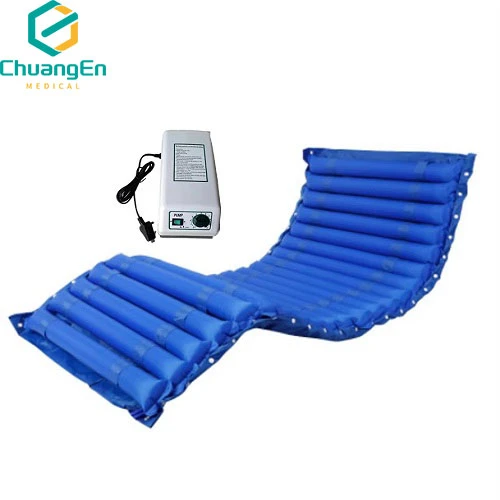
Put simply, a low air loss therapy bed is a medical bed that uses gently circulating air through a specialized mattress to reduce pressure points on the patient's skin. The mattress contains multiple air cells that deflate and inflate independently, continuously shifting the load to different parts of the body. This air movement also aids in controlling moisture by allowing heat and humidity to dissipate, which is crucial because damp skin breaks down faster.
In more practical terms, the bed acts like a constantly adjusting cushion for the skin and underlying tissues—slowing or even preventing pressure ulcer development. Its use is especially crucial in people who cannot reposition themselves regularly, including the elderly, spinal injury patients, and people with limited mobility.
Core Components and Key Factors
1. Pressure Redistribution Technology
This is the heart of any low air loss therapy bed. Advanced air-cell designs combined with alternating pressure reduce the risk of skin breakdown. Many models allow adjusting pressure levels to patient weight and medical condition, striking a balance between comfort and therapy.
2. Moisture and Heat Management
The low air loss function continuously ventilates the mattress surface. Excess heat and moisture—two big culprits in skin maceration—are drawn away, helping keep the skin dry and healthy.
3. Durability and Maintenance
These beds, often placed in demanding environments, are built to last with antimicrobial covers and robust pumps. Easy maintenance routines ensure long-term reliability while preventing infection risks.
4. User-Friendly Controls
Caregivers benefit from intuitive interfaces that allow changing settings quickly. Certain models integrate alarms or connectivity features for improved monitoring and safety.
5. Portability and Scalability
For humanitarian use, having beds that are easy to assemble, transport, or add to existing facilities makes a huge difference in disaster or humanitarian response.
Mini takeaway: When choosing or evaluating a low air loss therapy bed, consider how well it integrates these core factors, as they collectively affect patient outcomes and operational ease.
Global Applications and Real-World Use Cases
Hospitals in North America and Europe have widely adopted low air loss therapy beds as a preventive standard for high-risk patients. In Asia’s rapidly aging populations, such beds help ease caregiver burden.
Oddly enough, they also find vital roles in unexpected places: low air loss therapy beds have proven essential in post-disaster relief operations, such as after earthquakes or floods, where prolonged immobility of victims increases pressure ulcer risks.
Similarly, remote industrial zones, where medical facilities are sparse, use these beds to support wounded or bedridden workers temporarily, avoiding unnecessary medical evacuations.
Product Specification Table: Example Low Air Loss Therapy Bed Model
| Feature | Specification |
|---|---|
| Air Cells | 20 independently controlled cells |
| Weight Capacity | Up to 180 kg (400 lbs) |
| Pressure Settings | 5 adjustable pressure levels |
| Moisture Control | Continuous low air loss ventilation |
| Power Source | 110-240 V; battery back-up available |
| Dimensions | 210 cm x 90 cm mattress |
Advantages and Long-Term Value
- Cost Savings: By preventing pressure ulcers, hospitals save tens of thousands annually in treatment and extended care costs.
- Patient Safety and Dignity: The comfort and skin protection provided improve patient morale and reduce anxiety.
- Environmental Sustainability: Many models now use energy-efficient pumps and recyclable mattress components.
- Reliability: High-quality materials and design reduce failure rates in critical care moments.
Frankly, this combination of logical (cost, outcomes) and emotional (comfort, safety) benefits underpins widespread adoption across industries and geographies.
Vendor Comparison Table: Leading Low Air Loss Therapy Bed Providers
| Vendor | Price Range | Warranty | Key Features |
|---|---|---|---|
| ChuangEn Medical | $1,200 - $1,800 | 3 years | Low noise pump, antimicrobial cover, portable design |
| MedTech Solutions | $1,500 - $2,200 | 2 years | Smart pressure adjustment, app monitoring |
| HealthRest Innovations | $1,100 - $1,600 | 1 year | Lightweight frame, energy efficient pump |
Future Trends & Innovations
Looking ahead, low air loss therapy beds are poised for exciting enhancements. Integration with smart sensors will personalize pressure relief by detecting skin condition and automatically adapting air flow. Materials will shift towards biodegradable and antimicrobial composites, reducing infection risk and environmental footprint.
Further, combining these beds with remote patient monitoring systems addresses staffing shortages by providing real-time alerts to caregivers. Automation and AI-assisted therapy plans are not far off, making these systems not only therapeutic tools but also decision support platforms.
Challenges & Expert Solutions
Challenges do exist. Power reliability can be an issue in low-resource settings, and complexity in operation sometimes causes misuse. However, manufacturers now focus on battery backups and simpler user interfaces to mitigate these.
On the durability front, ongoing research tests more puncture-resistant materials, because oddly enough, mattress damage can lead to failures in pressure management. Training and widespread clinical guidelines also help reduce misuse and improve care outcomes.
Frequently Asked Questions About Low Air Loss Therapy Beds
- What differentiates a low air loss therapy bed from a regular hospital bed?
A low air loss therapy bed circulates air through a specialized mattress to reduce pressure and moisture, unlike a regular hospital bed which offers a static surface. This dynamic feature helps prevent and treat pressure ulcers effectively. - How often should the pressure settings on the bed be adjusted?
Pressure settings should be personalized based on patient weight and condition, generally reviewed daily or as per clinical protocols. Frequent adjustments ensure optimal therapy and comfort. - Can these beds be used outside hospitals?
Absolutely. They are commonly used in nursing homes, rehabilitation centers, home care, and emergency relief camps due to their portability and effectiveness. - Are there energy efficiency concerns?
Modern low air loss beds use energy-efficient pumps and often include standby modes to minimize electricity use, making them more sustainable than previous models. - What maintenance is required?
Routine cleaning of mattress covers and periodic pump system checks are needed. Many beds come with antimicrobial, wipeable covers that simplify maintenance and help infection control.
Conclusion: Why Invest in a Low Air Loss Therapy Bed Today?
The long-term benefits of low air loss therapy beds are compelling — from cutting healthcare costs to safeguarding patient dignity and comfort. With global aging trends and healthcare challenges, these beds will remain critical medical assets.
If you want to explore high-quality low air loss therapy bed options, consider visiting ChuangEn Medical’s website for their latest technologies, proven durability, and trusted customer support.
In real terms, this technology is more than just a bed — it’s a quiet partner in healing and prevention.
References: