Understanding the Low Air Loss Therapy Mattress: A Lifesaver in Pressure Ulcer Prevention
If you’ve ever spent time bedridden or cared for someone who has, you might know how crucial it is to avoid pressure sores. These pesky ulcers are not just painful but can lead to serious complications — infections, longer hospital stays, even mortality. That’s where the low air loss therapy mattress comes in. It’s a specialized medical device designed to alleviate pressure and improve patient comfort, especially for those who are immobile or recovering from surgery. Globally, as populations age and healthcare demands rise, understanding these mattresses and their benefits is more important than ever.
Introduction: Why Low Air Loss Therapy Mattresses Matter Worldwide
With nearly a tenth of the world’s population aged 60 or older — a figure expected to double by 2050 according to the United Nations — the need for advanced patient care solutions has surged. Pressure ulcers remain a persistent challenge in hospitals and long-term care facilities worldwide. This not only burdens healthcare systems financially but deeply affects patient quality of life.
According to WHO data, pressure injuries affect approximately 3 million adults annually in the US alone. That’s quite significant when you consider the growing strain on global health infrastructure. Enter the low air loss therapy mattress, an innovation that helps address this issue by improving airflow around the patient’s body and redistributing weight.
Defining the Low Air Loss Therapy Mattress
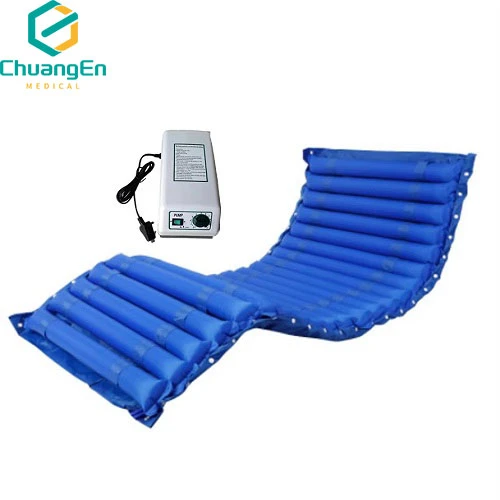
Simply put, a low air loss therapy mattress is a medical mattress filled with air compartments that gently inflate and deflate to reduce skin pressure. Unlike traditional mattresses, they’re designed to promote air circulation, keeping skin dry and less prone to breakdown.
These mattresses often find roles in hospitals and home care settings, bridging clinical need and patient comfort. They’re part of a broader movement in healthcare toward advanced wound prevention technologies — which frankly, seem more urgent as we face aging populations and chronic illness.
Core Components & Features of Low Air Loss Therapy Mattresses
1. Air-Flow Technology
The hallmark of these mattresses is the constant circulation of filtered air through interconnected cushions, which cools and dries the patient’s skin, mitigating moisture buildup that accelerates tissue damage.
2. Adjustable Pressure Settings
Comfort is key, and patients and clinicians can customize firmness levels to specific needs — whether someone is surgical, bariatric, or very frail.
3. Durable, Medical-Grade Materials
These mattresses are usually made from polyurethane-coated nylon or PVC, resistant to fluids and easy to clean — something that hospitals appreciate a lot for infection control.
4. Lightweight and Portable Design
Some models are surprisingly light, allowing quick deployment in emergency or home-care environments.
5. Integrated Safety Features
Many units include alarms for pressure drops or temperature issues, enhancing monitoring without complicated setups.
Mini Takeaway:
The fusion of airflow, pressure adjustment, and durable materials makes these mattresses a game-changer in preventative care — not just comfort padding.
Global Applications and Use Cases for Low Air Loss Therapy Mattresses
Hospitals in developed countries rely heavily on these mattresses for surgical recovery units, intensive care, and long-term care wards. Oddly enough, their use is also expanding in humanitarian contexts. For example, in post-disaster medical camps or refugee clinics, where pressure ulcer risk skyrockets due to constrained mobility and environmental challenges, these mattresses can provide critical relief.
Remote industrial zones with limited medical access also benefit from portable models, ensuring workers with injuries avoid further complications. Additionally, rehabilitation centers worldwide integrate low air loss therapy mattresses into therapy plans for spinal cord injury patients.
Advantages and Long-Term Value
- Cost-Efficiency: Preventing pressure ulcers means fewer surgeries, less antibiotic use, and shorter hospital stays. So, the mattress pays dividends beyond sticker price.
- Enhanced Patient Dignity & Safety: Patients stay cooler and more comfortable, which promotes better sleep and healing.
- Sustainability: High-quality materials extend mattress lifespan, reducing frequent replacements.
- Reliability: Modern units feature alarms and battery backups, useful during power outages (not uncommon in rural clinics).
Logic aside, there's an emotional component: healthcare providers report greater trust in patient satisfaction, and frankly, patients feel cared for — a subtle but vital factor in healing.
Product Spec Table: Typical Low Air Loss Therapy Mattress
| Feature | Specification |
|---|---|
| Dimensions | 80" x 36" x 8" |
| Weight Capacity | Up to 450 lbs |
| Material | Polyurethane-coated nylon |
| Power Source | Electric pump, 110-240V |
| Pressure Settings | Low, Medium, High, Auto |
| Alarm Features | Pressure and power failure alerts |
Vendor Comparison Table
| Brand | Price Range | Weight Capacity | Unique Feature |
|---|---|---|---|
| AirCare Pro | $1,200 - $1,500 | 450 lbs | Automatic pressure adjustment |
| MedFlow Lux | $1,000 - $1,300 | 400 lbs | Built-in battery backup |
| HealEase Ultra | $1,400 - $1,700 | 500 lbs | Moisture sensing technology |
Future Trends and Innovations in Low Air Loss Therapy Mattresses
The next frontier is smart mattresses. These use IoT sensors to monitor patient movement, skin condition, and even vital signs — relaying real-time data to caregivers. Imagine automatic alerts if a patient hasn’t shifted position for hours or if humidity thresholds are exceeded.
There’s also increasing interest in eco-friendly materials — biodegradable covers and energy-efficient pumps — which align with global healthcare sustainability goals (ISO 14001 standards, for example). The convergence of digital health and greener tech feels like a natural step forward.
Challenges and Practical Solutions
Despite obvious benefits, low air loss therapy mattress adoption isn’t without obstacles. Some healthcare facilities hesitate due to upfront cost or maintenance needs. Others wrestle with training staff on optimal use.
Experts recommend integrating mattress protocols into broader wound prevention strategies and investing in user-friendly designs that minimize complexity. Plus, leasing or rental options can ease financial constraints, making the technology more accessible.
FAQ: Common Questions About Low Air Loss Therapy Mattresses
- Q: How does the low air loss therapy mattress help prevent bedsores?
A: By continuously circulating air around the patient and redistributing pressure through alternating air cells, it reduces skin moisture and pressure points, lowering the risk of skin breakdown. - Q: Can these mattresses be used for home care?
A: Absolutely. Many portable models are designed for home environments, especially for patients with limited mobility needing long-term pressure management. - Q: How long does a low air loss therapy mattress typically last?
A: With proper maintenance, they often last 3 to 5 years, depending on frequency of use and patient weight. Many manufacturers provide warranties to guarantee reliability. - Q: Are these mattresses covered by insurance?
A: Coverage varies by country and insurance provider, but many healthcare plans do reimburse for medically necessary pressure-relieving mattresses under durable medical equipment provisions.
Conclusion
In real terms, the low air loss therapy mattress is much more than a medical tool; it’s a quiet guardian against the pain and complications of pressure ulcers. As healthcare systems worldwide grapple with aging populations and resource constraints, investing in such preventive technologies is smart — economically and morally. For anyone considering these options, whether a clinician or family member, it’s worth exploring the latest models and resources at Chuangen Medical. Because sometimes, comfort is the first step towards healing.
Mini Reflection: It’s fascinating how a seemingly simple technology can influence patient dignity and healthcare outcomes so profoundly — a reminder that innovation often hides in the details we take for granted.