Understanding the Low Air Mattress Bed: A Vital Solution in Modern Comfort and Care
When you first hear “low air mattress bed,” it might not immediately strike you as revolutionary, but these specialized beds have quietly transformed healthcare and humanitarian efforts around the world. Essentially, they’re optimized for pressure relief, comfort, and portability—key factors in both hospital wards and crisis zones. Given the increasing global focus on elder care, patient mobility, and emergency relief, understanding these beds matters far beyond the confines of specialist clinics.
So, what makes this seemingly simple product capture a global need? Well, chronic wounds like pressure ulcers affect nearly 10% of hospitalized patients globally — a staggering figure that low air mattress beds help to reduce (UN Health Reports, 2023). They also offer practical and psychological benefits, such as better sleep quality and dignity for bedridden patients or displaced individuals. Let’s unpack why this is such a significant topic.
Global Relevance of Low Air Mattress Beds
On a macro scale, the aging global population — expect 1 in 6 people to be over age 65 by 2050 (UN DESA) — means the demand for beds that prevent skin breakdown and ease caregiver burdens is soaring. Similarly, in disaster or conflict zones, the quick deployment of low air mattress beds can be a literal lifesaver, offering comfort where often only cold, hard surfaces exist.
WHO and international relief organizations increasingly consider them essential. Think of mass casualty events or long-term refugee camps — the difference between a low air mattress bed and a traditional bedroll can be the difference between recovery and further injury. Plus, from a healthcare system standpoint, reducing pressure injuries translates into substantial cost savings and improved patient outcomes.
What Is a Low Air Mattress Bed?
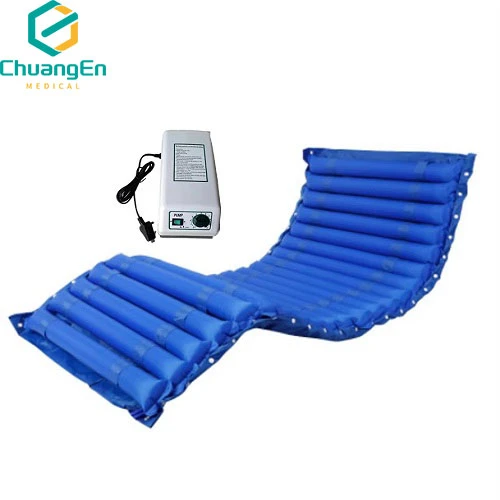
Simply put, a low air mattress bed is a mattress system composed of multiple interconnected air cells or chambers resting on a low-profile frame. These cells alternate inflation and deflation, redistributing pressure and preventing prolonged pressure on any one spot.
Unlike traditional foam or spring mattresses, these beds use air to adapt dynamically to a patient’s body, improving blood flow and skin integrity. In more technical terms, they’re often called pressure redistribution devices and represent a category of “support surfaces” in the medical field.
They're practically indispensable in modern hospital wards and rehabilitation centers but, oddly enough, also feature prominently in low air mattress bed solutions for humanitarian aid and even long-term home care.
Key Components of a Low Air Mattress Bed
1. Durability
These mattresses must withstand repeated inflation cycles and rough handling, especially when used in emergency deployments. Materials like TPU-coated nylon or medical-grade PVC are common, combining strength and air-tight seals.
2. Adjustable Air Pressure Control
Integral pumps and control units allow caregivers to tailor the firmness for individual needs — a critical factor for patient comfort and therapeutic impact.
3. Low-Profile Design
The “low” aspect means these mattresses sit close to the base, lowering fall risks and easing transfers for patients and caregivers alike. It contributes to safety without sacrificing effectiveness.
4. Infection Control
Removable, wipeable covers and airtight seams are designed to prevent microbial growth—vital in hospital and communal settings.
5. Scalability and Portability
Foldable designs and compact pumps make these mattresses suitable for field use, meaning disaster relief teams can deploy them swiftly.
| Specification | Typical Feature | Why It Matters |
|---|---|---|
| Material | TPU-coated Nylon | Durable, lightweight, and easy to clean |
| Pressure Cycles | 6-minute alternating inflation | Prevents pressure sores effectively |
| Weight Capacity | Up to 300 kg (660 lbs) | Supports a range of patients safely |
| Dimensions | 200 x 85 x 10 cm | Fits standard hospital bed frames |
| Power | Electric pump (110-240V) | Reliable pressure control everywhere |
Mini takeaway: The low air mattress bed’s thoughtful design components strike a delicate balance between patient care and practical deployment needs.
Global Applications & Real-World Use Cases
- Healthcare Facilities: Hospitals utilize these mattresses extensively to prevent pressure ulcers, which remain a persistent challenge globally. The UK’s NHS reports a 40% reduction in bedsore incidence after adopting such surfaces widely.
- Humanitarian Relief: In earthquake zones and refugee camps, quick-assembly low air mattress beds offer not only comfort but crucial skin protection amid tough conditions.
- Home Care: Aging in place calls for equipment that makes long-term bedridden care sustainable, boosting quality of life.
- Rehabilitation Centers: Patients recovering from surgery or neurological injury benefit from enhanced circulation with these air mattresses.
For example, Médecins Sans Frontières (Doctors Without Borders) often includes low air mattress beds in their emergency kits precisely because these beds lower complications in prolonged field hospital stays.
Advantages & Long-Term Value of Low Air Mattress Beds
Why do these devices really stand out? First, there’s a genuine cost saving: pressure ulcers add billions in healthcare costs worldwide annually (Wound Care Journal, 2023). Preventing them means fewer treatments, shorter hospital stays, and less pain for patients.
On a sustainability note, many manufacturers now produce mattresses using recyclable or low-toxicity materials, aligning with modern environmental policies. Emotionally, these mattresses contribute to patient dignity — it feels kinder when someone rests on a bed that adapts to their needs instead of a harsh static surface.
Vendor Comparison: Popular Low Air Mattress Beds
| Vendor | Price Range | Key Features | Target Usage |
|---|---|---|---|
| ChuangEn Medical | $400 - $600 | Durable TPU, low-profile, rapid setup | Hospitals, field relief |
| AirCare Solutions | $500 - $700 | Smart sensors, automatic pressure regulation | Advanced healthcare facilities |
| ComfortAir Beds | $350 - $550 | Lightweight, adjustable cycles, portable | Home care, mobile clinics |
Future Trends & Innovations
Manufacturers and researchers are pushing boundaries with smart low air mattress beds that integrate IoT tech to remotely monitor patient pressure points. There’s also movement towards eco-friendly materials and energy-efficient pumps to slice operational costs and carbon footprints.
Automation in pressure adjustments, when combined with AI, could further reduce caregiver intervention, which frankly, is a boon in understaffed facilities. Additionally, hybrid mattresses combining foam and air strive to marry comfort with cost-effectiveness.
Challenges & Expert Solutions
Of course, no product is perfect. Common challenges include pump noise, power dependency, and initial cost. However, expert engineers often emphasize modular designs—allowing parts replacement—and battery backups to tackle power outages. Training caregivers to maximize mattress benefits is also crucial to avoid misuse.
Innovative coatings to enhance durability and ultra-quiet pumps are now becoming standard. You might say the industry isn’t just coasting on past designs but actively innovating to overcome these hurdles.
FAQ: Common Questions About Low Air Mattress Beds
- How long does a low air mattress bed typically last?
- With proper usage and maintenance, these mattresses last 3 to 5 years on average. Durable materials and replaceable parts extend their service life significantly.
- Are low air mattress beds suitable for home use?
- Absolutely. Many models cater to home care with features like portability and easy controls, making them ideal for patients who need long-term pressure relief outside hospitals.
- Can these beds be used in disaster relief settings?
- Yes, their low weight, ease of setup, and effectiveness make them preferred in emergency situations. Organizations like the Red Cross use them often.
- Do low air mattress beds require special maintenance?
- Routine cleaning of surface covers and periodic pump checks suffice. Avoid sharp objects and follow manufacturer guidelines for best longevity.
Conclusion
Low air mattress beds, while perhaps not the flashiest medical innovation, quietly represent a crucial advance in patient comfort, dignity, and clinical outcomes worldwide. From hospital wards in bustling cities to remote field hospitals, they embody a practical, impactful technology addressing real human needs.
Curious to explore high-quality low air mattress beds? Visit our site at chuangenmedical.com for more insights and product details.
Mini takeaway: There's a whole world of comfort and care in the humble low air mattress bed, and its future looks both smart and sustainable.
References:
1. United Nations Department of Economic and Social Affairs – World Population Ageing Report (2019)
2. World Health Organization – Pressure Ulcers Fact Sheet
3. NIH – Pressure Ulcer Prevention and Air Mattress Efficacy (2019)