The Evolution and Strategic Importance of Electric Manual Wheelchairs in Modern Healthcare
The landscape of personal mobility devices is undergoing significant transformation, driven by advancements in material science, battery technology, and intelligent control systems. Among these innovations, the electric manual wheelchair stands out as a critical development, bridging the gap between traditional manual chairs and fully automated powerchairs. This category offers users the flexibility of self-propulsion when desired, coupled with the power assistance for extended distances or challenging terrains, thereby enhancing user independence and reducing caregiver burden.
The demand for sophisticated mobility solutions is consistently rising, fueled by an aging global population and an increasing prevalence of chronic conditions impacting mobility. Electric wheelchair manufacturers are innovating rapidly to meet diverse user needs, from compact, lightweight designs for urban environments to robust models for varied terrains. These devices are no longer merely assistive tools but integral components of independent living and rehabilitation protocols, significantly impacting quality of life across various demographics. Industry trends indicate a strong move towards modular designs, enhanced connectivity, and energy-efficient power systems, prioritizing both performance and user experience.
This article delves into the technical intricacies, application versatility, and market dynamics surrounding the modern electric manual wheelchair, providing B2B insights for distributors, healthcare providers, and rehabilitation specialists. We will explore manufacturing precision, operational advantages, customization potential, and real-world impact, ensuring a comprehensive understanding of this vital product category.
Precision Engineering: The Manufacturing Process of an Electric Manual Wheelchair
The production of a high-quality electric manual wheelchair is a meticulous process, demanding stringent quality control and advanced manufacturing techniques. Utilizing state-of-the-art materials and precision engineering ensures optimal performance, durability, and user safety.
Key Process Flow:
- Material Selection & Preparation: The CLD-10, for example, utilizes aerospace-grade aluminum alloy for its frame. This material is chosen for its exceptional strength-to-weight ratio, corrosion resistance, and ductility. Raw aluminum profiles undergo initial cutting and deburring.
- Frame Fabrication: This involves precision CNC machining for component shaping and high-strength welding (e.g., TIG welding) for frame assembly. Robotic welding ensures consistent joint integrity and aesthetic finish. Critical joints may undergo forging processes to enhance structural resilience.
- Surface Treatment: The aluminum frame undergoes a multi-stage surface treatment process, including anodization or powder coating. This provides superior corrosion resistance, scratch protection, and an aesthetically pleasing finish, extending the product's service life, particularly in environments susceptible to moisture or chemicals (e.g., medical facilities, outdoor use).
- Motor and Battery Integration: Brushless DC (BLDC) motors, known for their efficiency and longevity, are mounted. Lithium-ion or LiFePO4 battery packs, chosen for their energy density and cycle life, are securely integrated into the frame, often with quick-release mechanisms for charging or replacement. These components are sourced from reputable electric wheelchair suppliers who adhere to international safety standards.
- Control System Assembly: This includes the joystick controller, wiring harness, and sophisticated microcontroller unit (MCU) responsible for motor speed, direction, and safety functions. Each component is meticulously connected and tested for seamless operation and responsiveness.
- Wheel and Upholstery Installation: High-quality, puncture-resistant tires are fitted onto durable hubs. Seating and backrest components, often made from breathable, pressure-distributing fabrics, are installed. Ergonomics are paramount to ensure user comfort during extended use.
-
Rigorous Testing & Quality Assurance: Every unit undergoes comprehensive testing. This includes:
- Structural integrity tests (fatigue, static load).
- Electrical safety tests (insulation resistance, ground continuity, EMC/EMI compliance).
- Performance tests (speed, range, braking, climbing ability).
- Environmental tests (temperature, humidity).
- Final Inspection & Packaging: A final visual and functional inspection is conducted before protective packaging, preparing the product for shipment globally.
The target industries for these advanced mobility solutions are broad, including healthcare (hospitals, rehabilitation centers), elderly care facilities, home care services, and specialized applications where robust, reliable personal mobility is crucial. The advantages in typical application scenarios include enhanced energy saving due to efficient BLDC motors and lightweight aluminum frames, superior corrosion resistance for longevity, and reduced maintenance through durable components.
Technical Specifications and Performance Benchmarks
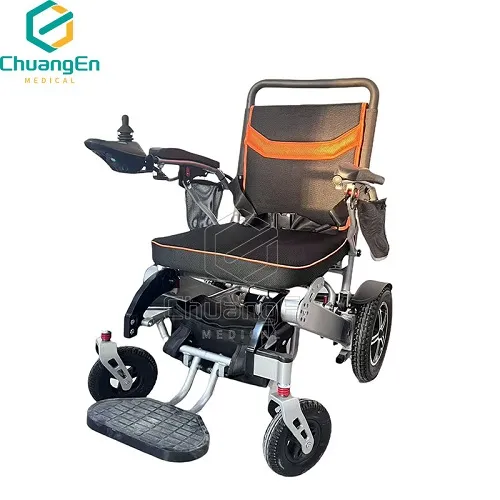
Understanding the core technical specifications is crucial for B2B decision-makers evaluating electric manual wheelchair products. These parameters dictate performance, suitability for specific users, and operational longevity. Below are illustrative parameters, using a product like the CLD-10 as an example, alongside a comparative analysis.
Product Specification: CLD-10 Economical Aluminum Alloy Foldable Electric Wheelchair
| Parameter | Specification (CLD-10) | Technical Rationale / Benefit |
|---|---|---|
| Frame Material | Aluminum Alloy | Lightweight (reduces total weight for transport), high strength, corrosion-resistant. |
| Motor Type | 2 x 250W Brushless DC (BLDC) | High efficiency, quiet operation, long lifespan, minimal maintenance compared to brushed motors. |
| Battery | 24V 6AH LiFePO4 (Lithium Iron Phosphate) | Long cycle life (2000+ cycles), safer chemistry, consistent power output, quick charge capability. |
| Max Speed | 6 km/h (3.7 mph) | Optimized for safety and maneuverability in varied indoor/outdoor environments. |
| Range | Up to 15-20 km (9-12 miles) | Sufficient for daily use, errands, and recreational outings without frequent recharging. |
| Weight Capacity | 120 kg (265 lbs) | Accommodates a broad user demographic, ensuring structural integrity. |
| Net Weight | 25 kg (55 lbs) with battery | Facilitates easy lifting, transport, and storage, enhancing portability. |
| Folding Dimensions | 80x60x30 cm | Compact footprint for vehicle trunks, airline travel, and tight storage spaces. |
| Controller | Intelligent Joystick Controller | Intuitive, responsive control, often with programmable settings and diagnostic display. |
| Braking System | Electromagnetic Brake | Automatic braking on incline/decline, fail-safe operation upon power loss, enhanced safety. |
Comparative Analysis of Electric Wheelchair Features
When evaluating different offerings from electric wheelchair manufacturers, a comparative perspective helps highlight value propositions and specialized features.
| Feature Category | Standard Electric Manual Wheelchair (e.g., CLD-10) | Advanced Electric Powerchair |
|---|---|---|
| Portability | High (Foldable, lighter aluminum frames, often air-travel approved batteries) | Low to Moderate (Heavier, bulkier, less convenient for transport) |
| Manual Override | Yes (User can push manually if desired or battery runs out) | Limited or None (Designed for powered operation only) |
| Terrain Capability | Moderate (Indoor, paved outdoor, light inclines) | High (Often features larger wheels, stronger motors, suspension for rougher terrain) |
| Specialized Seating | Standard ergonomic cushions, some basic adjustability | Advanced pressure relief, tilt, recline, elevating legrests, custom molded options |
| Price Point | Economical to Mid-range | Mid-range to High-end |
| Maintenance | Generally low, simple component replacement | Moderate, more complex electronics and mechanical parts |
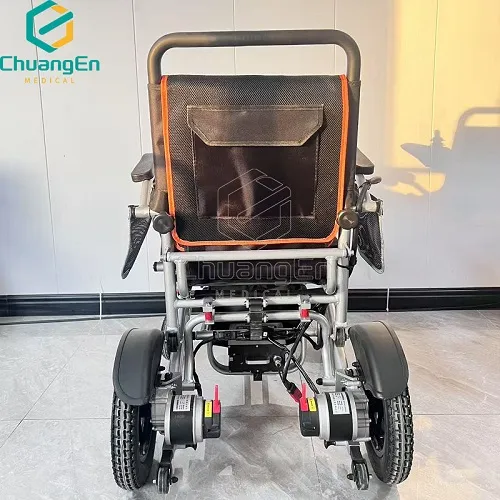
The CLD-10 exemplifies the balance of economy, functionality, and portability desired by many users and care providers. Its design prioritizes ease of use and maintenance while delivering reliable performance, making it a competitive offering from discerning electric wheelchair suppliers.
Versatile Application Scenarios and Distinct Technical Advantages
The utility of an electric manual wheelchair extends across a broad spectrum of application scenarios, from individual home use to large-scale institutional settings. Its dual functionality – manual and powered – offers unparalleled flexibility, distinguishing it from purely electric powerchairs.
Application Scenarios:
- Home Healthcare: For individuals with varying levels of mobility, an electric manual wheelchair provides independence within the home, allowing easy navigation of tight spaces and assistance with inclines or ramps. The manual option is invaluable for short distances or fine adjustments.
- Rehabilitation Centers: Integral to therapy, these chairs allow patients to build strength and endurance through manual propulsion, while having the electric assistance for recovery periods or longer excursions within the facility. They are often part of a progressive mobility training regimen.
- Elderly Care Facilities: Offering enhanced mobility for residents who may experience fluctuating energy levels. Caregivers benefit from the ease of pushing the chair manually when appropriate, and residents gain autonomy with the powered option.
- Travel & Tourism: The foldable design and relatively lightweight nature, exemplified by the CLD-10, make these wheelchairs ideal for travel. They can be easily stowed in vehicle trunks, and many battery configurations are compliant with airline regulations for cabin or cargo transport.
- Outdoor & Community Use: Capable of navigating public spaces, shopping centers, and parks with ease. The power assist overcomes uneven pavements or inclines that would be strenuous with a purely manual chair.
Technical Advantages:
- Hybrid Functionality: The core advantage is the seamless transition between manual and electric propulsion. This empowers users to conserve battery life, engage in physical activity, or rely on power when fatigue sets in, maximizing energy efficiency.
- Enhanced Portability: Many models feature lightweight aluminum frames and are designed for quick folding. This characteristic is paramount for users who need to frequently transport their chairs in personal vehicles, public transport, or during air travel.
- Intuitive Control Systems: Modern joystick controllers are highly responsive and user-friendly, allowing for precise maneuverability even in confined spaces. Advanced models may feature programmable speed settings and diagnostic displays.
- Safety Features: Electromagnetic braking systems provide automatic braking on slopes and immediate stopping upon joystick release, significantly enhancing user safety. Anti-tip wheels and robust frame designs further contribute to stability.
- Energy Efficiency: Utilizing high-efficiency brushless DC motors and advanced battery management systems, these wheelchairs offer impressive range while minimizing power consumption, reducing charging frequency and operational costs.
- Durability & Longevity: Constructed with aerospace-grade aluminum alloys and high-quality electronic components, these chairs are built to withstand rigorous daily use. Adherence to ISO standards ensures a long service life and consistent performance.
Vendor Comparison and Customized Solutions
When selecting an electric manual wheelchair for a B2B procurement, evaluating electric wheelchair manufacturers and electric wheelchair suppliers based on a comprehensive set of criteria is paramount. Beyond baseline technical specifications, considerations such as manufacturing consistency, quality certifications, customer support, and the ability to provide customized solutions play a critical role.
Key Criteria for Vendor Comparison:
- Certifications and Compliance: Verify adherence to international standards like ISO 13485 (Medical Devices), FDA registration, CE marking, and ANSI/RESNA standards. These indicate a commitment to quality and safety.
- Material Quality and Construction: Assess the grade of aluminum alloy, motor type (e.g., BLDC for efficiency), battery chemistry (e.g., LiFePO4 for safety and longevity), and overall build quality.
- Warranty and Service Network: A robust warranty on frame, motors, and battery, coupled with an accessible service network, ensures long-term operational peace of mind and minimizes downtime.
- Customization Capabilities: The ability to tailor specific features, such as seat dimensions, joystick mounting, accessory integration, or battery capacity, can be a significant differentiator for diverse patient populations.
- Logistics and Lead Time: Evaluate the supplier's capacity to manage global logistics, ensure timely delivery, and maintain consistent stock levels for bulk orders.
- Customer Feedback and Reputation: Review case studies, testimonials, and industry standing to gauge reliability and customer satisfaction.
Customized Solutions: Tailoring the Electric Manual Wheelchair
Recognizing that no two users are alike, leading electric wheelchair manufacturers offer various customization options to optimize the fit and function of their products. This is especially vital for healthcare providers seeking to equip facilities with devices that cater to a wide range of patient needs.
- Seating and Upholstery: Options for varying seat widths, depths, and backrest heights, as well as specialized pressure-relief cushions or breathable fabrics, are common.
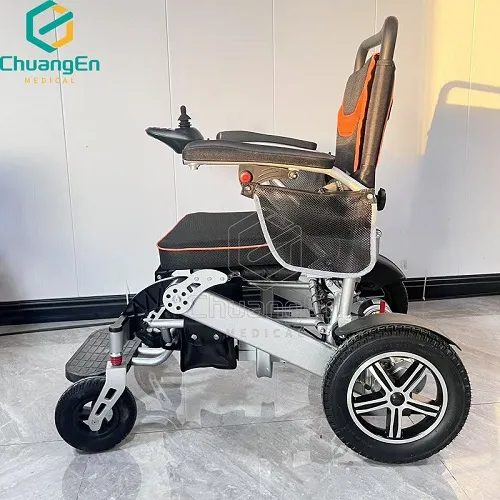
- Control System Placement: Joystick controllers can be mounted on either the left or right armrest, or even adapted for alternative control inputs for users with specific dexterity limitations.
- Accessory Integration: Provisions for attaching medical equipment (e.g., IV poles, oxygen tank holders), cup holders, smartphone mounts, or specialized trays.
- Battery Capacity: While standard batteries offer excellent range, some suppliers may offer extended range options for users requiring longer distances between charges.
- Tire Options: Different tire types (e.g., solid, pneumatic, off-road) can be specified based on the primary terrain the wheelchair will traverse.
- Color and Branding: For large institutional orders, branding options or specific color schemes might be available to match facility aesthetics.
The ability to provide these tailored solutions underscores a manufacturer's commitment to user-centric design and positions them as a strategic partner for B2B clients.
Application Case Studies and Customer Trust
Real-world application validates the claims of technical superiority and user benefit. The following case studies illustrate the impact of a well-designed electric manual wheelchair in diverse settings.
Case Study 1: Enhancing Mobility in a Large Rehabilitation Hospital
A leading rehabilitation hospital in New York sought to upgrade its fleet of mobility devices. Their primary challenges were ensuring patient independence during therapy, reducing staff burden for transfers, and accommodating patients with varying recovery stages. After a thorough evaluation of electric wheelchair suppliers, they procured 50 units of a model similar to the CLD-10. The lightweight, foldable design significantly eased transportation between therapy rooms and patient wards. The dual manual/electric mode allowed therapists to encourage active propulsion while providing powered assistance for longer distances within the large facility. Post-implementation data showed a 30% increase in patient self-initiated mobility within designated areas and a 15% reduction in direct staff assistance for short-distance patient transport, leading to improved resource allocation and patient satisfaction scores.
Case Study 2: Empowering Independent Living for a Community-Based Care Provider
A non-profit organization providing in-home care services across rural communities faced logistical challenges with traditional powerchairs – they were often too heavy and cumbersome for transport in caregivers' personal vehicles. They adopted a fleet of portable electric manual wheelchair models for clients requiring assistance with daily outings. The compact folding mechanism and lighter weight allowed caregivers to easily load and unload the chairs, expanding the range of activities clients could participate in, from medical appointments to social gatherings. Customer feedback highlighted the enhanced sense of freedom and reduction in social isolation for clients, directly attributable to the ease of transport and reliable performance of the electric manual chairs.
Case Study 3: International Distributor Success with the CLD-10
A prominent medical equipment distributor in Europe partnered with an electric wheelchair manufacturer specializing in economical, high-quality models. The CLD-10 became a flagship product due to its balance of price, performance, and compliance with EU medical device regulations. The distributor reported a 40% year-over-year growth in the compact electric wheelchair segment, largely driven by the CLD-10's popularity. They attributed this success to the product's robust aluminum alloy construction, reliable LiFePO4 battery, and straightforward maintenance, which minimized after-sales service calls and fostered strong customer loyalty among healthcare facilities and individual end-users alike.
Ensuring Trust: FAQ, Lead Time, Warranty, and Support
Frequently Asked Questions (FAQ):
- Q: What is the expected battery life and charging time for a typical electric manual wheelchair?
- A: For models like the CLD-10 with a LiFePO4 battery, you can expect 15-20 km (9-12 miles) per charge. A full charge typically takes 6-8 hours, though some fast-charging options exist.
- Q: Can these wheelchairs be easily transported in a standard car?
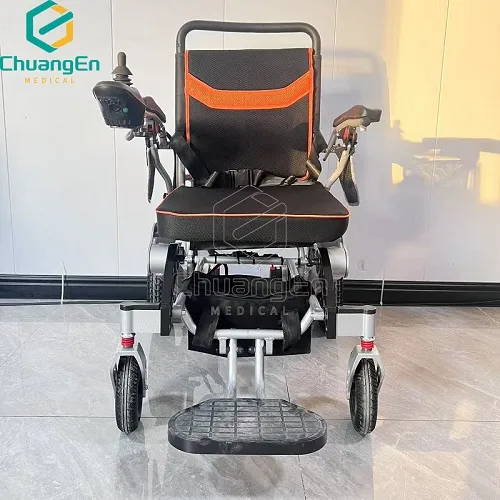
- A: Yes, many models, especially those with aluminum alloy frames, are designed to be lightweight and foldable. The CLD-10, for instance, folds compactly for easy storage in most car trunks.
- Q: Are the batteries flight-safe?
- A: Most LiFePO4 batteries under 300 Wh (Watt-hours) are generally approved for air travel, but it's crucial to confirm specific airline policies and carry necessary documentation. The CLD-10's 24V 6AH (144Wh) battery is typically air-travel friendly.
- Q: What kind of maintenance is required?
- A: Routine maintenance includes keeping tires properly inflated, cleaning the frame, and ensuring all electrical connections are secure. Motors are generally maintenance-free. Annual professional inspection is recommended.
Lead Time and Fulfillment:
As a professional electric wheelchair manufacturer and supplier, we understand the importance of timely delivery. Standard lead times for common models typically range from 2-4 weeks for orders up to 100 units, depending on current stock levels and customization requirements. For larger, project-based procurements, detailed production and logistics schedules are provided, often ranging from 6-12 weeks. Expedited shipping options are available upon request to meet urgent demands. Our global logistics network ensures efficient and reliable delivery to your specified destination, adhering to international shipping regulations and customs procedures.
Warranty Commitments:
We stand behind the quality of our electric manual wheelchair products. Our warranty typically includes:
- Frame: 5-year limited warranty against manufacturing defects.
- Motors: 2-year limited warranty.
- Battery & Controller: 1-year limited warranty.
- Wearable Parts: (Tires, cushions, etc.) 6-month limited warranty.
Customer Support Information:
Our dedicated customer support team is available to assist B2B clients with technical queries, troubleshooting, spare parts ordering, and warranty claims. We provide multi-channel support via phone, email, and a dedicated online portal. For large institutional clients, we offer personalized account management and onsite technical training where feasible. Our goal is to ensure seamless integration and optimal performance of our electric manual wheelchair fleet throughout its operational lifespan.
Conclusion
The modern electric manual wheelchair represents a significant advancement in assistive mobility technology. Its hybrid functionality, combined with lightweight, durable construction and sophisticated control systems, makes it an indispensable tool for enhancing user independence and supporting comprehensive care protocols. For B2B stakeholders, understanding the nuances of manufacturing quality, technical specifications, and vendor capabilities is critical to making informed procurement decisions that translate into long-term value and improved patient outcomes. As electric wheelchair manufacturers continue to innovate, these devices will play an even more central role in global healthcare and personal mobility. Choosing a reputable supplier, committed to international standards and offering robust support, ensures that investment in an electric manual wheelchair yields optimal returns in both functionality and reliability.
Authoritative References:
- International Organization for Standardization (ISO). ISO 13485:2016 Medical devices – Quality management systems – Requirements for regulatory purposes.
- Rehabilitation Engineering and Assistive Technology Society of North America (RESNA). ANSI/RESNA WC-2: Section 1-19, American National Standards for Wheelchairs.
- U.S. Food and Drug Administration (FDA). Medical Devices. (Accessed from fda.gov)
- Lithium-ion Battery Research and Development. Journal of Energy Storage, Elsevier. (General reference for battery technology)
- Journal of Rehabilitation Research and Development. Department of Veterans Affairs. (General reference for mobility research and device effectiveness)